








What's Happening?
A recent scientific review published in Frontiers in Nutrition suggests that higher protein intake may be crucial for maintaining strength, mobility, and independence as people age. The study, titled 'Beyond the Bare Minimum,' argues that current protein recommendations
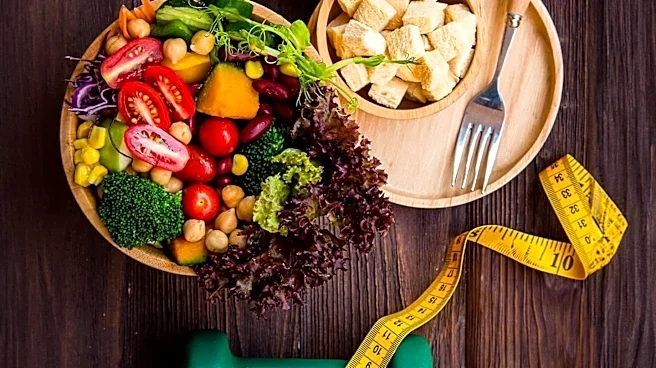
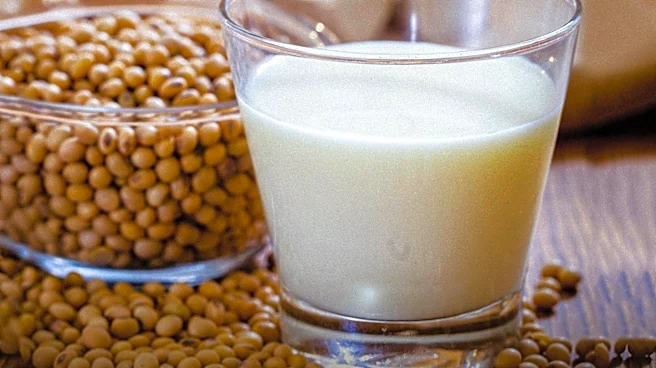
are insufficient for maximizing long-term health and quality of life. Dr. Chris Macdonald, one of the authors, emphasizes that high-protein diets, often associated with bodybuilding, can benefit the general population by extending lifespan and healthspan. The review highlights the importance of spreading protein intake throughout the day and pairing it with regular strength training to support muscle health. The study provides practical tips for increasing protein consumption, such as starting the day with a protein-rich breakfast and including protein in every meal.
Why It's Important?
This research challenges existing dietary guidelines and underscores the potential benefits of higher protein intake for aging populations. As the U.S. population ages, maintaining health and independence becomes increasingly important, both for individuals and the healthcare system. By advocating for increased protein consumption, the study could influence public health policies and dietary recommendations, potentially leading to improved health outcomes for older adults. The emphasis on strength training alongside protein intake also highlights the role of exercise in healthy aging, encouraging a more holistic approach to maintaining physical health. This could lead to greater awareness and adoption of lifestyle changes that promote longevity and quality of life.