







What's Happening?
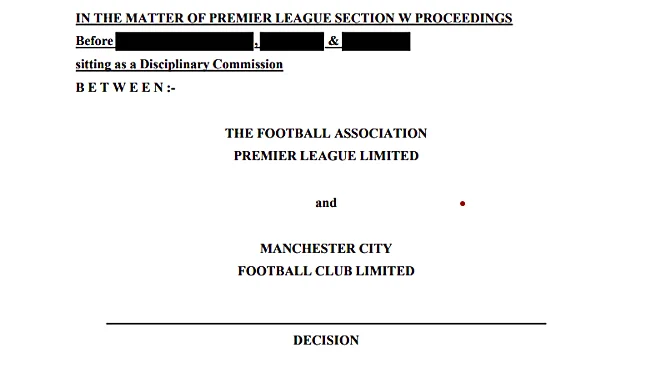
Jesse Marsch, the former manager of Leeds United and current coach of the Canadian national team, has strongly advocated for Manchester City to be relegated from the Premier League. This call comes in response to ongoing allegations that Manchester City engaged
in financial irregularities between 2009 and 2018, specifically by using 'fictitious' contracts to inflate revenues and reduce costs. Marsch stated that 'everyone knew' about these practices. Manchester City is currently appealing a decision regarding these accusations, and if the appeal is rejected, the club could face unprecedented sanctions, including the potential stripping of Premier League titles won during the period in question or even expulsion from the league. Marsch highlighted that his former club, Leeds, which was relegated, operated under strict financial constraints, contrasting it with Manchester City's spending, which he described as a 'joke.' He also expressed skepticism about the reported transfer fee for Erling Haaland, despite the player having a release clause.
Why It's Important?
This situation carries significant implications for the integrity and competitive balance of U.S. sports, particularly as American ownership continues to expand its presence in European football. The potential relegation of a major club like Manchester City, or the stripping of its titles, would set a powerful precedent regarding financial fair play and accountability across global sports leagues. For U.S. investors and sports organizations, it underscores the risks and regulatory complexities involved in international sports ownership. It also highlights the ongoing debate about financial transparency and equitable competition, which resonates with discussions in U.S. professional sports regarding salary caps and revenue sharing. The outcome could influence how U.S. entities approach investments in leagues where financial oversight is under intense scrutiny, potentially leading to increased demands for stricter enforcement of financial regulations to ensure a level playing field.
What's Next?
Manchester City has lodged an appeal against the decision regarding its alleged financial breaches. The final ruling on these potential sanctions could have profound and lasting consequences for the club and the historical records of the Premier League. If the appeal is unsuccessful, the club could face severe penalties, including the forfeiture of titles or even relegation, which would reshape the league's landscape for years. The ongoing legal process will determine the extent of any punishment, and the football world, including U.S. sports analysts and investors, will be closely watching the outcome. This case could prompt further discussions and potential reforms in financial regulations across various international sports leagues, influencing future investment strategies and governance models.
Beyond the Headlines
The controversy surrounding Manchester City extends beyond mere financial penalties, touching upon deeper ethical and cultural dimensions within professional sports. Marsch's assertion that 'everyone knew' about the alleged irregularities suggests a systemic issue of tacit acceptance or turning a blind eye to rule-bending, raising questions about the moral fabric of elite football. This situation could trigger a broader re-evaluation of how financial fair play rules are enforced and perceived, potentially leading to a cultural shift towards greater transparency and accountability. For U.S. sports, which often grapple with their own financial controversies and competitive integrity issues, this case serves as a stark reminder of the challenges in maintaining fairness in high-stakes environments. It could also influence fan perceptions globally, potentially eroding trust in the legitimacy of past achievements and the fairness of future competitions.