
What's Happening?
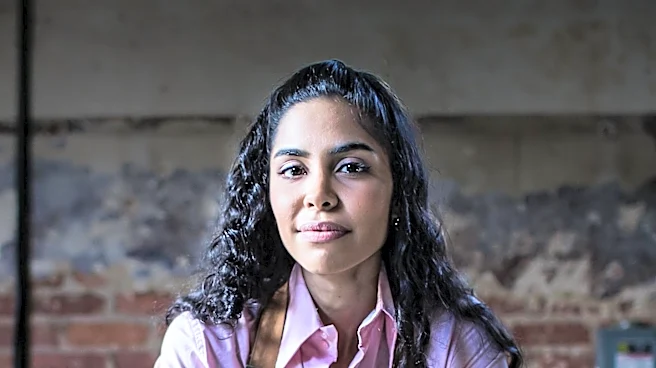
Jessy Flores, the owner of Mi Tiendita Munaycha, a Peruvian craft, clothing, and food shop in Old Sacramento, experienced an unexpected moment of joy when Saturday Night Live comedian Marcello Hernandez
visited her store. Hernandez shared a dance with Flores, which has since gained attention online. This visit came at a crucial time for Flores, who has been struggling to keep her business afloat for over three years. Despite moving to a larger, more prominent location, Mi Tiendita Munaycha has faced challenges due to slow foot traffic and a significant increase in import costs for her products from Peru. Flores noted that import fees have nearly doubled, rising from $700 to $1,500 since she started her business. While the comedian's visit provided a much-needed morale boost and some online attention, it has not fundamentally altered the store's financial trajectory. Flores is now planning to downsize her business by sharing a space with another Peruvian business owner in Carmichael and is also seeking additional employment to cover her expenses.
Why It's Important?
This story highlights the significant challenges faced by small business owners, particularly those specializing in niche markets or imported goods, in the current economic climate. Jessy Flores's struggle to break even despite her passion and efforts reflects broader issues such as rising operational costs, increased shipping expenses, and fluctuating consumer foot traffic that impact many independent retailers across the U.S. The unexpected visit from a celebrity like Marcello Hernandez, while providing a temporary uplift and some publicity, underscores the precarious nature of small businesses that often rely on such serendipitous events for visibility. It also illustrates the emotional toll that business ownership can take, with Flores expressing how the visit turned a 'sad moment into happiness.' Her decision to downsize and seek additional employment is a common reality for many entrepreneurs who must adapt to economic pressures to survive, showcasing the resilience required to navigate the small business landscape.
What's Next?
Jessy Flores plans to transition Mi Tiendita Munaycha to a shared retail space in Carmichael, aiming to reduce overhead costs. Concurrently, she will be seeking another job to supplement her income and ensure financial stability. The online attention generated by Marcello Hernandez's visit may lead to a temporary increase in interest and orders for her products, potentially providing a short-term boost as she prepares for the move. However, the long-term sustainability of her business will depend on her ability to attract consistent customers in the new location and manage ongoing import costs. The story could also inspire local community support or highlight the need for programs that assist struggling small businesses with rising operational expenses. Flores's journey will continue to be a testament to the perseverance of small business owners in the face of economic adversity.
Beyond the Headlines
This narrative extends beyond a simple business struggle, touching upon themes of cultural entrepreneurship and community resilience. Flores's dedication to selling Peruvian crafts, clothing, and food represents an effort to share her cultural heritage, making her business more than just a commercial venture; it's a cultural bridge. The challenges she faces reflect broader issues of globalization and supply chain economics, where small businesses bear the brunt of increased international shipping costs. The viral moment with Marcello Hernandez also speaks to the power of social media and celebrity influence in drawing attention to local businesses, albeit often fleetingly. It raises questions about the systemic support available for cultural enterprises and whether current economic models adequately sustain such ventures. Ultimately, Flores's story is a microcosm of the broader struggle for cultural preservation and economic survival in an increasingly competitive and costly marketplace, highlighting the human element behind economic statistics.