







What's Happening?
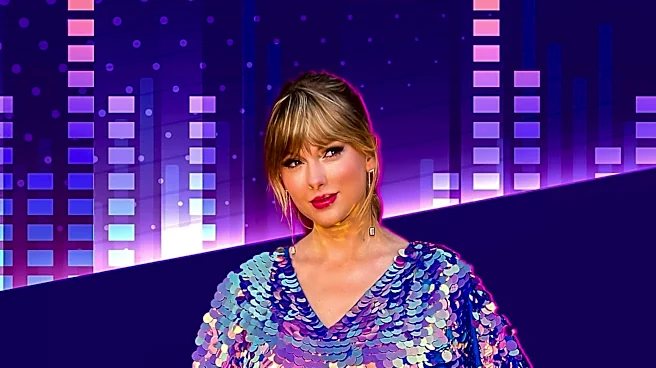
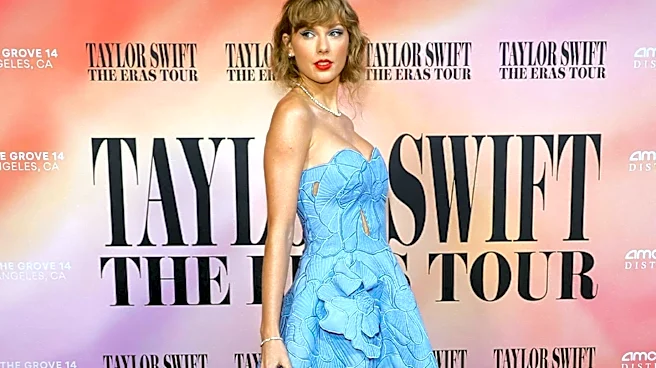
Taylor Swift recently marked her 20th year in the music industry, coinciding with the 20th anniversary of her debut album. During an interview, the Grammy winner discussed the significant changes she has observed and adapted to over two decades. She noted
the evolution of music distribution, from initial reliance on CDs and iTunes to the rise of streaming services and the resurgence of vinyl. Swift emphasized her commitment to understanding and meeting her fans' preferences for consuming music, stating that she will explore any ethical means to deliver a quality experience. She also expressed optimism regarding the intersection of technology and musical creation, based on her observations of the world.
Why It's Important?
Taylor Swift's reflections highlight the profound shifts within the U.S. music industry over the past two decades, impacting artists, record labels, and consumers. Her adaptability to changing distribution models, from physical sales to digital downloads and streaming, underscores the necessity for industry players to innovate and respond to technological advancements. The resurgence of vinyl, as noted by Swift, indicates a diverse consumer market that values both convenience and tangible experiences, influencing production and marketing strategies. Her approach to fan engagement and ethical considerations in music distribution sets a precedent for how artists can maintain relevance and connection in a rapidly evolving landscape, affecting revenue streams and intellectual property discussions across the industry.
What's Next?
The ongoing evolution of music consumption, as described by Taylor Swift, suggests a continued focus on diversified distribution channels and fan-centric strategies. The industry will likely see further integration of technology, potentially including new streaming formats, interactive fan experiences, and innovative ways to combat piracy while ensuring fair compensation for artists. The renewed interest in physical formats like vinyl may lead to more artists and labels investing in high-quality physical releases, catering to collectors and audiophiles. Swift's continued influence means her future decisions regarding music releases and technological adoption could further shape industry trends, potentially encouraging other artists to explore similar ethical and fan-focused approaches to their careers.
Beyond the Headlines
Taylor Swift's journey through the music industry offers a case study in navigating technological disruption and maintaining artistic integrity. Her emphasis on ethical considerations in music distribution touches upon broader debates surrounding artist compensation in the streaming era and the impact of artificial intelligence on creative works. The return of vinyl also speaks to a cultural phenomenon of nostalgia and the value placed on physical artifacts in an increasingly digital world. Her success in adapting to these changes, while maintaining a strong connection with her fanbase, illustrates the power of artist-fan relationships in shaping industry trajectories and challenging traditional business models. This ongoing dialogue between technology, ethics, and artistic expression will continue to define the future of the music landscape.