

What's Happening?
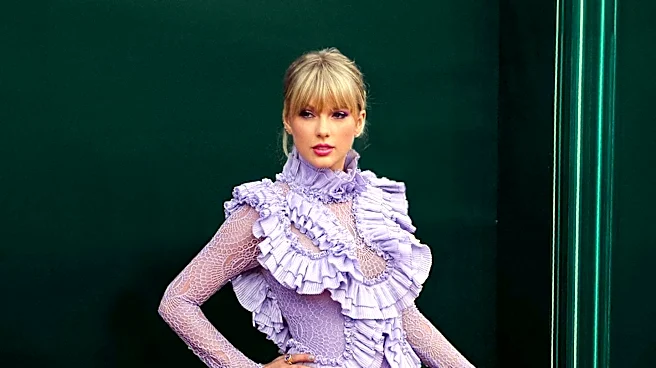
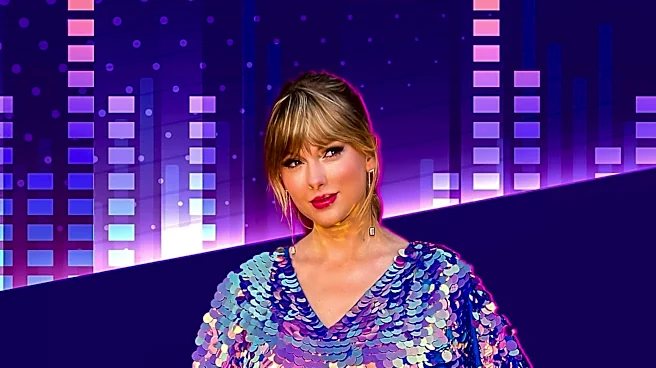
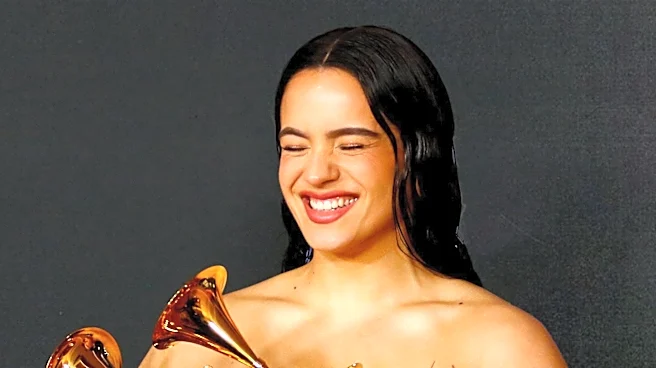
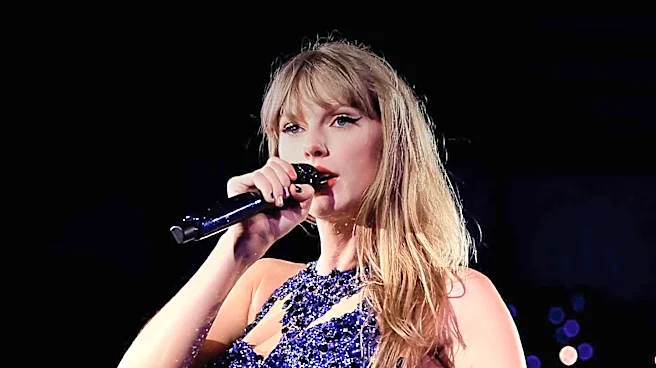
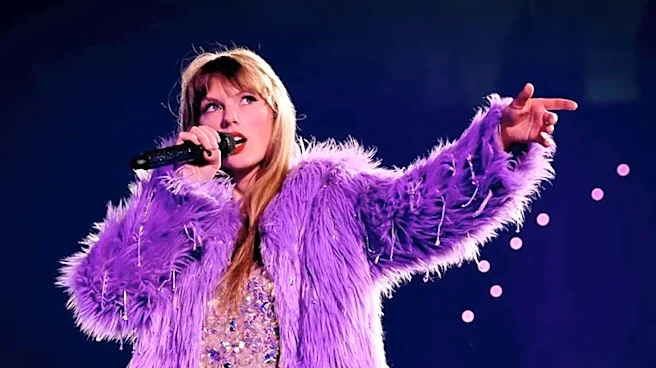
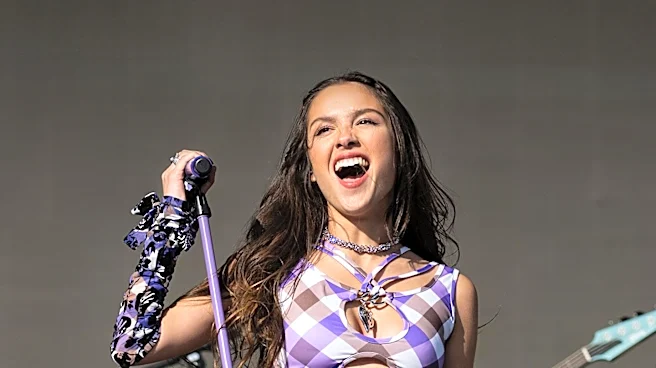
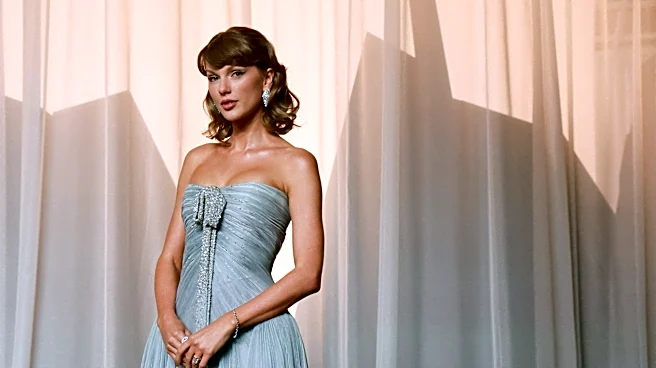
Taylor Swift recently highlighted Rosalía's 'LUX' and Olivia Dean's 'The Art of Loving' as her two favorite albums of the past year. In an interview with Vanity Fair Spain, Swift discussed the albums in the context of technology's role in music creation.
She described Dean's album as a 'warm hug' and Rosalía's as an 'ambitious, conceptual and expansive album that could have only been born from her own life experience.' Swift emphasized that these albums are 'marvelous because they’re human,' connecting with listeners due to their authentic human experience. Her comments came during a virtual press conference for Golden Globe nominations, where she also spoke about her song for 'Toy Story 5,' 'I Knew It, I Knew You.' Swift used the opportunity to subtly critique AI-generated art, asserting that human creativity continues to triumph in the artistic realm.
Why It's Important?
Taylor Swift's endorsement of Rosalía and Olivia Dean's work carries significant weight within the music industry, potentially boosting the visibility and sales of both artists. Swift's remarks also contribute to the ongoing discourse about the role of artificial intelligence in creative fields. By championing human-made music, she reinforces the value of authentic artistic expression and the unique connection it fosters with audiences, contrasting it with the perceived limitations of AI-generated content. This stance could influence public perception and industry investment in human artists versus technological alternatives. Her comments underscore a broader cultural conversation about the irreplaceable nature of human experience and emotion in art, particularly as AI capabilities advance.
What's Next?
The recognition from a global superstar like Taylor Swift is likely to generate increased interest in Rosalía and Olivia Dean's music, potentially leading to higher streaming numbers, album sales, and broader critical acclaim. This could translate into more opportunities for collaborations, tours, and awards for both artists. Furthermore, Swift's vocal support for human creativity over AI in music may encourage other prominent artists to share similar sentiments, potentially fostering a stronger industry-wide emphasis on original, human-driven artistry. This could also spark further debate and discussion among music producers, tech companies, and consumers regarding the future of music creation and consumption in an increasingly AI-driven world.
Beyond the Headlines
Swift's commentary extends beyond mere musical preference, touching upon deeper philosophical questions about the essence of art and humanity in the age of artificial intelligence. Her assertion that 'when human beings create something so extraordinary, it should, first and foremost, uplift the rest of us and inspire us' highlights the intrinsic value of human connection and emotional resonance in art. This perspective challenges the notion that technology can fully replicate or replace the profound impact of human experience in creative works. It also subtly critiques the potential for AI to dilute the authenticity and emotional depth that audiences seek in music, suggesting a long-term shift in how artists and listeners perceive the role of technology in the creative process.