







What's Happening?
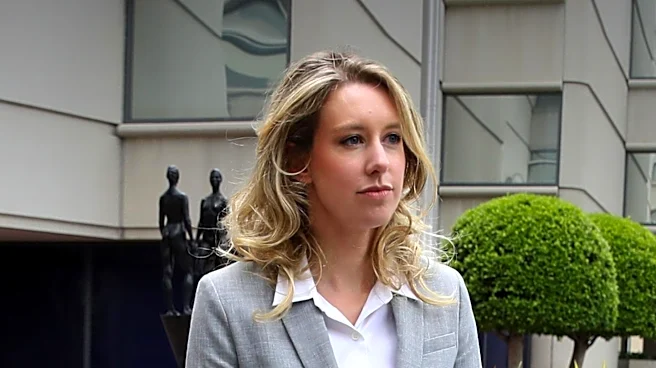
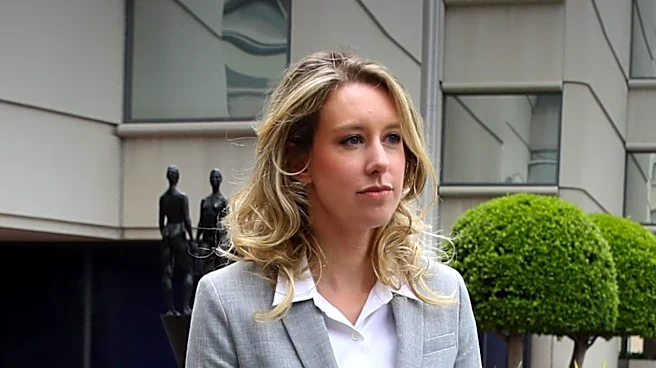
The A24 film 'You Can See Everything,' a documentary centered on Elizabeth Holmes, is generating significant buzz for a potential Best Picture nomination at the Academy Awards. This would mark a historic moment, as no documentary has ever been nominated
in this category in the Oscars' 98-year history, even after the expansion to 10 nominees in 2010. Documentaries have traditionally been confined to the Best Documentary category. The closest a documentary came to a Best Picture nod was 1994's 'Hoop Dreams,' which, despite critical acclaim and a strong push from critic Roger Ebert, failed to secure a nomination in either Best Picture or Best Documentary. This omission led to widespread outcry and ultimately spurred significant changes in the Academy's documentary nomination process, including the establishment of a dedicated documentary branch in 2001. The genre has since seen increased recognition, with films like 'Bowling for Columbine' and 'An Inconvenient Truth' achieving mainstream success and critical acclaim.
Why It's Important?
A Best Picture nomination for 'You Can See Everything' would represent a significant shift in how the Academy of Motion Picture Arts and Sciences recognizes and values documentary filmmaking. It would elevate the status of documentaries from a specialized category to a mainstream cinematic art form, potentially encouraging more filmmakers to explore complex real-world narratives with the same artistic ambition typically associated with narrative features. This could lead to increased funding and distribution opportunities for documentary projects, broadening their reach and impact on public discourse. For the U.S. film industry, it would signify a more inclusive and progressive approach to awards, reflecting a growing appreciation for non-fiction storytelling. It could also influence audience perceptions, encouraging a wider viewership to engage with documentaries, which often tackle critical social, political, and economic issues, thereby fostering a more informed public.
What's Next?
The immediate next step for 'You Can See Everything' is the official announcement of the Academy Award nominations. If the film secures a Best Picture nomination, it will undoubtedly spark further discussion and debate within the film community and among the general public regarding the evolving definition of 'best picture.' This could lead to a re-evaluation of the criteria for Best Picture eligibility, potentially opening doors for more documentaries in future ceremonies. The success of 'You Can See Everything' could also influence other major film festivals and awards bodies to consider documentaries more prominently in their top categories. Filmmakers and studios might increasingly invest in high-quality documentary productions, anticipating greater recognition and commercial viability. The film's performance at the Oscars will be closely watched as a bellwether for the future of documentary cinema's integration into mainstream awards.
Beyond the Headlines
Beyond the immediate awards implications, a Best Picture nomination for 'You Can See Everything' could have profound cultural and ethical ramifications. Documentaries, by their nature, often delve into complex real-world events and figures, raising questions about truth, representation, and the responsibility of storytelling. The story of Elizabeth Holmes and Theranos, in particular, touches upon themes of corporate fraud, technological hubris, and the allure of Silicon Valley narratives. A Best Picture nod would amplify these discussions, prompting deeper societal reflection on accountability, ethical innovation, and the critical examination of powerful individuals and institutions. It could also challenge traditional notions of entertainment, suggesting that compelling, fact-based narratives can be as impactful and artistically significant as fictional ones, thereby blurring the lines between journalism, art, and public education.