
What's Happening?
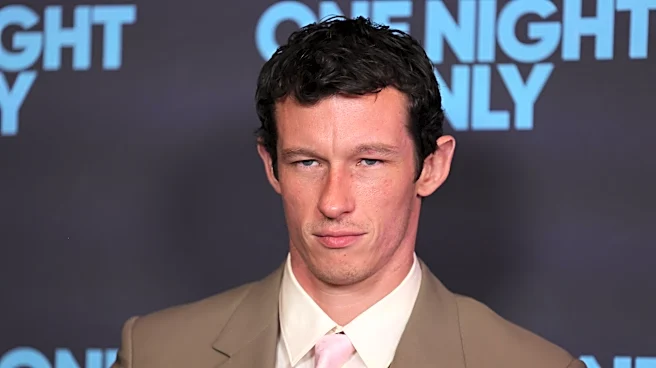
Robert Pattinson has been cast as the new James Bond, surpassing other contenders including Josh O'Connor, Callum Turner, Jack Lowden, and Nicholas Hoult. This information was revealed by Matt Belloni
of Puck during a discussion on 'The Town' podcast with entertainment lawyer Karl Austen. According to Austen, Pattinson received a significantly higher salary for the role compared to what was initially expected for a newcomer or for a smaller-scale series or three-part film. Austen commented that this was likely a very favorable deal for Pattinson, indicating that the compensation offered was substantially more than what other candidates might have received. The selection process involved multiple finalists, but Pattinson ultimately secured the iconic role.
Why It's Important?
The casting of Robert Pattinson as James Bond carries significant implications for the entertainment industry and the future of the long-running film franchise. The James Bond series is a global phenomenon, and the choice of lead actor can profoundly influence its box office performance, critical reception, and cultural impact. Pattinson's selection suggests a strategic move by the producers, potentially aiming to attract a younger demographic while maintaining the franchise's established appeal. His higher compensation package also indicates the perceived value and star power he brings to the role, potentially setting a new benchmark for actor salaries in major franchises. This decision will shape the narrative direction and tone of upcoming Bond films, affecting millions of fans worldwide and influencing future casting decisions in similar high-profile roles.
What's Next?
Following the announcement of Robert Pattinson as James Bond, the next steps will likely involve pre-production for the upcoming film. This will include script development, securing a director, and casting other key roles. The production team will need to define the new era of Bond, establishing how Pattinson's portrayal will differentiate from previous iterations while honoring the character's legacy. Public and media reactions to the casting will be closely monitored, as fan reception often plays a crucial role in the initial momentum of such a major franchise. Marketing campaigns will eventually begin, building anticipation for the first film starring Pattinson as 007, which will be a critical test of the new direction.
Beyond the Headlines
The casting of Robert Pattinson as James Bond extends beyond a simple personnel change; it reflects broader trends in Hollywood's approach to established franchises. The decision to cast a well-known actor with a significant fan base, even at a higher cost, highlights the industry's reliance on star power to guarantee audience engagement in an increasingly competitive market. This move could signal a shift towards prioritizing established names over emerging talent for iconic roles, potentially influencing how studios manage risk and investment in tentpole productions. Furthermore, Pattinson's interpretation of Bond could redefine masculinity and espionage for a new generation, sparking cultural discussions about the evolution of classic characters in contemporary cinema.