





What's Happening?
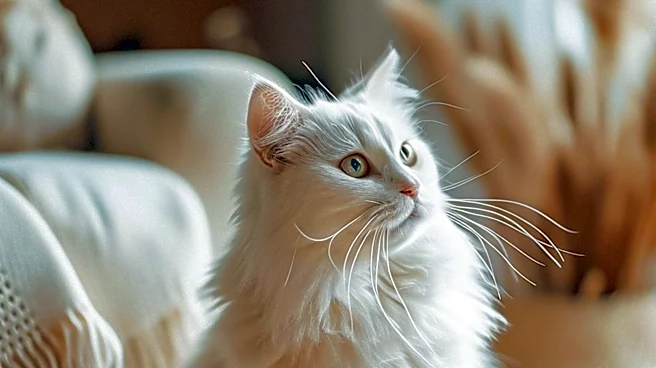
The Siberian cat, a sturdy, medium-to-large breed originating from Russia, is characterized by its affectionate and playful temperament, along with a distinctive thick triple coat. These cats typically stand 9 to 12 inches tall and measure 17 to 25 inches from nose
to rump, reaching full size between 3 and 5 years of age. Their appearance is marked by rounded contours, a substantial body, and a dense triple coat, which can vary in length and fullness seasonally. The Cat Fanciers’ Association (CFA) accepts a wide range of colors and patterns, including black and tabby, with eye colors spanning green, gold, green-gold, and copper. White cats or those with white markings may also have blue or odd eyes. The breed was recognized by TICA in its New Breed program in 1992, achieving championship status in 1996, and by CFA for registration in 2000, with championship status granted in 2006. Prospective owners should be aware that while some people report fewer allergic reactions to Siberians, no cat breed is entirely allergen-free, and individual reactions vary.
Why It's Important?
Understanding the specific characteristics and care requirements of the Siberian cat breed is crucial for potential owners in the U.S. to ensure a suitable match for their lifestyle and home environment. The breed's slow maturation, reaching full size between 3 and 5 years, means that owners must be prepared for a longer developmental period. The dense triple coat necessitates regular grooming, typically weekly combing, with increased frequency during seasonal shedding, to prevent matting and maintain coat health. This commitment to grooming is a significant factor for those considering the breed. Furthermore, while Siberians are generally hardy, they are prone to hypertrophic cardiomyopathy (HCM), a heart condition, and a Swedish study indicated they might be more injury-prone than other purebreds. This highlights the importance of routine veterinary care, preventive measures, and creating a safe home environment to mitigate health risks and potential injuries, impacting the long-term financial and emotional investment of ownership.
What's Next?
Prospective Siberian cat owners in the U.S. should plan for a comprehensive budget that includes the initial cost of the kitten and first-year expenses. In 2026, a kitten from a reputable breeder is estimated to cost between $1,200 and $4,000, while adoption from a shelter or rescue typically ranges from $75 to $100. First-year setup and veterinary costs, covering supplies, vaccinations, spaying or neutering, and microchipping, can add an additional $500 to $1,000. When evaluating breeders or adoption options, individuals should ask for health and vaccination records, inquire about HCM screening in the parents, confirm registration or pedigree information, and review written adoption or purchase terms. Meeting the kitten and assessing its temperament and socialization is also recommended before making a commitment. Ongoing care will involve regular veterinary check-ups, vaccinations, parasite prevention, and daily interactive play sessions of 10 to 15 minutes, two to three times a day, to meet the breed's social and intelligent nature.
Beyond the Headlines
The detailed information on the Siberian cat breed extends beyond basic pet ownership, touching upon broader implications for responsible breeding practices and consumer awareness in the U.S. pet market. The emphasis on pedigree paperwork and known ancestry to confirm a cat's breed, rather than relying solely on appearance, underscores the importance of ethical breeding and the potential for misrepresentation in the market. The discussion of allergen levels, clarifying that no cat is truly hypoallergenic despite claims, highlights the need for scientific accuracy and managing consumer expectations, particularly for individuals with allergies. This also encourages potential owners to spend time with a specific cat before adoption to test their individual reaction, promoting a more informed and responsible approach to pet acquisition. The comparison with other long-haired breeds like the Norwegian Forest Cat further educates consumers on distinguishing features and care needs, fostering a more discerning pet-owning public.