






What's Happening?
The 1960s witnessed significant global sporting events that redefined athletics, intertwining athletic excellence with geopolitical shifts. Key moments included the 1968 Mexico City Olympics, where American sprinters Tommie Smith and John Carlos protested
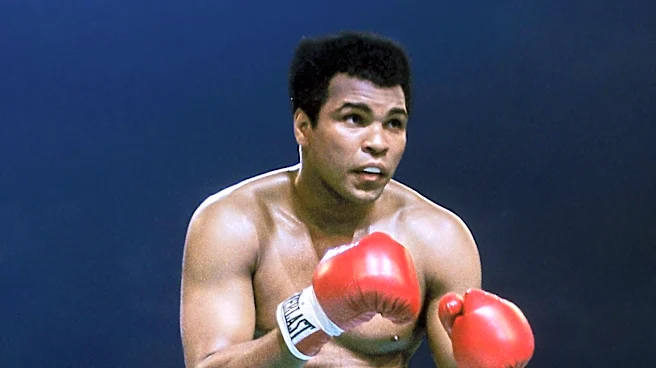
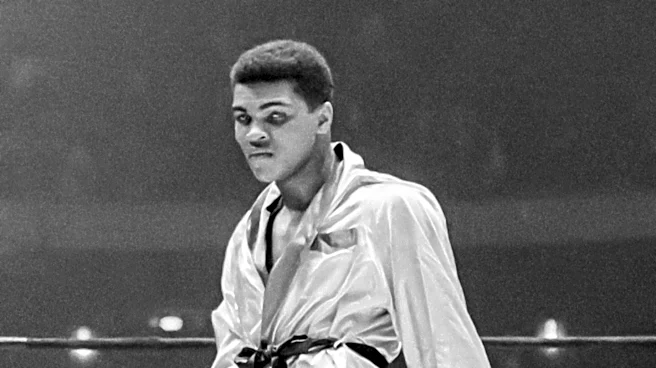
racial inequality, and the rise of Muhammad Ali in professional boxing. Ali's journey from Olympic gold medalist to undisputed heavyweight champion was marked by his refusal to be drafted into the U.S. military during the Vietnam War. This stance led to his conviction for draft evasion, the stripping of his titles, and a three-year exile from the sport. His eventual return and the 'Fight of the Century' against Joe Frazier in 1971 became a national reckoning, cementing his status as a global symbol of anti-establishment sentiment.
Why It's Important?
The events of the 1960s fundamentally altered the relationship between athletics and activism. Smith and Carlos's silent protest at the Olympics transformed the podium into a global platform for civil rights, forcing the world to confront racial tensions in American society. Muhammad Ali's principled stand against the Vietnam War demonstrated that sporting figures could wield significant influence beyond their athletic achievements, challenging the moral compass of a nation. His actions highlighted the intersection of personal conviction, political dissent, and professional consequences. These instances established a precedent for athletes using their platforms to advocate for social and political causes, forever changing the landscape of international sport and the public's perception of athletes.
Beyond the Headlines
The legacy of the 1960s sporting earthquakes continues to resonate, influencing how athletes engage with social issues today. The decade showcased the growing power of sports as a cultural force and a medium for political expression. Ali's story, in particular, illustrates the profound impact an individual athlete can have on societal discourse and the potential for personal sacrifice in the pursuit of justice. The controversies surrounding these events also underscored the tension between the ideal of apolitical sports and the reality of athletes as citizens with rights and responsibilities. This era laid the groundwork for the modern athlete-activist, demonstrating that sports can be a powerful arena for challenging norms and driving social change.