

What's Happening?
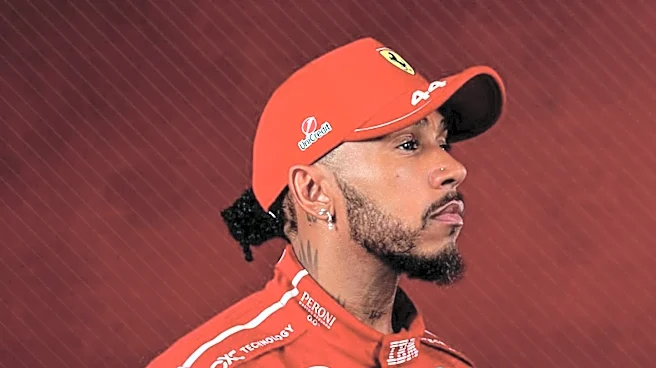
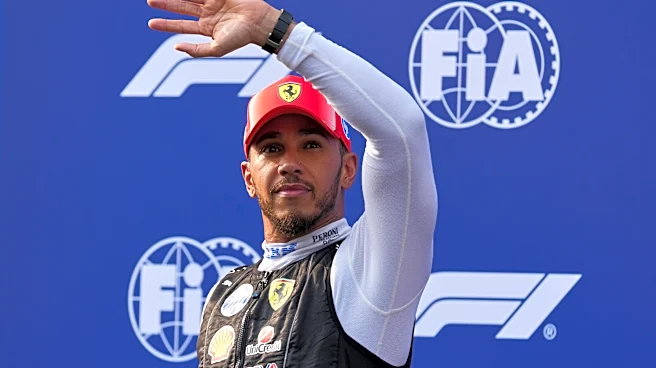
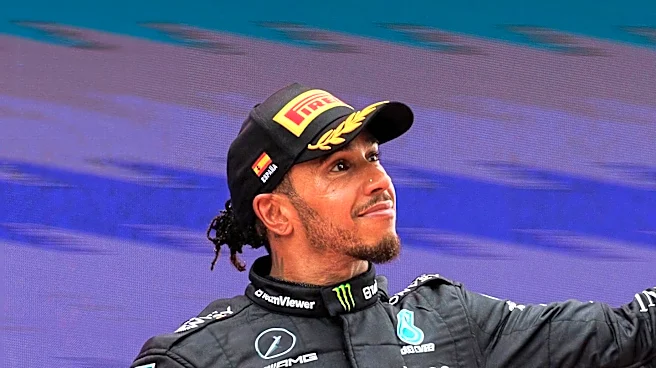
Former Formula 1 boss Bernie Ecclestone has publicly criticized Lewis Hamilton, accusing the seven-time world champion of constant complaining and suggesting he should consider retirement. Ecclestone's remarks, made in an interview with RTL and Sky Sport
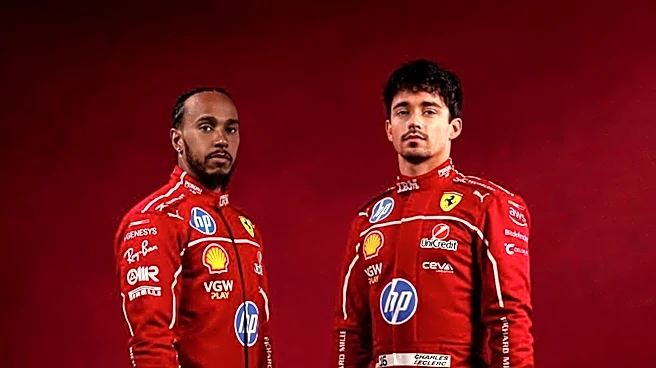
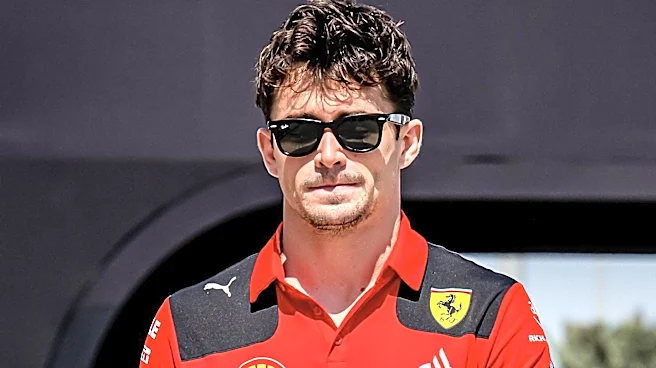
Germany, question Hamilton's future in the sport, particularly since his move to Ferrari in 2025. According to Ecclestone, Hamilton's attitude has become problematic, and he has struggled to adapt to or change Ferrari's operational methods. Ecclestone drew a distinction between Hamilton and his teammate Charles Leclerc, suggesting Leclerc is better suited to Ferrari's existing structure. This criticism follows previous instances where Ecclestone urged Hamilton to retire, despite Hamilton's stated ambition to return to winning ways.
Why It's Important?
Ecclestone's comments are significant as they come from a highly influential figure in Formula 1 history, potentially impacting public perception and internal team dynamics at Ferrari. His assessment highlights the challenges Hamilton may be facing in his new team, suggesting a potential disconnect between the driver's approach and the team's established culture. For Ferrari, managing such public criticism and internal tensions, especially between two high-profile drivers, is crucial for team cohesion and performance. The remarks also underscore the intense scrutiny and pressure on top athletes, where performance and perceived attitude are constantly evaluated. This situation could influence future driver market decisions and team strategies within Formula 1, particularly regarding the balance between driver individuality and team integration.
What's Next?
The ongoing public commentary from figures like Ecclestone could intensify pressure on Lewis Hamilton and Ferrari. Hamilton will likely face continued scrutiny regarding his performance and demeanor on and off the track. Ferrari's team principal, Fred Vasseur, may need to address these external criticisms and internal dynamics to maintain team morale and focus. The situation could also prompt further discussions within Formula 1 about driver roles and team hierarchies, especially as the sport continues to evolve. Future race performances and Hamilton's ability to integrate more effectively with Ferrari's structure will be key indicators of how these challenges are being managed.
Beyond the Headlines
Beyond the immediate sporting implications, Ecclestone's comments touch upon broader themes of athlete longevity, adaptation to new environments, and the role of veteran figures in sports commentary. The critique of Hamilton's 'whining' could be interpreted as a generational clash in sports philosophy, where older figures might expect a different kind of stoicism from athletes. It also raises questions about the psychological impact of constant public scrutiny on athletes and how they manage their public image and internal struggles. The narrative of a legendary driver facing challenges in a new team, and the public discourse surrounding it, reflects the complex interplay of talent, personality, and team dynamics in elite sports.