
What's Happening?
The sixth annual North South Colorado bike race, a 643-mile self-supported gravel cycling event, recently took place, attracting adventurers from across the Western U.S. The race, which spans from Fort
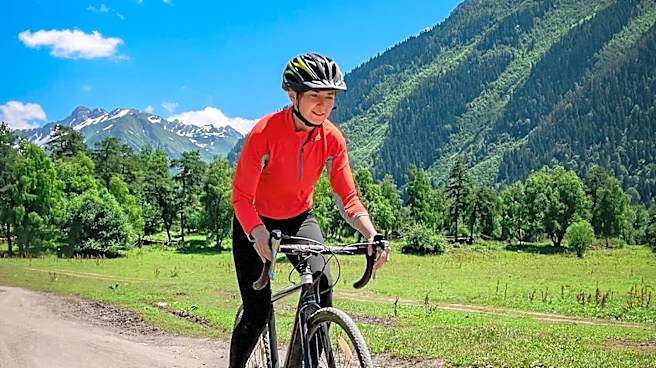
Collins to Trinidad, saw 36 participants out of nearly 70 registrants at the start line. This grassroots event is part of a rapidly growing subgenre of cycling, gravel racing, which has gained significant popularity over the last decade. Unlike traditional road racing, gravel events emphasize self-sufficiency, endurance, and a culture of overcoming personal challenges rather than direct competition. Participants carry their own supplies, navigate remote routes, and are permitted to purchase food and stay in motels along the way, adhering to rules that ensure equal access to commercial resources for all racers. The event highlights the appeal of extreme endurance challenges, where many participants aim to push their personal limits rather than solely focusing on finishing first.
Why It's Important?
The rise of self-supported gravel races like North South Colorado signifies a significant shift in the cycling landscape, moving away from the exclusivity of road racing towards more accessible and personally challenging endurance events. This trend reflects a broader cultural interest in extreme fitness challenges and self-discovery through physical hardship. The growth of gravel racing has attracted corporate interest, with companies like Life Time acquiring and promoting major endurance events, injecting significant resources and media attention into the sport. This corporate involvement raises questions about balancing grassroots authenticity with commercial expansion, but it also broadens access and opportunities for participants. The emphasis on personal endurance and the 'spirit of gravel' fosters a unique community, appealing to individuals seeking to test their physical and mental fortitude in demanding environments.
What's Next?
The gravel racing scene is expected to continue its expansion, with both grassroots events and larger, commercially backed races drawing increasing numbers of participants. Organizers of self-supported races will likely continue to focus on creating challenging routes that take riders through remote areas, requiring meticulous planning for refueling and rest. The interplay between corporate entities like Life Time and smaller, community-driven races will shape the future of the sport, potentially leading to more televised events and increased prize money, while also striving to maintain the inclusive and adventurous spirit that defines gravel cycling. As the sport evolves, there will be ongoing discussions about how to preserve its core values of self-reliance and camaraderie amidst growing commercialization and professionalization.
Beyond the Headlines
The appeal of ultra-endurance events like the North South Colorado race extends beyond mere physical competition; it taps into a deeper human desire for self-discovery and resilience. Participants often describe these races as a 'drug' or an 'addiction,' driven by the constant problem-solving and mental fortitude required to overcome extreme physical and environmental challenges. This pursuit of 'suffering' as a means of personal growth highlights a unique psychological dimension of extreme sports, where the line between pain and profound satisfaction blurs. The inclusive nature of gravel racing, which welcomes participants of varying skill levels and often prioritizes completion over winning, fosters a strong sense of community and shared experience. This cultural aspect distinguishes it from more traditional competitive sports, emphasizing the journey and personal transformation over podium finishes.