



What's Happening?
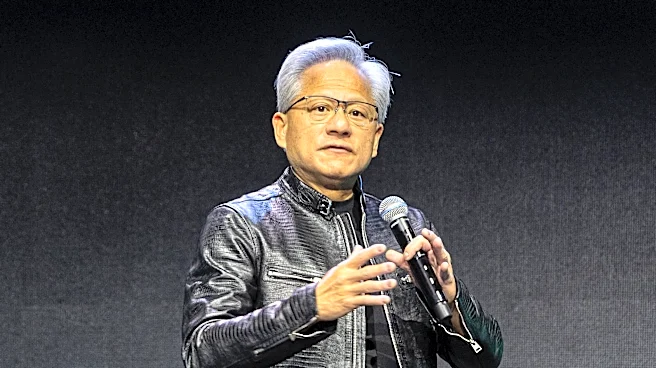
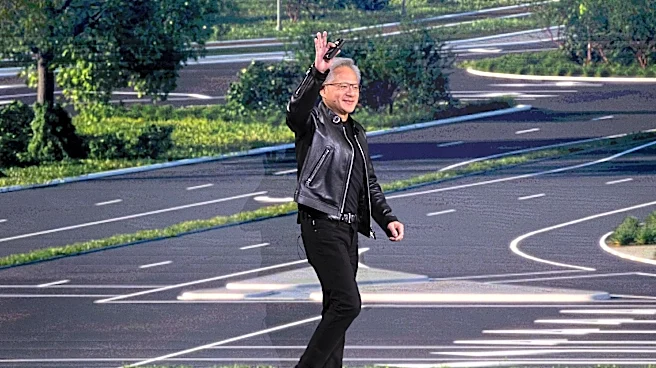
NVIDIA's Board of Directors has unanimously voted to reinstate Jensen Huang as President and Chief Executive Officer, effective immediately. Huang will also rejoin the Board. This decision follows a series of discussions and meetings where the Board assessed
Huang's candor and leadership capabilities. The Board also received input from senior levels of the United States government, which affirmed that Huang's reinstatement poses no national security risk. Harvey C. Jones, Chair of the Board, expressed confidence in Huang's leadership and thanked Colette Kress for her service as interim CEO, noting her continued role as Chief Financial Officer. Huang expressed his honor to return and lead NVIDIA, acknowledging the support of the Board, executive staff, employees, shareholders, and partners. The Board had previously formed a committee of independent directors to investigate reports of Huang being targeted by a foreign intelligence effort, and this investigation will continue with Huang's full cooperation. Additionally, a new National Security and Export Control Committee has been formed to oversee trade compliance and national security risks, and NVIDIA is seeking a Chief Compliance Officer.
Why It's Important?
The reinstatement of Jensen Huang as NVIDIA's CEO is significant for the technology sector and the company's strategic direction. Huang has been a pivotal figure in NVIDIA's growth, particularly in the burgeoning fields of artificial intelligence and high-performance computing. His return signals stability and continuity in leadership, which can reassure investors, employees, and partners. The involvement of the U.S. government in assessing national security risks related to Huang's leadership underscores the critical role NVIDIA plays in national technological infrastructure and competitiveness. The formation of a National Security and Export Control Committee and the search for a Chief Compliance Officer highlight an increased focus on regulatory adherence and risk management, especially in the context of global trade tensions and national security concerns surrounding advanced technology. This move could set a precedent for how other U.S. technology companies handle leadership transitions and potential national security implications, particularly those with significant international operations and supply chains.
What's Next?
Following Jensen Huang's reinstatement, NVIDIA will proceed with its ongoing internal investigation into reports of him being targeted by foreign intelligence. Huang has committed to full cooperation with this committee, which is comprised of independent directors and supported by independent counsel. Concurrently, the newly formed National Security and Export Control Committee will begin its oversight of trade compliance and national security risks, engaging specialized counsel and advisors. NVIDIA will also commence a search for a new Chief Compliance Officer, who will report to the Nominating and Corporate Governance Committee and oversee compliance across the company. These steps indicate a strengthened commitment to corporate governance and national security protocols within NVIDIA. The company is also expected to continue cooperating with ongoing government investigations and inquiries, suggesting a period of heightened scrutiny and internal restructuring to address compliance and security concerns. The market will likely watch for further updates on these internal processes and their potential impact on NVIDIA's operations and strategic partnerships.
Beyond the Headlines
The circumstances surrounding Jensen Huang's temporary removal and subsequent reinstatement at NVIDIA reveal deeper implications regarding the intersection of corporate leadership, national security, and global technological competition. The fact that the U.S. government provided input on Huang's reinstatement underscores the strategic importance of NVIDIA's technology, particularly in areas like AI and advanced semiconductors, which are critical for national defense and economic competitiveness. This event highlights the increasing scrutiny U.S. authorities place on key technology leaders, especially those with international ties or potential vulnerabilities to foreign influence. It also signals a growing trend where corporate governance decisions in critical technology sectors are not solely internal matters but can involve national security considerations. The establishment of dedicated committees for national security and export control, along with a new Chief Compliance Officer role, suggests a long-term shift towards more robust internal mechanisms to mitigate geopolitical risks and ensure compliance with evolving regulatory landscapes. This could influence how other U.S. tech companies structure their leadership and compliance frameworks in an era of heightened geopolitical tensions.