



What's Happening?
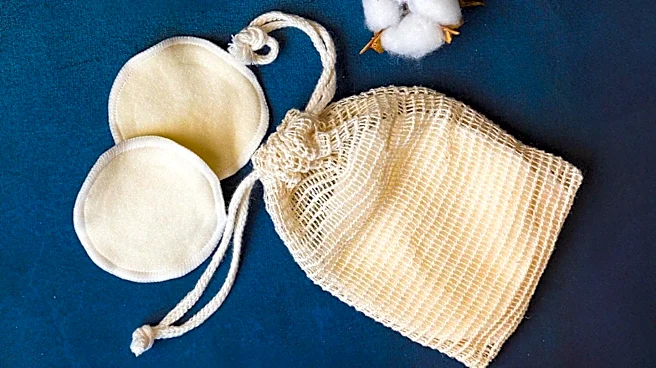
L'Oréal is expanding its global refill campaign to integrate refillable beauty products into mainstream consumer habits. This initiative addresses the challenge of moving circular packaging formats beyond niche markets. Concurrently, LG H&H and LG Chem
in South Korea have collaborated to develop a recyclable packaging solution specifically for large-format refill products. This partnership between beauty and materials specialists aims to overcome technical obstacles in creating circular packaging. The broader beauty and personal care industry is increasingly focusing on practical, technological, and integrated sustainability efforts, moving beyond general commitments to implement tangible changes in energy, packaging, materials, and circularity. Companies are investing in infrastructure to support ambitious climate targets, including renewable energy, energy efficiency, refill systems, and recycled materials. This shift indicates a growing emphasis on embedding environmental improvements directly into product development, manufacturing processes, and supply chains.
Why It's Important?
This expansion by L'Oréal signifies a critical step towards normalizing sustainable consumption within the beauty industry, potentially influencing consumer behavior and market trends in the U.S. By making refillable options more accessible, it could reduce packaging waste and lower the environmental footprint of beauty products. The collaboration between LG H&H and LG Chem highlights the importance of cross-industry partnerships in solving complex sustainability challenges, setting a precedent for other sectors. For U.S. consumers, this could mean more environmentally friendly product choices and a greater awareness of sustainable packaging. For businesses, it underscores the growing demand for eco-conscious solutions and the need to innovate in packaging design and material science to remain competitive and meet evolving regulatory and consumer expectations regarding sustainability.
What's Next?
The beauty industry is expected to continue its trajectory towards more practical and integrated sustainability solutions. Future developments will likely include further advancements in recyclable materials, increased adoption of refill systems across various product categories, and greater investment in technologies that convert waste into new resources. Companies may also focus on enhancing consumer participation in recycling and refill programs by making them more convenient and accessible. We can anticipate more collaborations between beauty brands and material science companies to develop innovative packaging solutions. Additionally, there may be a push for standardized recycling guidelines and infrastructure to support the widespread adoption of circular packaging, potentially influencing policy discussions around waste management and environmental regulations in the U.S.
Beyond the Headlines
The push for mainstream refillable beauty products reflects a broader societal shift towards circular economy principles, challenging the traditional linear model of production and consumption. This movement has ethical implications, as it encourages corporate responsibility for environmental impact and promotes conscious consumerism. Legally, it could lead to new regulations or incentives for companies to adopt sustainable packaging practices, potentially impacting supply chains and manufacturing standards. Culturally, it signifies a growing consumer demand for transparency and sustainability from brands, pushing companies to integrate environmental values into their core identity. In the long term, this trend could foster a more resource-efficient economy, reduce landfill waste, and mitigate the environmental consequences of consumer goods, ultimately contributing to a more sustainable future.