








What's Happening?
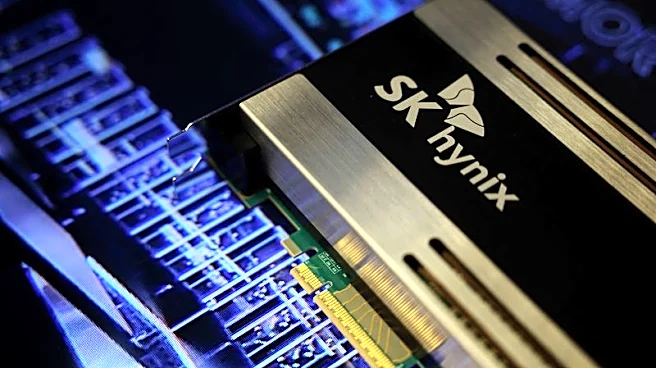
The budget smartphone market is experiencing significant changes as the cost of memory chips, specifically DRAM and NAND Flash, has surged. This increase is largely due to tech companies like Samsung, SK Hynix, and Micron redirecting their production
efforts towards High Bandwidth Memory (HBM) to meet the demands of AI data centers. As a result, memory now constitutes up to 64% of the manufacturing cost for entry-level phones, leaving little room for other essential components like processors and cameras. This shift has led to higher prices for budget phones or their disappearance from the market altogether. Manufacturers are attempting to manage costs by reverting to older technologies and recycling components, but the impact on device features is evident.
Why It's Important?
The rising cost of memory chips and the subsequent impact on budget smartphones highlight a broader trend in the tech industry where AI and high-performance computing are prioritized over consumer electronics. This shift could lead to reduced availability of affordable smartphones, affecting consumers who rely on budget devices. Additionally, the increased focus on AI-related technologies may drive innovation and growth in that sector, but it also risks widening the digital divide as entry-level devices become less accessible. The economic implications are significant, as manufacturers face shrinking profit margins and consumers encounter fewer affordable options.
What's Next?
As the demand for AI-related memory continues to grow, manufacturers may further adjust their production strategies, potentially leading to more innovations in AI technology. However, the budget smartphone market may continue to contract, with fewer models available at low prices. Consumers might need to adjust their expectations or consider alternative options. The industry could also see increased pressure to develop cost-effective solutions that balance the needs of AI advancements with consumer electronics demands.