







What's Happening?
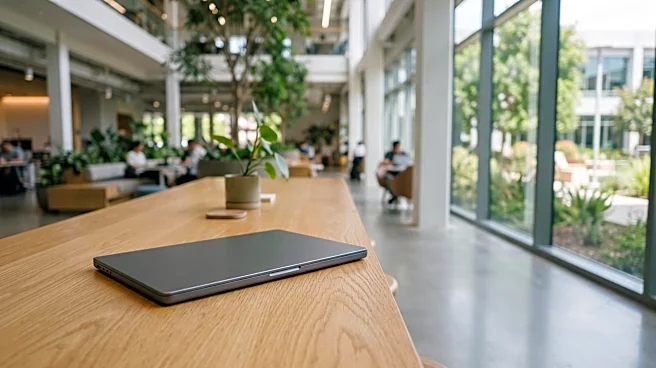
Electronics and gadget brands are being advised to rethink their loyalty programs to better suit the longer product lifecycles inherent in their industry. Unlike high-frequency retail, where customers make frequent purchases, electronics consumers often
go years between major acquisitions like laptops or televisions. This extended gap necessitates a shift from traditional points-based systems that primarily reward transactions to models that maintain customer engagement between purchases. Deloitte's 2024 loyalty research indicates that 86% of consumers value financial rewards, simplicity, and flexibility in loyalty programs, yet only 60% are satisfied with personalization. Effective programs for electronics should combine financial incentives with reasons for customers to stay connected, such as service benefits, VIP tiers, and opportunities for engagement beyond just spending. Academic research supports the general effectiveness of loyalty programs but highlights that their success varies significantly based on design and industry characteristics, underscoring the need for tailored strategies in the electronics sector.
Why It's Important?
This shift in loyalty program strategy is crucial for U.S. electronics brands to foster long-term customer relationships and combat the challenge of infrequent purchases. By focusing on engagement between major sales, companies can reduce customer churn and increase lifetime value. Traditional transaction-based programs risk creating price-sensitive customers who may switch brands for better financial terms. In contrast, programs that reward customer identity and relationship, offering benefits like early access, personalized service, or co-creation opportunities, build a deeper sense of belonging and make switching costs relational rather than purely financial. This approach can lead to more durable customer loyalty, as consumers are less likely to abandon a brand where they feel recognized and valued, even in the face of aggressive promotional offers from competitors. For businesses, this means moving beyond simply accumulating points to cultivating affinity, which is a more sustainable path to retention and revenue growth.
What's Next?
Electronics brands are expected to increasingly adopt multi-faceted loyalty programs that incorporate elements beyond simple points-for-purchase. This includes implementing tiered VIP progression where high-value purchases can accelerate status, offering cashback, and developing robust referral programs that leverage customer advocacy. Companies like Samsung and Best Buy already demonstrate varied approaches, with Samsung Rewards offering tiered cashback and Best Buy combining rewards with protection and support services through paid memberships. Brands will also need to carefully consider the expiration policies for rewards, as long purchase cycles mean customers might not redeem points within short windows. The focus will be on measuring success not just by enrollment, but by metrics like repeat purchase rates, time to second purchase, customer lifetime value, and referral revenue, ensuring programs drive profitable customer behavior rather than just participation.
Beyond the Headlines
The evolution of loyalty programs in the electronics sector highlights a broader trend in consumer engagement: a move from transactional relationships to relational ones. This shift has ethical and cultural implications, as brands are increasingly tasked with making customers 'feel seen' and valued beyond their spending habits. The challenge lies in systematizing these relationship-based rewards, which are often harder to implement than simple discount structures. However, the long-term benefit is a more resilient customer base that is less susceptible to competitive pricing pressures. This approach also encourages brands to invest in customer service, product development based on feedback, and community building, fostering a more holistic and authentic brand-consumer connection. The success of these programs will depend on a deep understanding of customer psychology and a willingness to move beyond conventional loyalty mechanics.