







What's Happening?
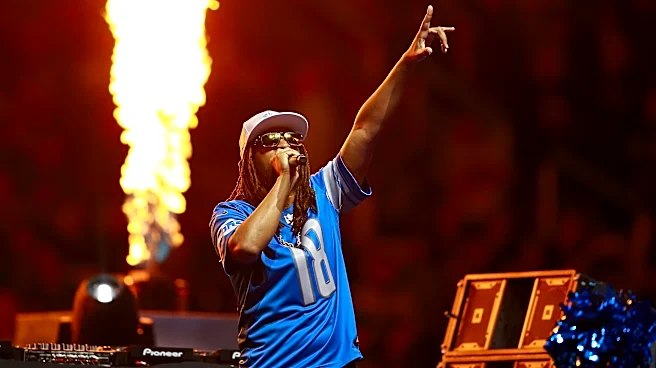
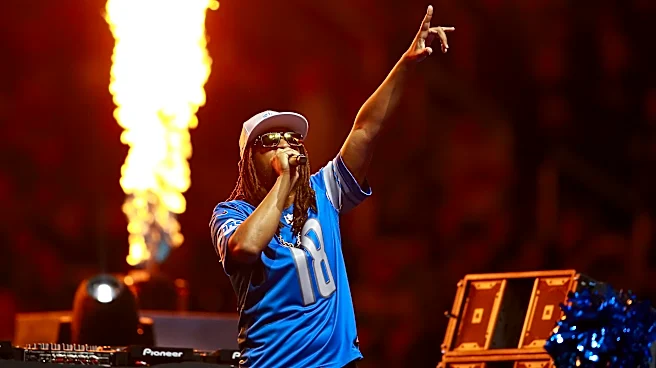
Rapper and producer Lil Jon has openly discussed the profound grief following the accidental drowning of his 27-year-old son, Nathan Smith, also known as DJ Young Slade, in February. During an appearance on CNN’s “All There Is with Anderson Cooper” podcast,
Lil Jon shared intimate details, including their final conversation. He recounted an earlier moment of frustration with Nathan regarding his son's health struggles, which he later rectified with an apology call. This call, where Lil Jon expressed understanding and acknowledgment, brought him peace, as he learned from Nathan's best friend that his son was overjoyed by the gesture. Lil Jon also detailed the agonizing days leading up to the discovery of Nathan's body in a pond near his Georgia home, emphasizing that authorities ruled it an accidental drowning, not a suicide. He described the immense difficulty of making funeral arrangements and serving as a pallbearer for his only son, a responsibility he felt deeply as a father.
Why It's Important?
Lil Jon's candid sharing of his grief journey holds significant importance for public discourse on mental health and loss. By speaking openly about such a personal tragedy, he contributes to destigmatizing grief and encourages others to process their emotions rather than suppress them. His message, 'It’s okay to cry,' provides validation for individuals struggling with loss, particularly men who may feel societal pressure to remain strong. The rapper's revelation about using EMDR therapy and recognizing his own tendency to avoid mourning due to a lifelong role as the 'strong one' highlights the universal challenges of grief. This transparency from a public figure can inspire others to seek support, engage in therapy, and adopt healthier coping mechanisms, fostering a more compassionate understanding of the grieving process within society.
What's Next?
Lil Jon plans to continue honoring his son Nathan's memory through various rituals, including wearing a shirt with Nathan's logo, carrying a commemorative coin, and speaking to Nathan before performances. He also has a tattoo of his son's signature, mirroring one Nathan had of his father's. These practices are part of his ongoing journey to maintain a connection with his son while navigating the permanence of loss. Furthermore, Lil Jon intends to continue sharing his experiences with grief, viewing it as part of his purpose. After a career marked by privacy, he now hopes his openness will help others who are struggling, advocating for the importance of expressing pain and continuing to live. This suggests a continued public presence focused on advocacy for mental health and grief awareness.
Beyond the Headlines
Beyond the immediate emotional impact, Lil Jon's story touches on deeper societal implications regarding masculinity, vulnerability, and the public persona of artists. For years, Lil Jon cultivated an image of strength and high-energy performance. His willingness to dismantle that facade and reveal profound vulnerability challenges traditional notions of masculinity, particularly within the hip-hop community, where stoicism is often valued. This shift can encourage a broader cultural conversation about emotional expression and mental well-being among men. Additionally, his experience highlights the complex interplay between personal tragedy and professional demands, as he navigated a world tour while grieving. This sheds light on the often-unseen struggles public figures face, humanizing them and fostering greater empathy from their audience. His journey also underscores the therapeutic power of art and ritual in processing loss, demonstrating how personal practices can aid in healing.