







What's Happening?
The global formic acid market is projected to grow from USD 690 million in 2025 to USD 1.034 billion by 2034, exhibiting a compound annual growth rate (CAGR) of 4.60% during the forecast period. This growth is primarily fueled by its increasing use in animal
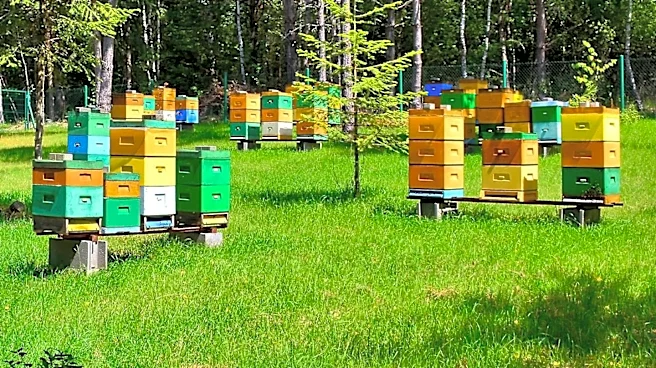
feed and silage preservation, where it reduces harmful bacterial growth and improves hygiene. Additionally, formic acid is gaining traction in beekeeping for controlling Varroa mites in honeybee colonies, creating a specialized application. The market is also seeing a shift towards more sustainable production methods, including bio-based production and the conversion of carbon dioxide into formic acid. Government initiatives, such as the European Union's approval of formic acid under the Biocidal Products Regulation (BPR) for in-can preservatives, are further supporting its regulated use across various industrial and hygiene applications. Asia Pacific currently holds the largest market share, with Latin America projected to be the fastest-growing region.
Why It's Important?
The expansion of the formic acid market has significant implications for several U.S. industries, particularly agriculture and specialty chemicals. In the agricultural sector, the rising demand for formic acid as a feed additive reflects a broader trend towards antibiotic-free livestock production and improved feed hygiene. This benefits U.S. livestock farmers by offering a tool to enhance animal health and productivity, while also meeting consumer demand for safer food products. The growing application in beekeeping for mite control addresses a critical issue for U.S. apiaries, which face substantial economic losses due to Varroa mite infestations, thus supporting the health of honeybee populations vital for crop pollination. Furthermore, the shift towards lower-carbon production routes for formic acid aligns with broader sustainability goals and could spur innovation in green chemistry within the U.S. chemical industry, potentially creating new manufacturing opportunities and reducing environmental footprints.
What's Next?
Looking ahead, the formic acid market is expected to continue its growth trajectory, driven by ongoing innovation in sustainable production and expanding applications. Manufacturers are likely to further invest in research and development for converting carbon dioxide into formic acid, aiming to establish more environmentally friendly and cost-effective production methods. This could lead to new partnerships and collaborations between chemical companies and clean-technology firms, similar to recent developments seen in other regions. The increasing focus on feed hygiene and stricter feed safety regulations will likely drive greater adoption of formic acid in animal agriculture, potentially leading to new product formulations and delivery systems. In the beekeeping sector, the demand for specialized formic acid treatments for mite control is expected to rise, prompting further development of user-friendly and effective solutions for commercial and small-scale beekeepers. Regulatory bodies may also continue to evaluate and approve formic acid for new applications, further broadening its market reach.
Beyond the Headlines
Beyond its direct market growth, the increasing adoption of formic acid highlights several deeper implications. Environmentally, the push for carbon dioxide-based production routes signifies a broader industrial commitment to circular economy principles and carbon utilization, potentially setting a precedent for other chemical manufacturing processes. This could lead to a significant reduction in the carbon footprint of the chemical industry over the long term. Ethically, the use of formic acid in animal feed as an alternative to antibiotic growth promoters reflects a societal shift towards more responsible animal husbandry practices, addressing concerns about antibiotic resistance and animal welfare. In beekeeping, the reliance on formic acid for mite control underscores the ongoing challenges faced by pollinators and the critical need for sustainable solutions to protect these vital ecosystems. This trend also points to the increasing integration of chemical solutions into biological systems to maintain ecological balance and agricultural productivity, raising questions about the long-term impacts of such interventions.