





What's Happening?
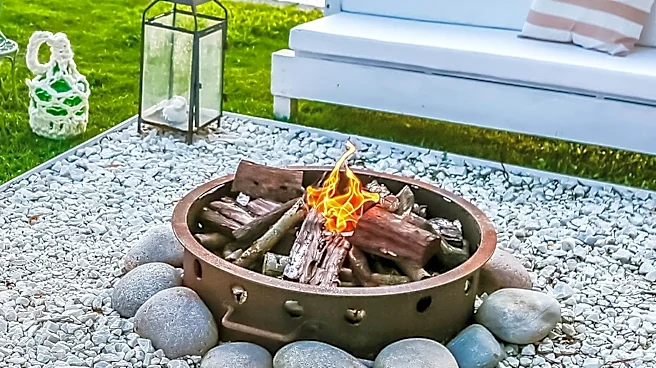
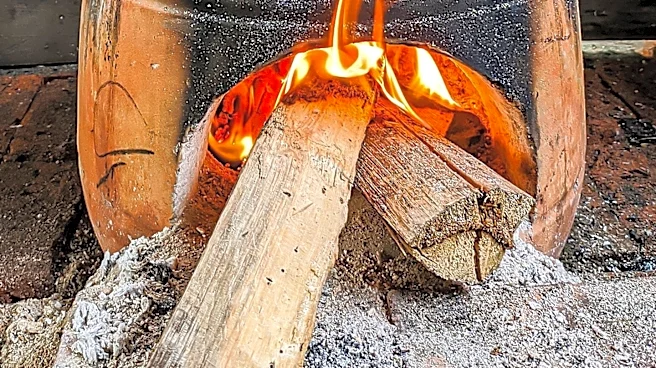
Individuals are exploring DIY projects to create outdoor cooking spaces, specifically focusing on building outdoor stoves. One method involves constructing a stove using bricks and fresh concrete. This process begins with establishing a strong base, which
is then reinforced with an inner concrete layer and steel bars to ensure durability. A chimney is also incorporated into the design. Bricks are placed on top of the concrete layer, and the structure is crowned with a stovetop. Another variation of this DIY project includes building a similar stove equipped with a side grill, following a largely identical construction process but with structural modifications to accommodate the grill. These projects aim to provide functional outdoor cooking areas for culinary creations.
Why It's Important?
The trend of DIY outdoor stove construction reflects a growing interest in home improvement and self-sufficiency, impacting the U.S. lifestyle and potentially the retail sector for building materials. As more individuals undertake such projects, there could be an increased demand for raw materials like bricks, concrete, and steel bars, benefiting suppliers and hardware stores. This movement also highlights a shift towards creating personalized and functional outdoor living spaces, which can enhance property value and offer alternative entertainment options. For consumers, building an outdoor stove provides a cost-effective way to expand cooking capabilities and enjoy outdoor dining, fostering a sense of accomplishment and potentially reducing reliance on pre-made, often more expensive, outdoor kitchen units. The emphasis on durability and functionality in these DIY designs suggests a desire for long-lasting and practical additions to homes.
What's Next?
The continued popularity of DIY outdoor cooking projects is likely to lead to more instructional content and specialized kits becoming available in the market. We may see an increase in workshops and online tutorials dedicated to outdoor stove and kitchen construction, catering to varying skill levels. Retailers of home improvement and gardening supplies might expand their offerings to include more materials and tools specifically tailored for these types of projects. Additionally, as these outdoor spaces become more common, there could be an evolution in outdoor living trends, with a greater focus on integrated and multi-functional designs. This could also spur innovation in outdoor cooking appliances and accessories, designed to complement DIY structures. The community aspect of sharing and showcasing these creations online is also expected to grow, further inspiring others to undertake similar endeavors.
Beyond the Headlines
Beyond the immediate benefits of an outdoor cooking space, the act of building a DIY outdoor stove taps into deeper cultural values of craftsmanship and self-reliance. In an increasingly digital world, hands-on projects like this offer a tangible sense of achievement and a connection to traditional skills. It encourages problem-solving and practical application of knowledge, fostering a more engaged and resourceful approach to home living. Furthermore, these outdoor culinary corners can become central hubs for social gatherings, strengthening community bonds and family interactions. The emphasis on durability and personalized design also speaks to a desire for authenticity and longevity in consumer goods, moving away from disposable culture. This trend could signify a broader societal shift towards valuing experiences and custom-built solutions over mass-produced items, influencing consumer behavior across various sectors.