






What's Happening?
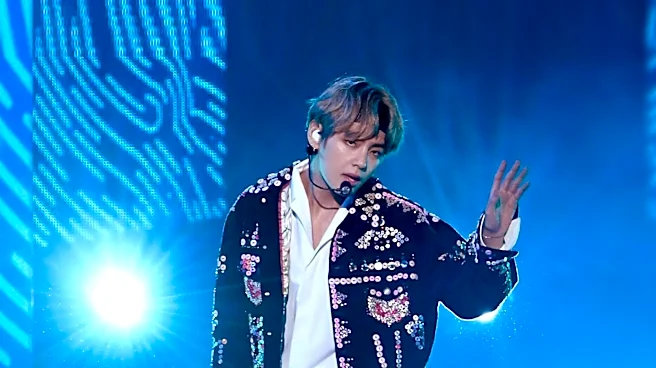
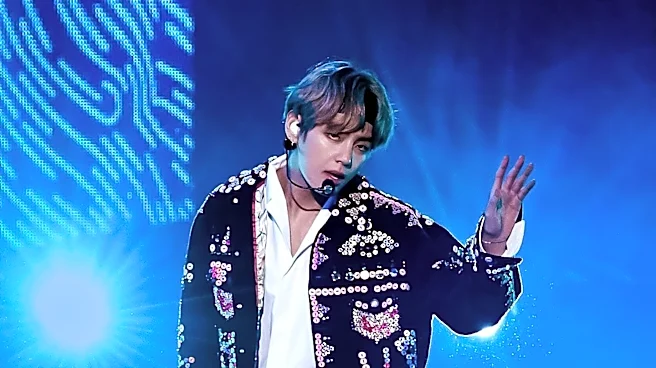
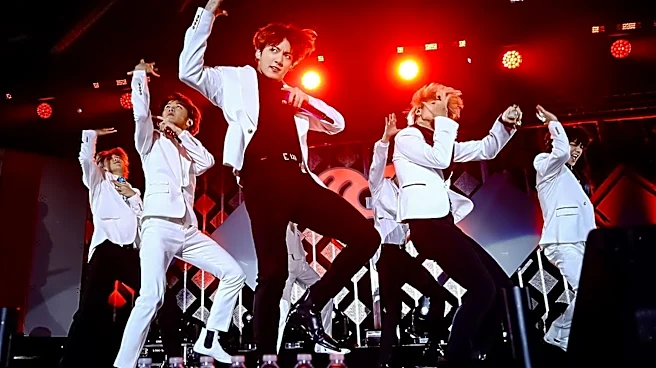
K-pop sensation BTS has reportedly turned down an offer to perform at the Coachella Valley Music and Arts Festival in 2027. According to TMZ, sources with direct knowledge indicate that Coachella organizers approached the group, but negotiations did not
lead to an agreement. The specific reasons for BTS's decision remain undisclosed by either the group or their management company, HYBE. This development follows months of speculation regarding a potential Coachella debut for the globally renowned group. Despite this reported setback, Coachella organizers are reportedly nearing agreements with other major artists, including Dua Lipa, SZA, and Tame Impala, for the upcoming festival. The festival is scheduled to take place on April 9-11 and April 16-18 in Indio, California. This reported rejection by BTS comes as the group is in the midst of a significant comeback, having recently released their album 'Arirang' and embarked on a world tour after members completed mandatory military service.
Why It's Important?
The reported refusal by BTS to perform at Coachella 2027 carries significant implications for both the festival and the music industry. For Coachella, securing BTS would have been a major coup, potentially drawing an even larger global audience and solidifying its status as a premier music event. Their absence means the festival will miss out on the immense draw and cultural impact that BTS commands. For BTS, this decision, following their earlier rejection of Grammy consideration for a new 'Best Asian Pop Music Performance' category, signals a strategic approach to their career and brand. It suggests a prioritization of artistic integrity and global appeal over participation in certain high-profile events or categories that may not align with their vision. This could influence how other major artists negotiate their appearances at large festivals and award shows, potentially empowering them to be more selective. The group's continued success, marked by a number-one album on the Billboard 200 and a successful world tour, demonstrates their strong position to make such independent choices.
What's Next?
While BTS has reportedly declined the Coachella 2027 offer, their ongoing 'Arirang' world tour is scheduled to continue into March 2027, shortly before the festival dates. This suggests the group is focused on their current touring commitments and album promotion. Coachella organizers will proceed with finalizing their lineup, with Dua Lipa, SZA, and Tame Impala reportedly close to confirming their participation. The official announcement of the festival's lineup will be keenly watched to see if any other major surprises emerge. For BTS, future performance opportunities and collaborations will likely be carefully selected, potentially focusing on events that offer unique artistic expression or align more closely with their stated values regarding music appreciation beyond geographical or linguistic divisions. The music industry will observe how this decision impacts future negotiations between top-tier artists and major festivals, potentially leading to shifts in artist booking strategies.
Beyond the Headlines
The reported decision by BTS to decline Coachella 2027, coupled with their previous stance on the Grammy Awards, highlights a broader trend of artists asserting greater control over their careers and public image. This move can be interpreted as a strategic effort to maintain artistic autonomy and challenge traditional industry structures that may attempt to categorize or limit their global appeal. It underscores a growing sentiment among some artists to prioritize their message and connection with fans over participation in every high-profile opportunity. This could lead to a re-evaluation of how major music festivals and award ceremonies engage with global superstars, potentially requiring more tailored and artist-centric approaches. Furthermore, it reinforces the idea that global music phenomena like BTS can dictate their terms, leveraging their immense influence to shape their narrative and impact the broader cultural landscape, rather than simply conforming to existing industry expectations.