



What's Happening?
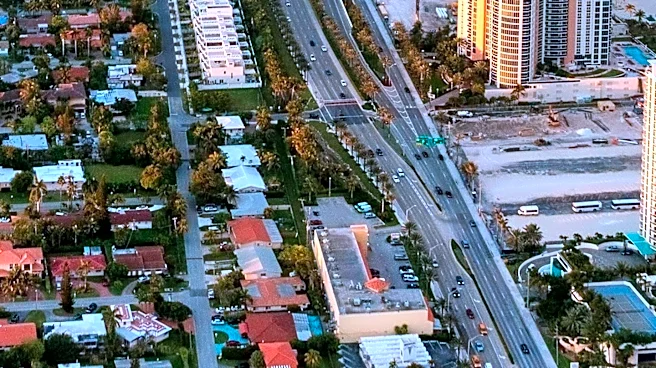
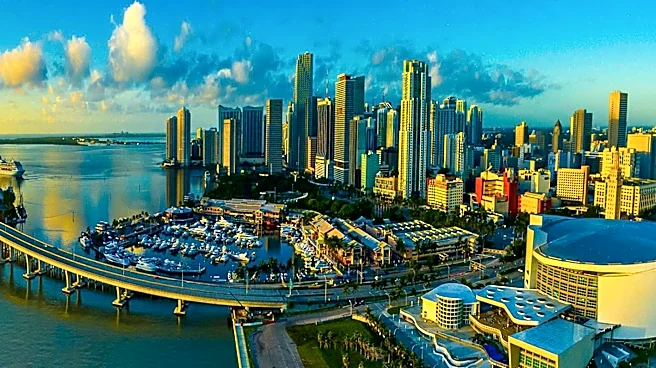
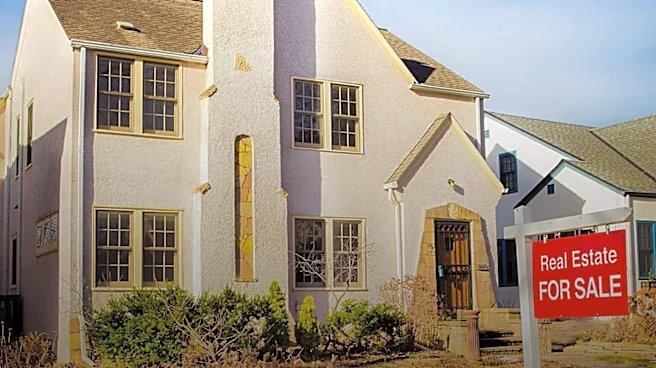
Atherton, a Silicon Valley enclave, has reclaimed its status as the most expensive ZIP Code in the United States, surpassing Miami's Fisher Island. This shift is driven by a surge in wealth from the booming artificial intelligence industry and successful
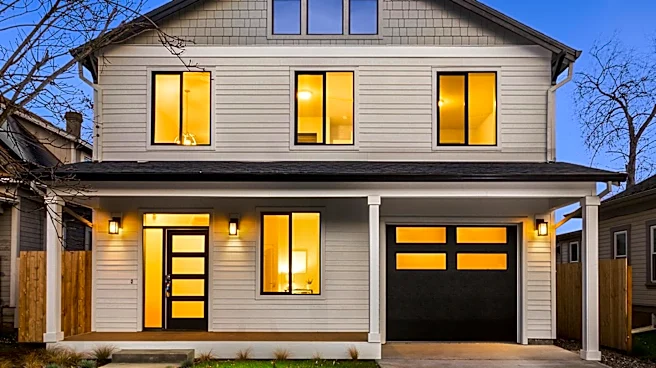
initial public offerings (IPOs) in the San Francisco Bay Area. The town, home to approximately 7,000 residents, has seen a significant increase in real estate demand, with property sales reaching record highs. In the first half of 2026, the median home price in Atherton rose by 20% to nearly $10 million. The area has recorded multiple property sales exceeding $30 million, highlighting the influx of tech industry wealth. Prominent figures such as venture capitalist Marc Andreessen and WhatsApp co-founder Jan Koum reside in Atherton, which is characterized by its sprawling estates and private security presence.
Why It's Important?
The real estate boom in Atherton reflects the broader economic impact of the tech industry's growth, particularly in artificial intelligence. This surge in wealth has led to increased property values and demand in the area, contributing to a widening economic disparity in the region. As the tech industry continues to expand, the concentration of wealth in areas like Atherton underscores the challenges of affordability and inequality in the Bay Area. The influx of tech wealth has also sparked discussions about potential tax measures targeting billionaires to address these disparities. The situation in Atherton serves as a microcosm of the economic shifts occurring in tech hubs across the United States.
What's Next?
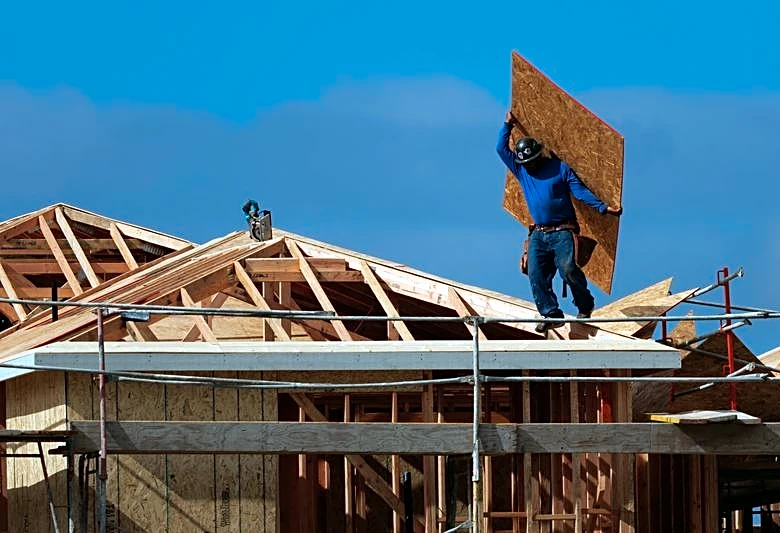
As the demand for luxury real estate in Atherton continues to grow, the area is likely to see further transformations, including the construction of modern mansions and increased private security measures. The upcoming ballot measure in California, proposing a one-time 5% tax on billionaires, could influence the decisions of ultra-wealthy individuals regarding property investments in the state. Additionally, the ongoing expansion of the artificial intelligence industry and anticipated IPOs may further drive real estate demand and economic activity in the region. Stakeholders, including policymakers and community leaders, will need to address the implications of this wealth concentration on local communities and infrastructure.