






What's Happening?
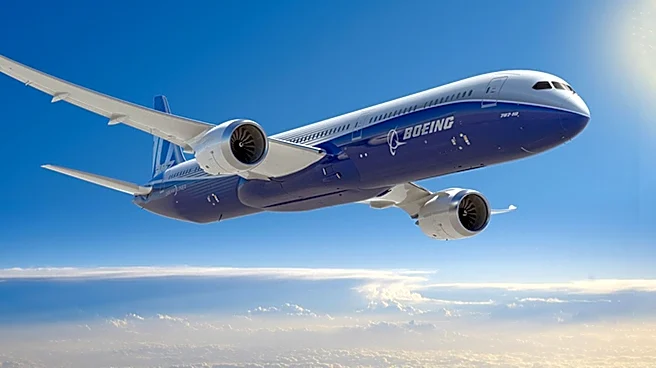
Boeing is significantly expanding its engineering and technology presence in India through the Boeing India Engineering & Technology Center (BIETC). This center currently employs over 5500 diverse engineers who are contributing to global aerospace growth.
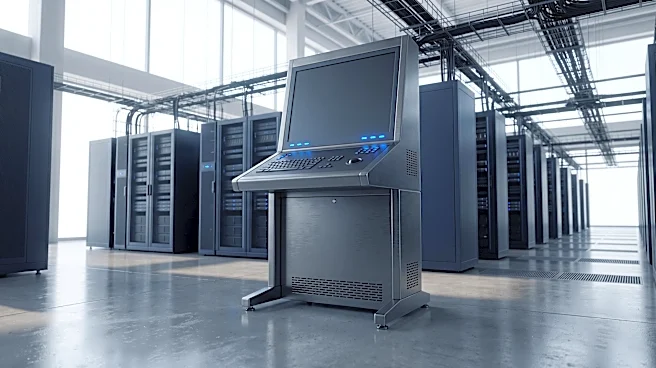
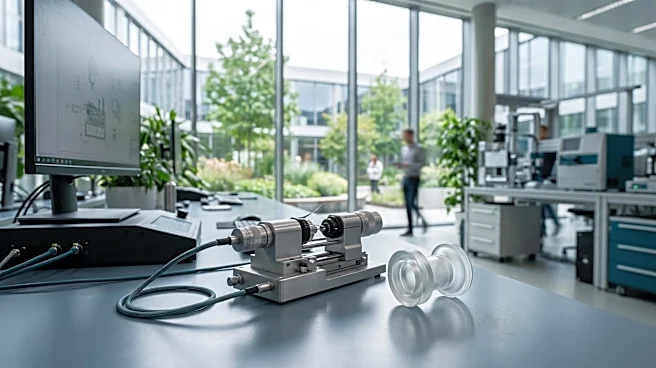
The BIETC team is engaged in cutting-edge research and development, innovation, and high-quality engineering work for global markets. Their efforts leverage new-age technologies such as Artificial Intelligence/Machine Learning (AI/ML), Industrial Internet of Things (IIoT), Cloud computing, Model-Based Engineering, and Additive Manufacturing. This strategic expansion underscores Boeing's commitment to fostering innovation and utilizing a global talent base to advance its aerospace capabilities. The company emphasizes a people-driven culture, promoting creativity and innovation by empowering employees with flexibility and opportunities for growth and learning. Boeing aims to shape the future of aerospace through these technological advancements and a collaborative work environment.
Why It's Important?
This expansion is important for several reasons. For Boeing, it signifies a strategic move to tap into a vast pool of engineering talent, which can accelerate its development of advanced aerospace technologies and reduce operational costs. By establishing a robust engineering hub in India, Boeing can enhance its global competitiveness and innovation capacity, crucial in the rapidly evolving aerospace industry. For the U.S. aerospace sector, this global distribution of engineering work highlights a trend towards international collaboration and specialization, potentially leading to more efficient product development cycles and diversified expertise. It also reflects the increasing importance of emerging markets as centers for high-tech engineering and R&D. The focus on AI/ML, IIoT, and other advanced manufacturing techniques indicates Boeing's commitment to staying at the forefront of technological innovation, which will ultimately benefit its commercial and defense product lines.
What's Next?
Boeing is expected to continue investing in and growing its BIETC operations, further integrating the Indian engineering team into its global development processes. This will likely involve expanding the scope of projects handled by the BIETC, potentially leading to more complex and critical engineering tasks being managed from India. The company will also likely focus on talent development within the BIETC, offering advanced training in specialized aerospace technologies to ensure a skilled workforce. Furthermore, Boeing's emphasis on advanced technologies suggests that future aircraft and defense systems will increasingly incorporate these innovations, driven in part by the work done at centers like BIETC. This could lead to more efficient, safer, and technologically advanced products in the coming years, impacting both commercial aviation and defense capabilities globally.
Beyond the Headlines
Beyond the immediate operational benefits, Boeing's significant investment in its Indian engineering center reflects broader shifts in the global technology landscape. It highlights the increasing globalization of high-tech R&D and the strategic importance of international talent pools for leading U.S. companies. This trend can foster greater cross-cultural collaboration in engineering and innovation, potentially leading to more diverse perspectives and solutions in aerospace design and manufacturing. Ethically, it raises questions about intellectual property management and the equitable distribution of high-value engineering jobs globally. Culturally, it signifies a growing interdependence in technological advancement, where innovation is no longer confined to traditional hubs but is a distributed effort across continents. This long-term shift could redefine how aerospace products are conceived, developed, and brought to market, emphasizing a more integrated global approach to engineering excellence.