
What's Happening?
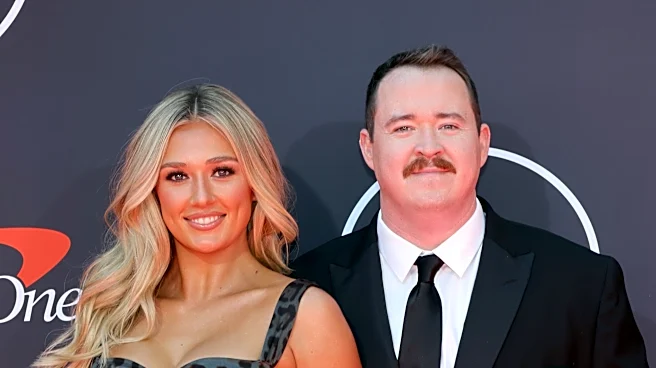
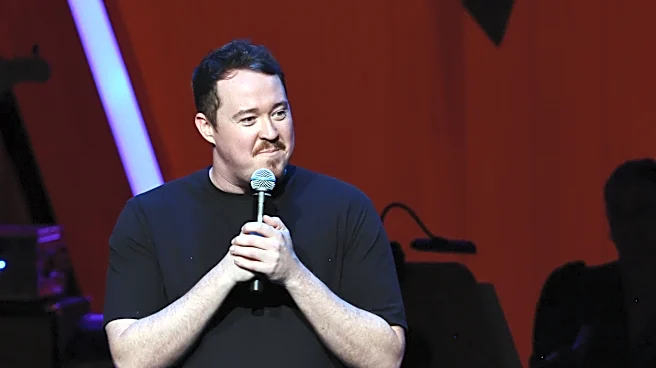
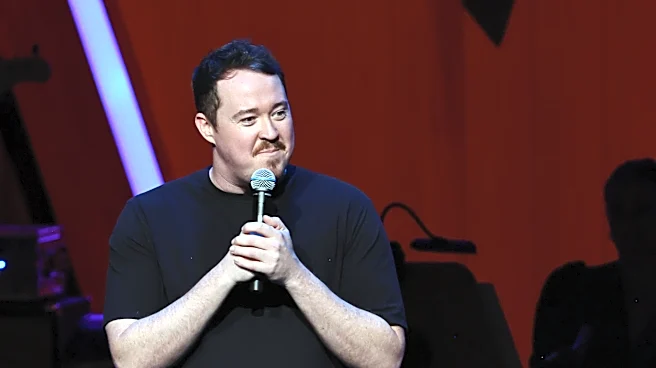
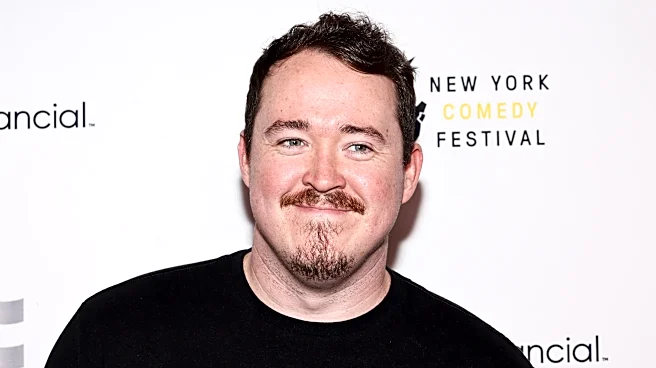
Grace Brassel, the ex-girlfriend of comedian Shane Gillis, has published a lengthy essay detailing their year-long relationship. In her account, Brassel describes Gillis as a 'bad boyfriend' and an 'insecure
jerk,' alleging infidelity, mean comments disguised as jokes, and a general dislike for women. She also recounted instances of disappointment when expected celebrities did not attend parties they hosted. Brassel, who quit her job as a social media manager to become Gillis's live-in girlfriend, claims to have ignored 'red flags' during their time together, including Gillis spending thousands of dollars at an O.J. Simpson estate sale. Her essay was published following Gillis's controversial 'Saturday Night Live' monologue, which she suggests brought her 'closure' by seemingly confirming her perception of his misogyny. Gillis responded briefly to the essay, stating, 'Grace and I had some good times together. Breakups are tough, and I wish her the best.'
Why It's Important?
This public airing of a private relationship highlights the growing trend of individuals, particularly those connected to public figures, using online platforms to share intimate details of their personal lives. While Brassel's essay aims to expose perceived negative aspects of Gillis's character, it also raises questions about the ethics of such disclosures and their impact on both parties. The incident underscores the challenges public figures face in maintaining privacy, as their personal relationships can become subjects of widespread public scrutiny and commentary. For Gillis, this could lead to renewed discussions about his past controversies and public image, potentially affecting his career and audience perception. For Brassel, the essay has drawn criticism for appearing 'sad, bitter, and immature,' potentially impacting her own public image and future relationships.
What's Next?
The immediate aftermath of Brassel's essay is likely to involve continued public discussion and commentary across social media and entertainment news outlets. While Gillis has offered a brief and courteous response, there may be pressure for him to address the allegations more extensively, though he may choose to maintain his current stance of discretion. The incident could also prompt broader conversations within the entertainment industry about the boundaries of privacy for public figures and their partners. It remains to be seen whether this event will have a lasting impact on Gillis's career or if it will be a temporary blip in his public narrative. For Brassel, the long-term consequences of her public disclosure, both personally and professionally, are yet to unfold.
Beyond the Headlines
This event delves into the complex interplay between personal relationships, celebrity culture, and the digital age's inclination towards oversharing. It raises ethical considerations regarding the weaponization of private experiences in the public sphere, particularly when one party holds a significant public profile. The essay's reception, with some viewing it as a 'nuclear revenge bomb' that backfired, highlights a societal debate about the perceived authenticity and motivations behind such disclosures. It also touches upon the 'bad boyfriend gotcha' trope, where personal grievances are framed as broader social commentaries. The incident underscores a cultural shift where the line between private and public life is increasingly blurred, and personal narratives are often consumed and judged by a vast, anonymous audience, potentially leading to unforeseen consequences for all involved.