






What's Happening?
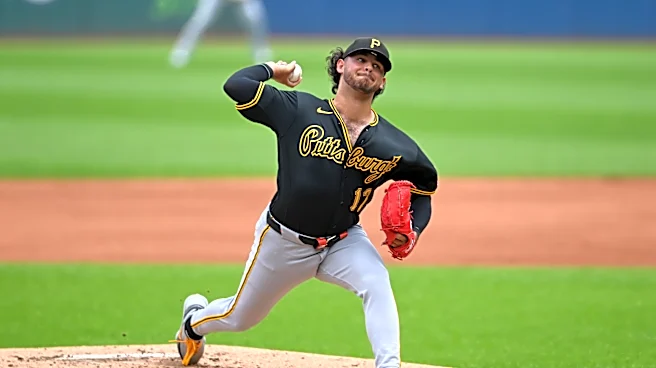
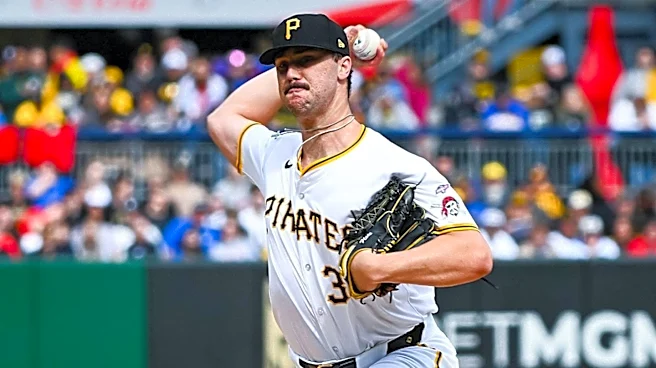
Pittsburgh Pirates manager Don Kelly has announced a strategic adjustment to the pitching rotation, pushing back right-hander Paul Skenes' next start from Sunday's game against the Boston Red Sox to Wednesday, when the team faces the Detroit Tigers. Kelly explicitly
stated that the decision was made to provide Skenes with additional rest and is not related to any injury. Skenes, the reigning National League Cy Young winner, reportedly supported the move, indicating he did not "necessarily disagree with the decision either." This scheduling change comes after a recent outing where Skenes' fastball velocity registered a career-low 95.7 mph, more than a mile per hour below his season average, leading to his early removal after just 65 pitches. His current season ERA stands at 3.88, a notable increase compared to his sub-2.00 ERAs from his first two major league seasons. Furthermore, Skenes' arm angle has shown a slight increase from 23 degrees in previous years to 26 degrees this season, a subtle change that could suggest a pitcher seeking a more comfortable or less painful throwing slot.
Why It's Important?
This decision by the Pirates management underscores a proactive approach to managing the workload and long-term health of a key player, particularly a high-performing pitcher like Paul Skenes. Protecting a star asset is paramount for the team's sustained success and future championship aspirations. The move to provide extra rest, even without a declared injury, reflects a modern understanding of pitcher fatigue and the importance of recovery in a demanding season. For the Pirates, this means adjusting their immediate pitching strategy, likely necessitating a bullpen game on Sunday, which could impact the outcome of that specific matchup. Beyond the team, this scheduling change is significant for fantasy baseball participants and fans, who rely on consistent pitching rotations for their planning and enjoyment. The focus on preventative rest, despite Skenes' recent performance dip, highlights a growing trend in professional sports to prioritize athlete well-being over short-term gains, aiming to extend careers and maximize peak performance periods.
What's Next?
Paul Skenes is now slated to take the mound on Wednesday against the Detroit Tigers, granting him a full week of rest between his last appearance and his next start. In the interim, the Pittsburgh Pirates will deploy a bullpen game on Sunday to cover the slot Skenes was originally scheduled to fill. All eyes will be on Skenes' performance in his upcoming start, with particular attention paid to his fastball velocity and overall command, to assess whether the additional rest has yielded the desired positive impact on his effectiveness. The team's coaching and medical staff will likely continue to closely monitor his physical condition and pitching mechanics throughout the remainder of the season, especially given the previously noted subtle shift in his arm angle. Should Skenes continue to exhibit signs of fatigue or inconsistent performance, similar strategic rest periods could become a recurring management tactic, as teams increasingly prioritize the long-term health and sustainability of their star pitchers.
Beyond the Headlines
The Pirates' decision to manage Paul Skenes' workload proactively, even without a direct injury, reflects a significant shift in professional baseball's approach to pitcher development and longevity. This contrasts with older philosophies that often pushed pitchers to their limits, frequently resulting in injuries. The emphasis on preventative rest highlights a more data-driven and athlete-centric model, aiming to optimize performance over an entire career rather than just a single season. The subtle change in Skenes' arm angle, while not explicitly linked to injury, points to the increasing sophistication of biomechanical analysis in sports. Such observations allow teams to identify potential issues early and intervene before they escalate into more serious problems. This situation also underscores the psychological aspect of elite sports, where a top-tier athlete like Skenes, despite his competitive drive, trusts his team's judgment regarding his physical well-being, demonstrating a mature understanding of his body and career.