
What's Happening?
Eagle Point Solar has been named a 2026 Top Solar Contractor by Solar Power World, marking a significant achievement in the renewable energy sector. This recognition highlights the company's sustained
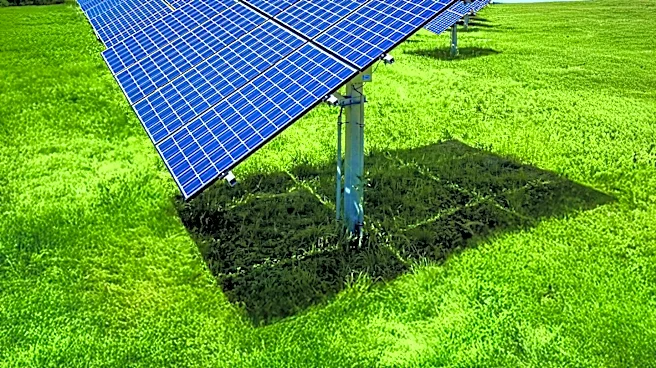
growth and leadership in solar and energy storage installations. The U.S. solar industry has reached a milestone with over 6 million solar installations, making solar the most-installed source of new electricity in the country. Eagle Point Solar, founded in 2010, has completed over 5,000 installations across Iowa, Illinois, and Wisconsin, with a total generating capacity exceeding 108 megawatts. The company employs more than 100 solar professionals and installed 12.355 megawatts of solar power in 2025. The Top Solar Contractors List, now in its 15th year, ranks companies based on their installed capacity and serves as a benchmark for the industry.
Why It's Important?
The recognition of Eagle Point Solar as a top contractor underscores the growing importance of renewable energy in the U.S. economy. As the country surpasses 6 million solar installations, the demand for sustainable energy solutions continues to rise. This growth is crucial for reducing carbon footprints and controlling energy costs for businesses and residents. The solar industry's expansion also reflects broader trends in energy policy and market dynamics, with states like California, Illinois, and Texas leading in installations. The success of companies like Eagle Point Solar demonstrates the viability and economic potential of renewable energy, encouraging further investment and innovation in the sector.
What's Next?
As the solar industry continues to expand, companies like Eagle Point Solar are likely to play a pivotal role in shaping the future of energy in the U.S. The ongoing growth in residential and non-utility markets suggests a shift towards more decentralized and sustainable energy solutions. This trend may lead to increased competition and innovation as more companies enter the market. Additionally, policy developments at the state and federal levels could further influence the industry's trajectory, potentially impacting regulations, incentives, and market access. Stakeholders will need to adapt to these changes to maintain their competitive edge and continue contributing to the renewable energy landscape.