







What's Happening?
In the context of electric vehicle (EV) batteries, cobalt, lithium, and nickel are crucial elements commonly found in battery cathodes. Most EVs utilize lithium-ion batteries, which consist of a cathode (positive electrode) and an anode (negative electrode).
The cathode material is particularly important as it determines the battery's energy capacity, lifespan, and safety. Cobalt is used in cathodes, especially in chemistries like Nickel Manganese Cobalt Oxide (NMC) and Nickel Cobalt Aluminum Oxide (NCA), to enhance energy density and stability. Lithium is a fundamental element present in various cathode materials, such as lithium cobalt oxide and lithium iron phosphate, facilitating the storage and release of energy. Nickel is also a key component in high-energy density EV battery cathodes, like NMC and NCA, contributing to longer driving ranges. Graphite, however, is primarily used in the anode, not the cathode.
Why It's Important?
The composition of EV battery cathodes with elements like cobalt, lithium, and nickel has significant implications for the U.S. automotive industry and its transition to electric vehicles. The reliance on these specific materials affects battery performance, cost, and supply chain stability. High energy density cathodes, enabled by these elements, are crucial for extending EV driving ranges, addressing a key consumer concern and accelerating EV adoption. However, the sourcing of these materials, particularly cobalt and lithium, often involves complex global supply chains with geopolitical and ethical considerations. Understanding these material dependencies is vital for U.S. policymakers and manufacturers to develop strategies for secure and sustainable supply chains, potentially through domestic mining, recycling, or the development of alternative battery chemistries. This directly impacts the competitiveness of U.S. EV manufacturers and the overall pace of decarbonization in the transportation sector.
What's Next?
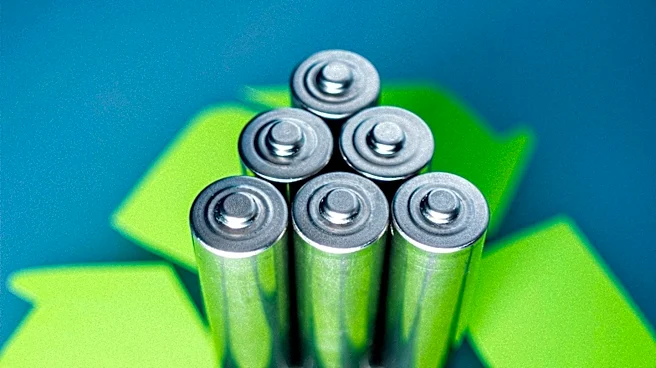
The future of EV battery technology will likely involve continued research and development to optimize cathode compositions, aiming to reduce reliance on critical and sometimes ethically problematic materials like cobalt, while enhancing performance and cost-effectiveness. This could include exploring alternative chemistries, such as sodium-ion batteries, or developing advanced recycling processes to recover valuable materials from end-of-life EV batteries. Manufacturers will also focus on improving battery management systems to maximize the lifespan and safety of existing chemistries. Policy initiatives, such as incentives for domestic battery production and material sourcing, are expected to play a crucial role in shaping the U.S. EV battery landscape, ensuring a stable and sustainable supply of essential components for the growing electric vehicle market.
Beyond the Headlines
The discussion around EV battery cathode materials extends beyond technical specifications to encompass broader ethical, environmental, and economic dimensions. The demand for cobalt, lithium, and nickel raises concerns about mining practices, labor conditions, and environmental impact in source countries. This pushes the U.S. and global automotive industry to invest in more sustainable sourcing, ethical supply chain management, and advanced recycling technologies. Furthermore, the strategic importance of these materials highlights the need for robust international collaborations and domestic policies to secure access and foster innovation. The long-term shift towards electric vehicles is not just a technological change but a fundamental transformation of industrial ecosystems, requiring a holistic approach to material science, manufacturing, and environmental stewardship.