



What's Happening?
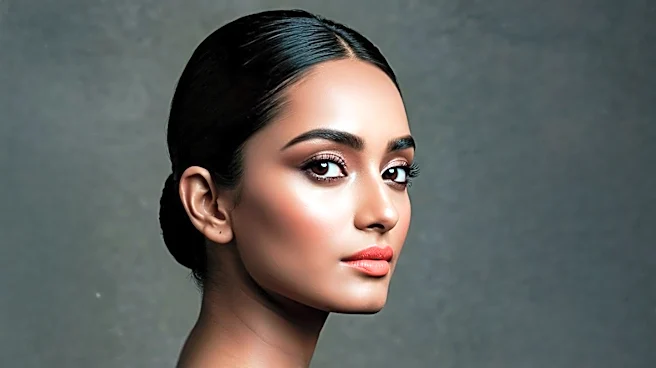
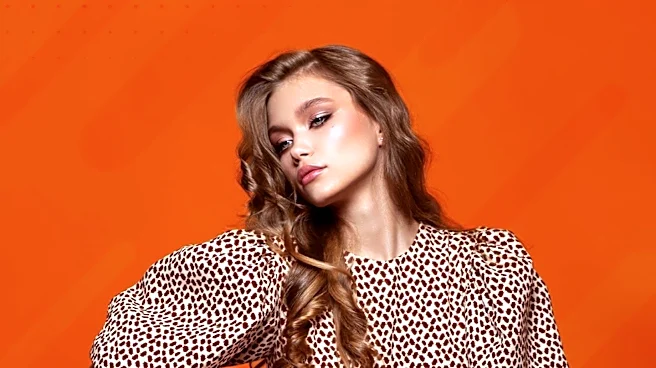
PicMa Studio has launched a new AI Editorial Portrait feature that allows users to transform their personal photos into magazine-style images. This feature, accessible through the PicMa app, offers various magazine-inspired styles, enabling users to apply
different visual personalities to their portraits. Instead of requiring complex prompts or professional photography setups, the AI tool allows individuals to select a style and upload an existing photo from their camera roll. The aim is to provide an accessible way for users to experiment with high-fashion, artistic, or dramatic looks for their pictures, making editorial-quality photography available without the need for extensive resources like studio lighting, stylists, or professional photographers. The platform emphasizes ease of use, allowing users to browse and choose styles that match their desired mood, effectively democratizing the creation of visually striking editorial content.
Why It's Important?
This development is significant for the digital content creation landscape and personal branding. It democratizes access to high-quality visual aesthetics previously reserved for professional photoshoots, impacting social media presence, online portfolios, and personal expression. Individuals can now elevate their digital image with minimal effort and cost, potentially influencing how personal and professional profiles are presented online. For businesses, particularly those in fashion, beauty, or lifestyle, this technology could offer new avenues for content generation, mood board creation, or even virtual try-ons, reducing the need for expensive photoshoots. It also highlights the growing influence of AI in creative industries, shifting the paradigm of image editing from simple enhancements to complete stylistic transformations. The ability to create diverse visual narratives from a single photo empowers users to explore different facets of their identity or brand without traditional barriers.
What's Next?
The introduction of PicMa Studio's AI Editorial Portrait feature is likely to spur further innovation in AI-driven photo editing and content creation. We can anticipate other photo editing applications integrating similar advanced AI capabilities, offering more diverse styles and customization options. The trend could lead to increased competition in the market for AI-powered creative tools, potentially driving down costs and making sophisticated image manipulation even more accessible. Users may also see the development of more specialized AI editorial styles catering to niche aesthetics or specific industries. Furthermore, as AI technology advances, there could be a push towards real-time editorial styling during photo capture, blurring the lines between amateur photography and professional-grade imagery. This could also influence how social media platforms evolve, with a greater emphasis on AI-enhanced visual content.
Beyond the Headlines
Beyond the immediate utility, this technology raises interesting questions about authenticity and perception in digital imagery. As AI makes it easier to create highly stylized and 'perfected' images, the distinction between reality and AI-generated aesthetics may become increasingly blurred. This could have implications for self-image, societal beauty standards, and the overall trustworthiness of visual content online. Ethically, it prompts discussions about the responsibility of AI developers to ensure transparency regarding AI-altered images. Culturally, it reflects a broader trend of individuals seeking to curate highly polished digital identities, often influenced by celebrity and influencer culture. The long-term impact could include a shift in how we value photographic 'truth' and an increased appreciation for the artistry involved in traditional photography, even as AI tools become more prevalent.