



What's Happening?
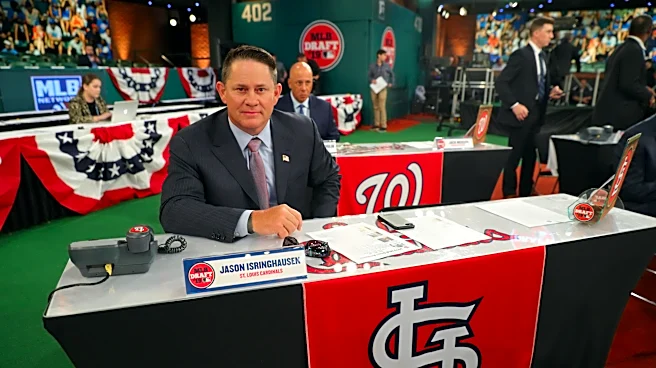
The St. Louis Cardinals are experiencing a growing disconnect between their front office's long-term development strategy and the immediate win expectations of their fanbase. According to lead baseball writer Derrick Goold, the team is prioritizing future
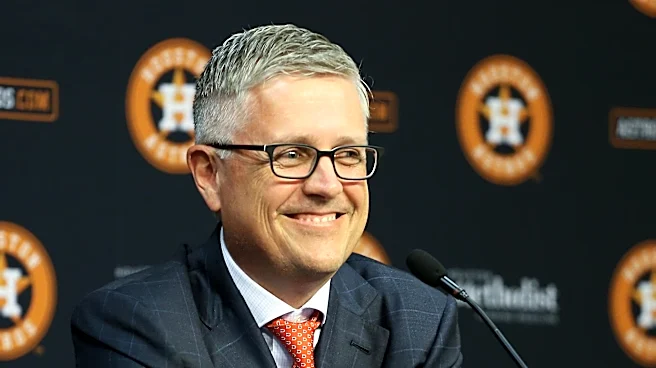
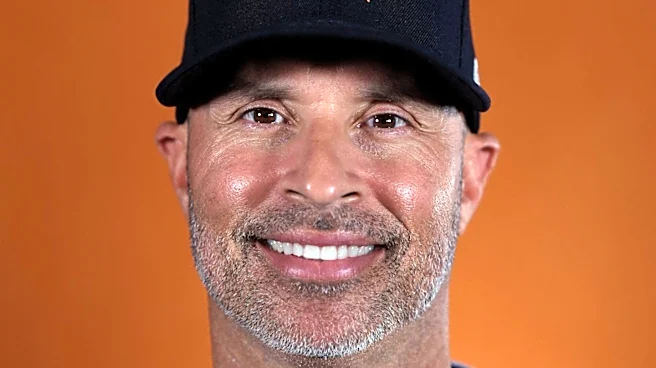
growth over quick victories, a shift that is causing tension with supporters. This strategic pivot is evident in recent personnel changes, such as the departure of assistant general manager Randy Flores to the Houston Astros, and the hiring of Joel McKeithan as the new hitting coach. McKeithan's appointment is part of a broader effort to bring in coaches who can develop a younger roster, rather than focusing on short-term fixes. The organization aims to introduce new voices to avoid stagnation and build for sustained success, even if it means sacrificing immediate on-field results. This approach is further complicated by financial challenges, including declining Regional Sports Network revenue, which limits the team's spending capacity and adds to fan frustration.
Why It's Important?
This strategic shift by the St. Louis Cardinals has significant implications for the team's relationship with its loyal fanbase and its long-term competitive standing in Major League Baseball. The prioritization of long-term development over immediate wins, while potentially beneficial for future stability, risks alienating fans who primarily measure success by the win column. This disconnect could lead to decreased fan engagement, lower attendance, and reduced merchandise sales, impacting the team's revenue streams. Furthermore, the financial pressures from declining Regional Sports Network revenue highlight a broader economic challenge facing MLB teams, potentially influencing player salaries, team investments, and the overall financial health of the league. The Cardinals' situation serves as a case study for how professional sports franchises navigate the balance between financial sustainability, competitive aspirations, and fan expectations in a changing economic landscape.
What's Next?
The St. Louis Cardinals' front office will likely continue to implement its long-term development strategy, focusing on nurturing young talent and integrating new coaching philosophies. This may involve further personnel changes and a continued emphasis on player development over aggressive free-agent spending. The team will need to find ways to communicate its vision effectively to the fanbase to mitigate ongoing frustration and maintain support. Addressing the financial challenges, particularly the impact of declining Regional Sports Network revenue, will be crucial. This could involve exploring new revenue streams or adapting spending habits to align with the evolving economic realities of professional baseball. Additionally, broader labor talks within MLB could lead to significant changes in the league's structure and financial model, potentially affecting the Cardinals' ability to execute their long-term plans and further influencing fan sentiment.
Beyond the Headlines
The Cardinals' current situation reflects a deeper trend in professional sports where franchises grapple with the tension between short-term performance demands and long-term organizational health. The ethical dimension involves the responsibility of team ownership and management to both their shareholders (or owners) and their community of fans. While a long-term strategy can be fiscally responsible and ultimately lead to sustained success, the immediate impact on fan morale and loyalty is a critical consideration. This dynamic also highlights the evolving business model of sports, where traditional revenue streams like regional broadcasting are under pressure, forcing teams to innovate in how they generate income and connect with their audience. The cultural significance of a team like the Cardinals, deeply embedded in the identity of St. Louis, means that strategic decisions extend beyond mere business and touch upon community pride and tradition.