






What's Happening?
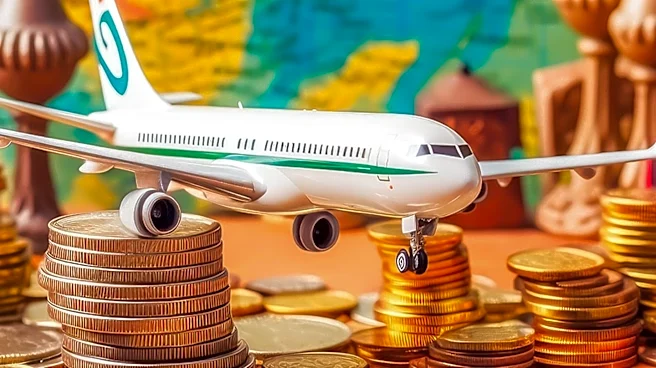
Andrew Levy, CEO of Avelo Airlines, has issued a warning that airfares may increase as fuel prices have reached "uncomfortably high" levels. Levy stated in an interview that the surging fuel costs, partly attributed to the Iran conflict, are creating
significant cost pressures for the ultra-low-cost carrier. He indicated that Avelo Airlines would likely need to pass some of these increased expenses on to consumers. The global average jet fuel price recently rose by 9% in a week, reaching $171.01 per barrel, according to the International Air Transport Association, reflecting concerns over supply disruptions in the Middle East. Despite these rising costs, Levy noted that demand for Avelo's services has remained strong.
Why It's Important?
This warning from Avelo Airlines' CEO is significant for U.S. consumers and the airline industry. For travelers, it signals a potential increase in the cost of air travel, particularly for those who rely on ultra-low-cost carriers for affordable flights. Higher airfares could impact travel plans and discretionary spending, especially for Avelo's target demographic of 'personal travelers' who are sensitive to price changes. For the airline industry, rising fuel costs represent a major challenge to profitability, potentially forcing other carriers to follow suit with fare increases. This situation highlights the vulnerability of airlines to geopolitical events and global energy markets, which can directly affect operational costs and, consequently, consumer prices. The resilience of demand, despite current high fuel prices, suggests that consumers are still willing to travel, but this could change if prices continue to climb.
What's Next?
Avelo Airlines is expected to monitor fuel prices closely and adjust its pricing strategy as needed. Consumers should anticipate potential increases in airfare, particularly for flights booked in the coming months. The airline plans to continue its expansion, including launching commercial service from McKinney National Airport in Texas in November and adding more Boeing 737 aircraft, with Embraer E195-E2 jets joining the fleet in 2028. Other airlines, both ultra-low-cost and full-service, will likely be evaluating their own fuel hedging strategies and pricing structures in response to the sustained high fuel costs. The situation could lead to broader discussions within the industry about fuel efficiency, alternative fuels, and long-term strategies to mitigate the impact of volatile energy markets.
Beyond the Headlines
The current situation with rising fuel prices and potential airfare hikes extends beyond immediate economic concerns, touching upon broader issues of global supply chain stability and geopolitical influence on everyday consumer costs. The reliance on fossil fuels for air travel makes the industry particularly susceptible to international conflicts and disruptions in oil-producing regions. This vulnerability underscores the long-term need for the aviation sector to accelerate its transition to more sustainable and less volatile energy sources. Furthermore, the impact on ultra-low-cost carriers like Avelo highlights the delicate balance between offering affordable travel and maintaining profitability in a high-cost environment, potentially leading to shifts in market dynamics and competitive strategies within the airline industry.





