



What's Happening?
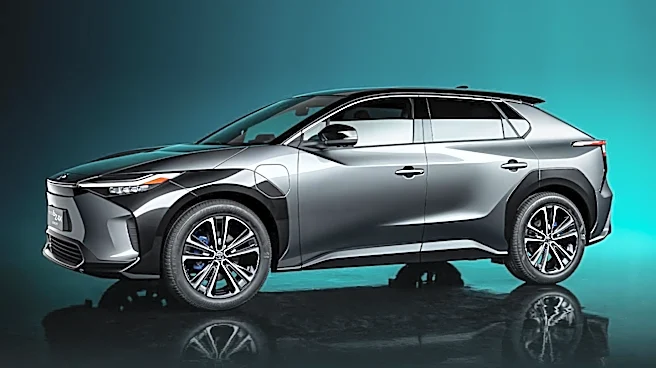
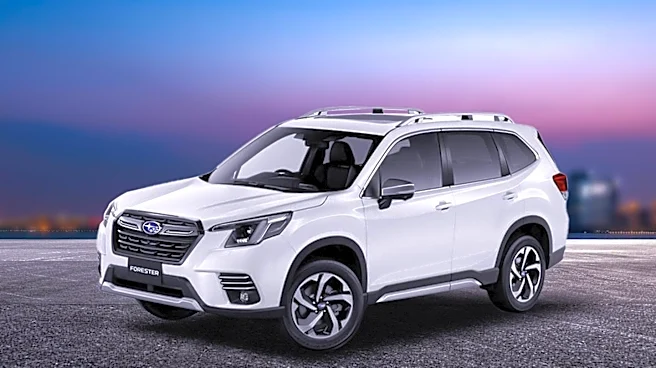
Subaru is experiencing a significant financial impact due to high incentive spending on its new electric vehicles (EVs) in the U.S. market. The company has been offering substantial incentives to boost sales of its electric SUVs, including the Solterra,
Uncharted, and Trailseeker models. Despite selling 11,638 electric vehicles through July, the increased marketing and incentive costs have led to a 44% drop in Subaru's operating profit for the fiscal first quarter. The average spending on incentives for these EVs is significantly higher compared to Subaru's gas-powered vehicles, contributing to a $155 million hit to profits.
Why It's Important?
Subaru's strategy to increase EV sales through high incentives highlights the challenges automakers face in transitioning to electric vehicles. While incentives can drive sales, they also strain profitability, especially when the costs significantly exceed those for traditional vehicles. This situation underscores the financial pressures on automakers to balance the push for electric vehicle adoption with maintaining healthy profit margins. The broader impact on the industry includes potential shifts in pricing strategies, marketing approaches, and the need for cost-effective production methods to sustain the growth of electric vehicle sales.
What's Next?
Subaru may need to reassess its incentive strategy to mitigate the financial impact while continuing to promote its electric vehicle lineup. The company could explore alternative marketing tactics or cost-reduction measures to improve profitability. Additionally, as the electric vehicle market evolves, Subaru and other automakers might focus on developing more competitive pricing models and enhancing vehicle features to attract consumers without relying heavily on incentives. The partnership with Toyota in developing these electric SUVs could also lead to shared strategies for addressing these challenges.