






What's Happening?
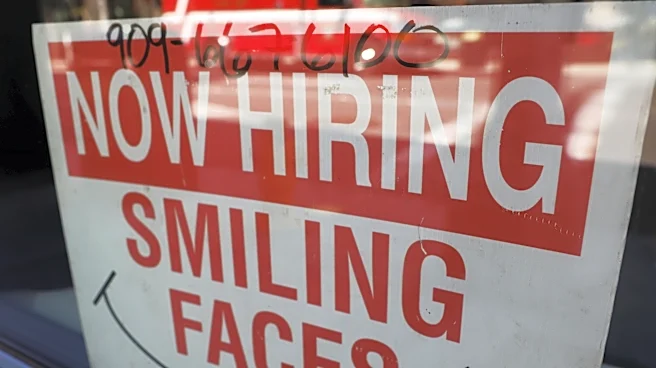
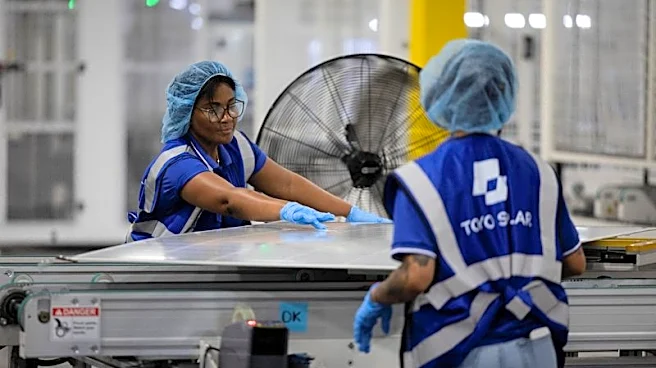
The U.S. job market demonstrated unexpected resilience last month, with employers adding 165,000 new jobs, according to a recent government report. Additionally, job gains for August and September were revised upwards by a combined 84,000 positions, indicating
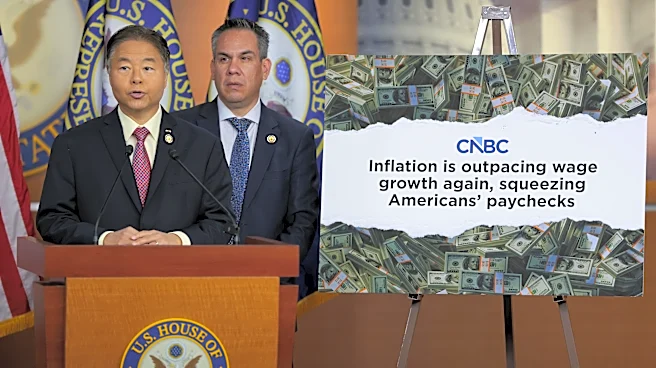
a stronger labor market than previously thought, averaging 137,000 new jobs per month over the last three months. This positive jobs report emerges amidst increasing questions regarding the sustainability of the artificial intelligence (AI) boom and its potential economic impact. Markets experienced significant volatility, with over $2.5 trillion in value lost before a rebound. Diane Swonk, chief economist for KPMG, noted a growing public backlash against AI, driven by fears of job displacement and concerns over the environmental and cost implications of data centers. Despite the fall in the unemployment rate to 4.1 percent, average hourly earnings only rose by 3.1 percent year-over-year, falling short of overall inflation and leading to a loss of purchasing power for many individuals. The underemployment rate, which includes discouraged workers and those in involuntary part-time roles, increased to 7.9 percent, its highest level since July and above pre-pandemic figures. Furthermore, underemployment for new college graduates has reached its highest point since 2020.
Why It's Important?
The current economic landscape presents a dichotomy: a robust job creation environment juxtaposed with underlying anxieties about AI's long-term effects and individual financial stability. The strong job numbers provide a buffer against immediate economic downturns, supporting consumer spending. However, the stagnation in real wages, where earnings fail to keep pace with inflation, means that many Americans are experiencing a decline in their purchasing power, which could dampen consumer confidence and spending over time. The rising underemployment rate, particularly among new college graduates, signals structural issues within the labor market, suggesting that while jobs are being created, they may not always be full-time or adequately compensated. The growing public and market skepticism about the AI boom highlights a potential economic vulnerability. If the AI sector is indeed in a bubble, its eventual correction could have widespread repercussions across financial markets and the broader economy, impacting investment, wealth, and employment stability. The concerns about AI's impact on jobs and the environment also indicate a potential shift in public policy discussions, possibly leading to increased regulation or scrutiny of the tech industry.
What's Next?
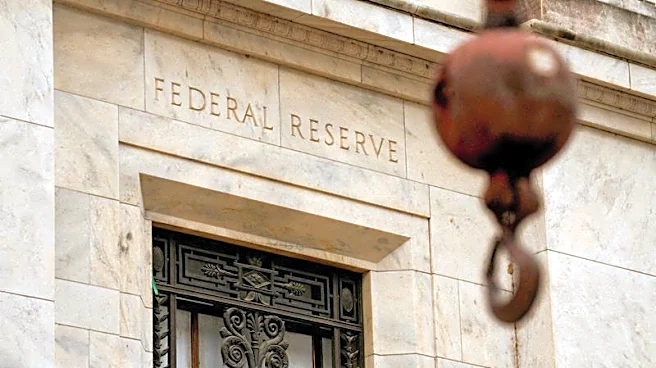
The ongoing debate about the AI boom's sustainability will likely continue to influence market behavior and investor sentiment. Economists and policymakers will closely monitor job reports and inflation data to assess the true health of the economy and the impact of technological advancements. The public backlash against AI, fueled by job loss fears and concerns about data centers, could intensify, potentially leading to increased calls for governmental oversight or new regulations on AI development and deployment. Businesses may face pressure to address these concerns, possibly through retraining programs or clearer communication about AI's role in the workforce. The disparity between job creation and wage growth suggests that the Federal Reserve will continue to face a complex challenge in managing monetary policy, balancing inflation control with supporting sustainable economic growth and real wage increases. The underemployment trend, especially for recent graduates, may prompt discussions around educational alignment with labor market needs and strategies to improve job quality.
Beyond the Headlines
The current economic narrative extends beyond mere job numbers, touching upon fundamental shifts in the nature of work and societal well-being. The disconnect between job growth and stagnant real wages points to a broader issue of wealth distribution and economic inequality, where the benefits of economic expansion are not evenly shared. The AI boom, while driving innovation and wealth for some, also introduces ethical and social dilemmas regarding job displacement and the future of human labor. The public's growing apprehension about AI reflects a deeper societal anxiety about technological progress outpacing human adaptation and control. This could lead to a re-evaluation of societal values, emphasizing human-centric approaches to technology development and economic policy. The environmental concerns associated with data centers also highlight the often-overlooked ecological footprint of the digital economy, potentially sparking a broader conversation about sustainable technological growth and energy consumption. Ultimately, the current situation underscores the need for a holistic approach to economic policy that considers not only growth metrics but also social equity, environmental sustainability, and the long-term well-being of the workforce.