


What's Happening?
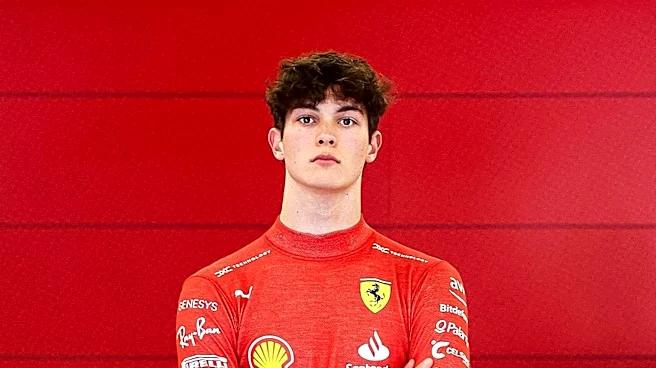
Oliver Bearman, a driver for Haas as part of a multi-year loan deal from Ferrari, is currently in a contract standoff with Haas regarding his future for the 2027 Formula 1 season. Juan Pablo Montoya has indicated that the delay in finalizing a new contract is due
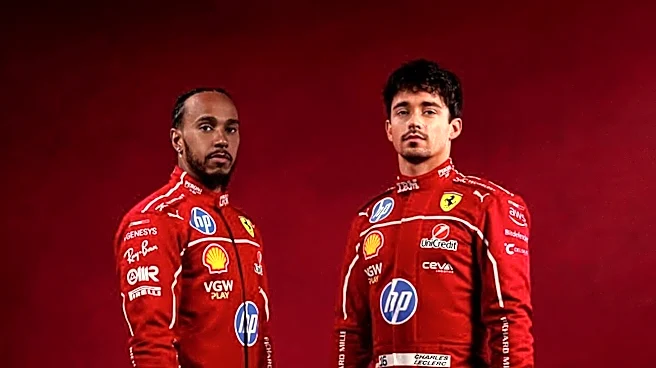
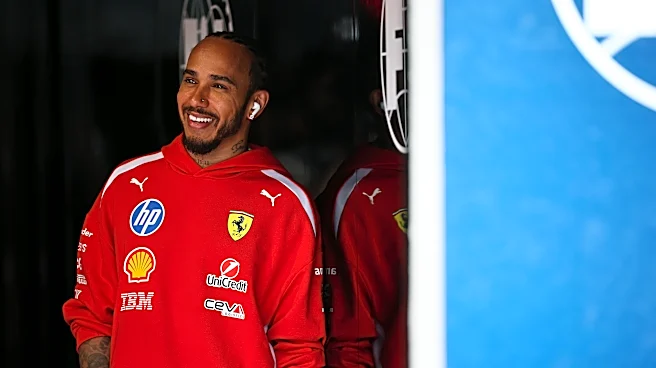
to Bearman's salary demands and his desire for Ferrari to guarantee him a seat for 2028. Bearman has expressed disappointment that a contract for 2027 has not yet been sorted. While both Haas and Bearman are keen to continue their collaboration, key issues remain unresolved. Bearman is reportedly seeking to be paid to drive for Haas, rather than bringing in sponsorship money, which represents a significant financial shift for the team owner, Gene Haas. Ferrari's current driver lineup, with Charles Leclerc signed until 2030 and Lewis Hamilton until 2027 (with a potential extension), complicates Bearman's path to a Ferrari seat.
Why It's Important?
This contract dispute highlights the complex financial and strategic considerations in Formula 1 driver agreements, particularly for young talents on loan from larger teams. For Haas, the shift from a driver bringing in sponsorship to one demanding a salary represents a substantial financial impact, potentially affecting team budgets and future investment decisions. For Oliver Bearman, securing a guaranteed future with Ferrari is crucial for his career progression, but the current contractual commitments of Leclerc and Hamilton make this difficult. The situation also underscores the power dynamics between junior drivers, their parent academies (like Ferrari), and customer teams (like Haas). The outcome of these negotiations could set a precedent for how young drivers are valued and contracted within the sport, influencing talent development pathways and team financial models.
What's Next?
Expectations are growing that Haas will confirm Oliver Bearman for 2027 within the next seven days, suggesting an imminent resolution to the contract standoff. However, the core issues of Bearman's salary demands and Ferrari's inability to guarantee a 2028 seat remain. If the negotiations continue to drag on, as Juan Pablo Montoya suggests, the situation could become more complicated, potentially leading to a breakdown in talks. The resolution will likely involve a compromise on salary or a clearer understanding of Bearman's long-term prospects with Ferrari. The outcome will also be closely watched by other young drivers and teams, as it could influence future contract negotiations and driver market dynamics in Formula 1.
Beyond the Headlines
The contract dispute involving Oliver Bearman delves into the ethical and practical challenges of driver development programs in Formula 1. Ferrari's strategy of loaning out promising talents to customer teams like Haas provides valuable experience but creates complex contractual dependencies. The tension between a driver's ambition for a top-tier seat and the financial realities of smaller teams is a recurring theme. This situation also touches upon the broader economic model of F1, where driver salaries and sponsorship contributions play a significant role in team viability. The long-term implications could include a re-evaluation of how driver academies manage their talent, potentially leading to more structured pathways or alternative financial arrangements to ensure both driver progression and team sustainability. The influence of established drivers like Lewis Hamilton on the future grid also highlights the generational shifts and competitive pressures within the sport.