







What's Happening?
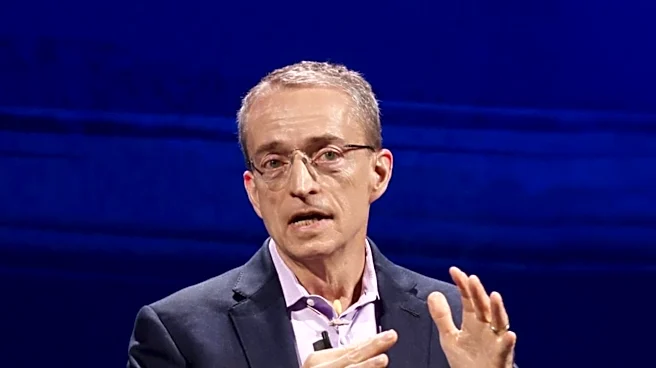
Intel's CEO has initiated significant changes to the company's management structure, aiming to streamline operations and improve efficiency. The number of vice presidents has been reduced from approximately 450 to around 200, and the management layers
have been cut from 12 to six. These strategic adjustments are intended to address cultural issues that have historically hindered the company's progress and decision-making speed. The CEO has also focused on increasing Intel's gross margins and introduced a 'Rule of 45' framework to balance revenue growth with operating margins. This restructuring is part of a broader effort to make the organization flatter, leaner, and faster, which is seen as a trend in healthy, large organizations.
Why It's Important?
This management overhaul at Intel is crucial for its competitive standing in the technology sector. By reducing management layers and the number of vice presidents, Intel aims to accelerate decision-making processes and enhance execution, which are vital in the fast-paced semiconductor industry. The 'Rule of 45' framework signifies a commitment to financial discipline, balancing aggressive growth with sustainable profitability. This move could lead to a more agile and responsive Intel, better equipped to innovate and compete with rivals. The success of this restructuring could serve as a model for other large corporations grappling with bureaucratic inefficiencies, potentially influencing broader corporate governance and organizational design trends in the U.S. business landscape.
What's Next?
The immediate focus for Intel will be on integrating the new, streamlined management structure and ensuring that the reduced layers do not negatively impact employee morale or create a loss of trust. The company will need to demonstrate how these changes foster new opportunities for talented individuals within a flatter hierarchy. Monitoring the impact on Intel's stock performance and market share will be key indicators of the restructuring's success. Competitors and industry analysts will closely watch how these changes translate into tangible improvements in product development, market responsiveness, and financial results. The long-term success will depend on Intel's ability to maintain innovation and market leadership with its new operational model.
Beyond the Headlines
The restructuring at Intel highlights a broader shift in corporate philosophy towards flatter organizational structures, even in large, established companies. This move challenges traditional hierarchical models where titles and status are deeply ingrained, raising questions about career progression and identity within such organizations. The ethical challenge lies in implementing these changes without alienating employees or diminishing their sense of value. Culturally, it signifies a move towards greater accountability and potentially more direct communication channels. If successful, this could set a precedent for how large U.S. corporations manage talent and structure their operations in an increasingly dynamic global economy, emphasizing agility and efficiency over traditional command-and-control structures.