

What's Happening?
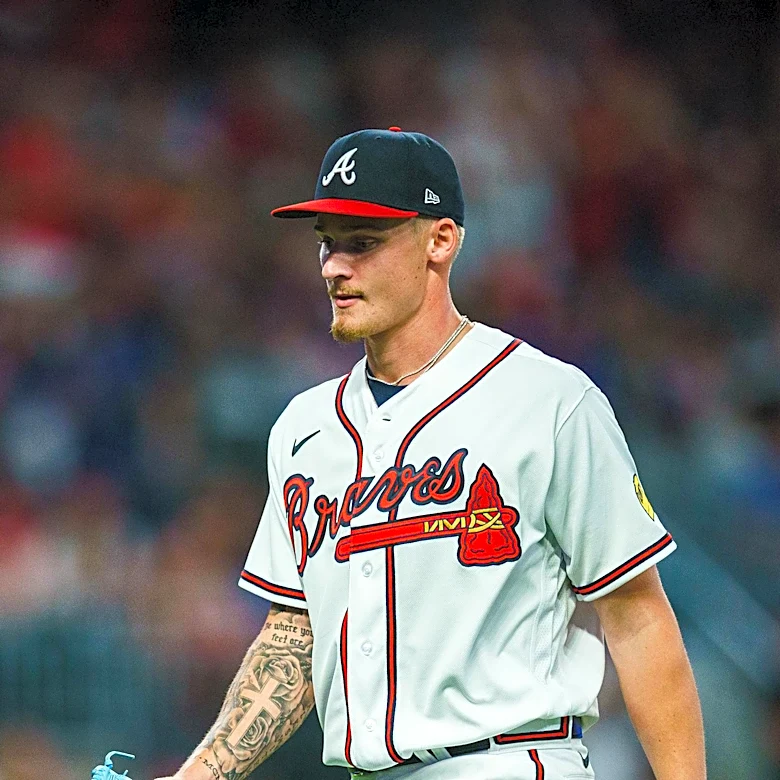
The New York Yankees are reportedly considering trading Heliot Ramos, a right-handed hitting corner outfielder, following his acquisition at the trade deadline. Ramos is currently slated for a bench role with the team. This consideration comes as the Yankees assess
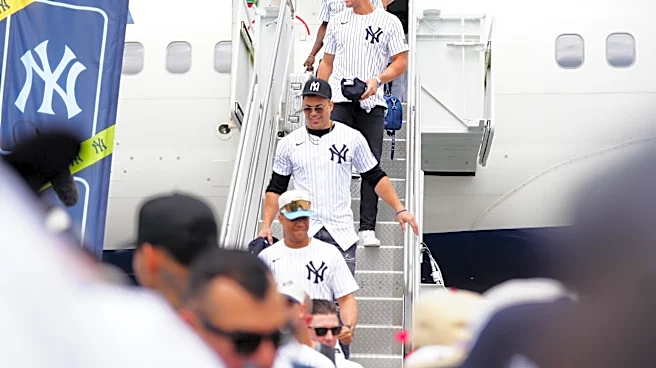
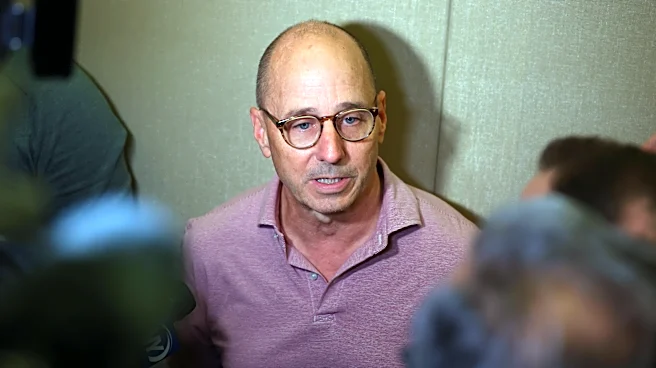
their roster, particularly their outfield and designated hitter positions. General Manager Brian Cashman has stated that Giancarlo Stanton will remain on the roster, occupying some designated hitter at-bats, alongside Aaron Judge. The team also has two primary first basemen, Ben Rice and Luis García Jr., further complicating playing time for Ramos. The Yankees' interest in other players, such as Randy Arozarena, also suggests a potential reshuffling of their outfield options, despite Arozarena's high cost and the team's existing roster constraints.
Why It's Important?
The potential trade of Heliot Ramos highlights the Yankees' ongoing efforts to optimize their roster and address specific needs, particularly in their batting lineup and outfield depth. For Ramos, a trade would represent another shift in his career, potentially offering him a new opportunity to secure a more consistent role with another team after a disappointing period with the Yankees. For the Yankees, moving Ramos could free up a roster spot and potentially acquire assets that better fit their immediate strategic goals, such as a right-handed hitting catcher or an infielder. This decision reflects the competitive nature of professional baseball and the constant evaluation of player performance and roster fit, impacting both individual players' careers and the team's overall championship aspirations.
What's Next?
The Yankees will likely continue to evaluate their roster during the offseason and into Spring Training. Discussions regarding a potential trade for Heliot Ramos could intensify as other teams assess their own needs. The team's pursuit of other free agents or trade targets, such as Randy Arozarena, will also influence their decisions regarding existing players like Ramos. If Ramos is traded, the Yankees would aim to acquire players or prospects that address their identified weaknesses. If he remains, he would compete for a bench role, needing to demonstrate improved performance to secure a more significant position on the team. The outcome will depend on market interest in Ramos and the Yankees' ability to find a suitable trade partner.
Beyond the Headlines
The situation with Heliot Ramos underscores the high-stakes environment of professional sports, where player value and roster fit are constantly scrutinized. For players acquired at the trade deadline, there's immense pressure to perform immediately, and a failure to meet expectations can quickly lead to being deemed expendable. This dynamic also reflects the strategic complexities faced by front offices, balancing player development, salary cap considerations, and the pursuit of championship-caliber talent. The decision to potentially trade Ramos, despite his recent acquisition, illustrates a pragmatic approach to roster management, prioritizing immediate team needs over past investments if a player doesn't integrate as expected. This constant churn of players can have significant psychological and professional impacts on athletes, who must adapt to new teams and expectations frequently.