





What's Happening?
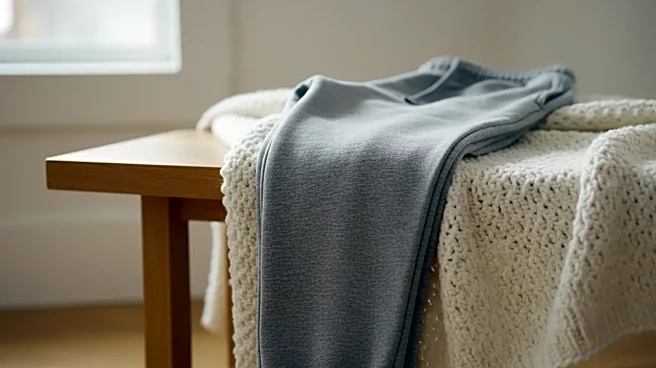
A recent comparison between CRZ Yoga's Butterluxe leggings and Lululemon's Align leggings highlights key differences in price, fabric, and durability. While both brands offer soft, stretchy activewear, CRZ Yoga's Butterluxe fabric is noted as slightly
thicker than Lululemon's Align, making it less ideal for heated workouts. The price difference is significant, with CRZ Yoga leggings typically costing around $30, compared to Lululemon's Align leggings which can exceed $100. However, the price gap for sports bras is narrower, with CRZ Yoga's around $30 and Lululemon's ranging from $40 to $60. Lululemon also offers discounted items through its 'We Made Too Much' section. The fabric composition, while appearing similar with 81% nylon/polyamide and 19% Lycra/elastane, differs in feel due to variations in material processing and construction. Lululemon generally demonstrates superior durability over time, with CRZ Yoga items showing more signs of wear, such as fading and minor pilling, after several months of regular use.
Why It's Important?
This comparison is important for U.S. consumers in the activewear market, offering insights into value and performance. The significant price disparity between CRZ Yoga and Lululemon leggings means consumers can make more informed purchasing decisions based on their budget and priorities. For those seeking more affordable options or looking to experiment with new colors and styles without a large investment, CRZ Yoga presents a compelling alternative. Conversely, consumers prioritizing long-term durability and a lighter fabric feel for intense workouts may find Lululemon's higher price point justified. This dynamic influences consumer spending habits and brand loyalty within the competitive U.S. activewear industry. The findings also highlight the nuances of fabric technology, demonstrating that similar fiber percentages do not always equate to identical product experiences, which can impact consumer expectations and satisfaction.
What's Next?
Consumers will likely continue to weigh the trade-offs between cost and quality when purchasing activewear. The detailed comparison may encourage more consumers to explore CRZ Yoga as a budget-friendly option, potentially increasing its market share in the U.S. Conversely, Lululemon may continue to appeal to those willing to invest in perceived higher durability and specific fabric characteristics. Both brands may adapt their strategies based on consumer feedback and market trends, with Lululemon potentially emphasizing its durability and premium feel, and CRZ Yoga focusing on its affordability and wider color selection. The ongoing evolution of activewear technology and consumer preferences will continue to shape product development and marketing efforts in this sector.
Beyond the Headlines
Beyond the immediate purchasing decisions, this comparison touches upon broader trends in consumer culture, particularly the balance between fast fashion and sustainable consumption. The lower price point and quicker wear-and-tear of CRZ Yoga products might align with a more trend-driven, disposable approach to clothing, while Lululemon's higher durability could appeal to consumers seeking longer-lasting wardrobe staples. This also highlights the impact of brand perception and marketing; Lululemon has cultivated a premium image, while CRZ Yoga is gaining traction as a more accessible alternative. The discussion around fabric composition, specifically the distinction between nylon and polyamide, underscores the complexity of textile science and how subtle differences can significantly affect product performance and consumer experience, influencing how brands communicate their material innovations.