



What's Happening?
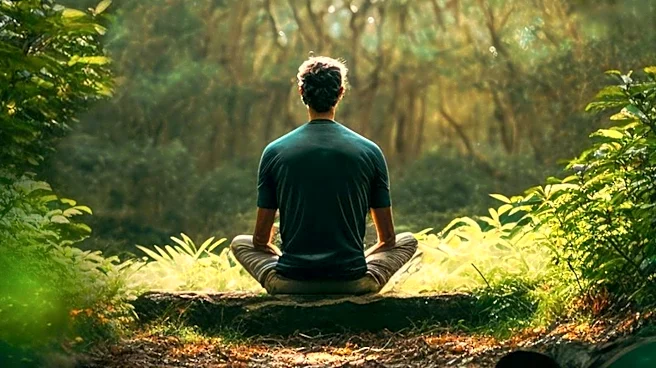
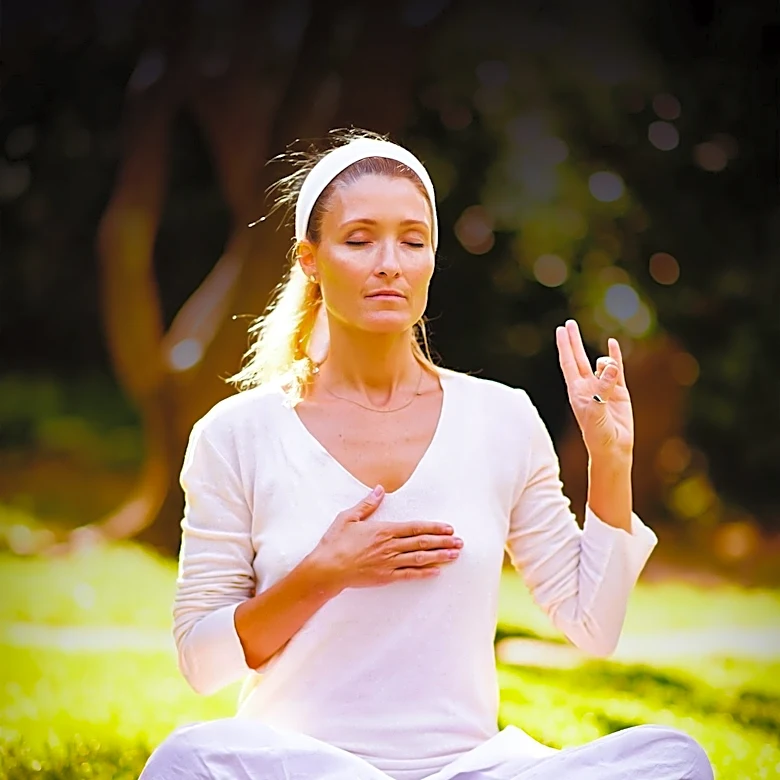
Snug Harbor Cultural Center on Staten Island is offering a series of 'Forest Bathing Nature Therapy' sessions, also known as Shinrin-Yoku, a Japanese practice focused on reconnecting with nature for mental health and wellness. These in-person walks guide
participants through meditative and mindful invitations, encouraging them to engage their senses with the subtle beauty of their surroundings. The sessions aim to reduce stress and anxiety, induce calm and clarity, increase creativity, and help individuals refocus and refresh. The events are scheduled on various dates, including April 18, May 3, June 13, September 5, October 3, and October 31, from 9:30 AM to 11:30 AM. Participants will meet at the RCSF Tuscan Garden before proceeding to the forest and Healing Garden on the south side of Snug Harbor. Admission is $40.00 for general attendees, students, and seniors.
Why It's Important?
The increasing popularity of practices like forest bathing in U.S. cultural centers highlights a growing societal recognition of the importance of mental health and the therapeutic benefits of nature. As urban populations face rising stress levels and disconnection from natural environments, programs like these offer accessible and structured ways to improve well-being. For individuals, participating in Shinrin-Yoku can lead to tangible benefits such as reduced stress, enhanced mood, and improved cognitive function. For institutions like Snug Harbor, offering such programs positions them as vital community resources for holistic health, potentially attracting new visitors and fostering a deeper appreciation for their natural spaces. This trend also reflects a broader shift in wellness, moving beyond traditional medical approaches to incorporate complementary therapies rooted in environmental engagement, which could influence public health initiatives and urban planning to prioritize green spaces.
What's Next?
Snug Harbor will continue to host these forest bathing sessions on the specified dates, providing ongoing opportunities for community members to engage with nature therapy. The success and attendance of these events may influence the expansion of similar wellness programs at Snug Harbor and other cultural or natural centers across the U.S. Organizers will likely monitor participant feedback to refine future offerings and potentially introduce new nature-based therapeutic activities. The continued promotion of Shinrin-Yoku could also encourage local health organizations and employers to consider integrating nature therapy into their wellness programs, further mainstreaming this practice as a tool for stress reduction and mental well-being. Additionally, the visibility of these events might inspire more research into the specific benefits of urban forest bathing, contributing to a deeper scientific understanding of its impact.
Beyond the Headlines
The integration of Shinrin-Yoku into U.S. cultural institutions like Snug Harbor points to a deeper cultural shift towards valuing ecological connection as a fundamental aspect of human health. This movement challenges the traditional separation between human society and the natural world, advocating for a more symbiotic relationship. Ethically, it raises questions about equitable access to green spaces and nature-based therapies, particularly for underserved communities who may benefit most from stress reduction and mental health support. Legally, as the practice gains traction, there might be a need for certifications or guidelines for forest therapy guides and designated 'healing forests' to ensure safety and efficacy, similar to those seen in other countries. Culturally, it signifies a re-evaluation of ancient wisdom and indigenous practices that emphasize harmony with nature, bringing them into contemporary wellness paradigms and potentially fostering a greater sense of environmental stewardship among participants.