






What's Happening?
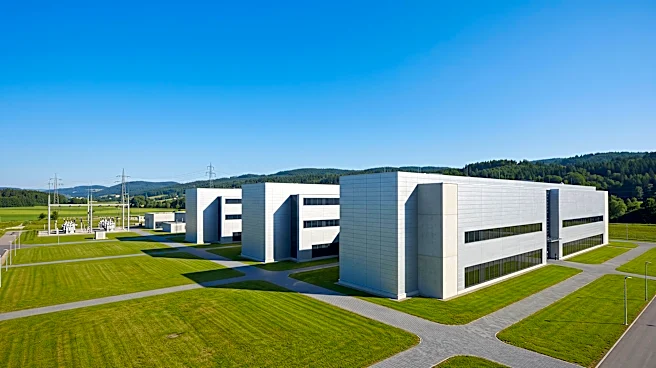
A former racetrack in western Pennsylvania, the Pittsburgh International Race Complex (Pitt Race), is being considered for redevelopment into a three-building data center campus. Las Vegas-based developer Switch has initiated the local approval process
for the 384-acre site in Big Beaver Borough. The property was sold in March for $50 million after ceasing operations the previous year. The proposed campus would feature hundreds of industrial chillers, 72 emergency generators, and a direct connection to high-voltage transmission lines. A Big Beaver Borough Planning Committee meeting is scheduled for August 27 to review the project. Project documents indicate the campus would connect to public water and sewer services, projecting approximately 9,000 gallons of water usage daily for typical operations, with a closed-loop cooling system for computing equipment. FirstEnergy is slated to build a switching station to integrate with existing 345-kilovolt lines on the property, aiming to minimize impact on current power infrastructure. Switch has stated it does not intend to use natural gas to power the facilities.
Why It's Important?
This proposed data center development signifies a broader trend of repurposing large commercial and recreational properties for digital infrastructure, driven by the escalating demand for data storage and computing power. The availability of existing power access at such sites makes them attractive for developers. The project highlights the rapid expansion of the digital economy and its physical footprint, transforming land use patterns. For local communities like Big Beaver Borough, such developments bring potential economic benefits through investment and job creation, but also raise concerns. Residents have expressed worries about increased traffic, noise pollution, water consumption, and the testing of emergency generators. There are also broader implications regarding potential strain on local utilities, higher energy costs, and security risks if development outpaces adequate planning and infrastructure upgrades. The project's reliance on existing high-voltage lines underscores the critical role of energy infrastructure in supporting the growth of the tech sector.
What's Next?
The immediate next step is the Big Beaver Borough Planning Committee meeting scheduled for August 27, where the project proposal will be considered. This meeting will be crucial for assessing local concerns and the developer's plans. Following this, the project will likely proceed through various stages of local and potentially state-level regulatory approvals, including environmental impact assessments and utility agreements. Community engagement and public hearings may also be part of the process, allowing residents to voice their concerns and influence project modifications. If approved, construction would commence, leading to significant infrastructure development on the site. The project's progression will also set a precedent for how similar shuttered properties in the region might be repurposed for data infrastructure, influencing future land use decisions and economic development strategies in western Pennsylvania.
Beyond the Headlines
The transformation of a former racetrack into a data center campus reflects a fundamental shift in economic priorities and land valuation. As traditional industries and entertainment venues face evolving market conditions, properties with extensive land and existing utility access become prime targets for the burgeoning digital economy. This trend raises questions about the long-term balance between preserving recreational spaces and accommodating the demands of technological advancement. Ethically, it prompts discussions on the environmental footprint of data centers, particularly their energy and water consumption, even with claims of not using natural gas and employing closed-loop cooling. The reliance on high-voltage transmission lines also highlights the increasing energy demands of the digital age and the need for robust, sustainable power grids. Culturally, it marks a transition from physical gathering spaces to digital infrastructure hubs, altering the landscape and character of communities. The project's success or challenges could influence future zoning laws and development policies concerning large-scale industrial conversions.