








What's Happening?
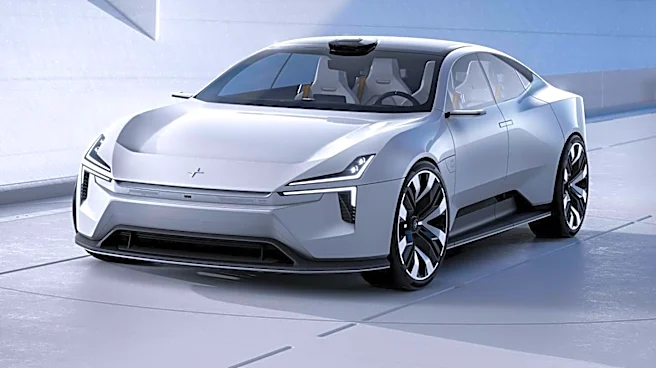
Polestar, a vehicle brand developed by a Chinese company, has announced record sales of 30,423 units in the first half of 2026. Despite this success, the company faces a significant challenge as it will no longer be allowed to sell its vehicles in the U.S.
starting with the 2027 model year. This decision follows the U.S. Commerce Department's refusal to grant Polestar an exemption from a new rule affecting vehicles with connected software developed by Chinese companies. While the U.S. market does not constitute a large portion of Polestar's sales, it has been a valuable market for the brand. The company has emphasized its continued growth in other key markets, including the UK, Germany, South Korea, and the Iberia region.
Why It's Important?
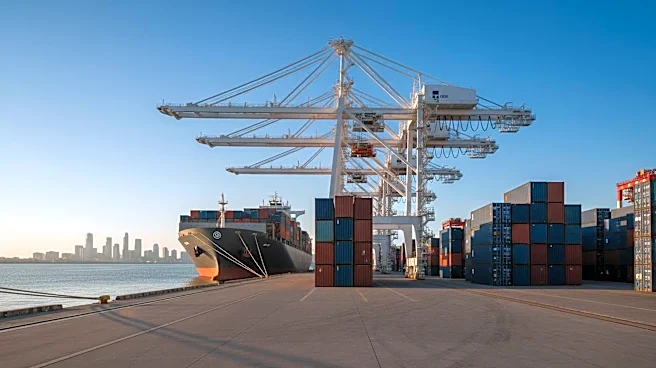
The U.S. market exit represents a significant regulatory challenge for Polestar, highlighting the broader geopolitical tensions affecting international trade and technology. The decision underscores the increasing scrutiny on Chinese technology in the U.S., which could impact other companies with similar ties. For Polestar, losing access to the U.S. market could limit its growth potential and influence its strategic decisions, such as focusing more on expanding in other regions. This development also reflects the ongoing complexities in global trade relations, particularly between the U.S. and China, and could influence future policies affecting international automotive and technology sectors.
What's Next?
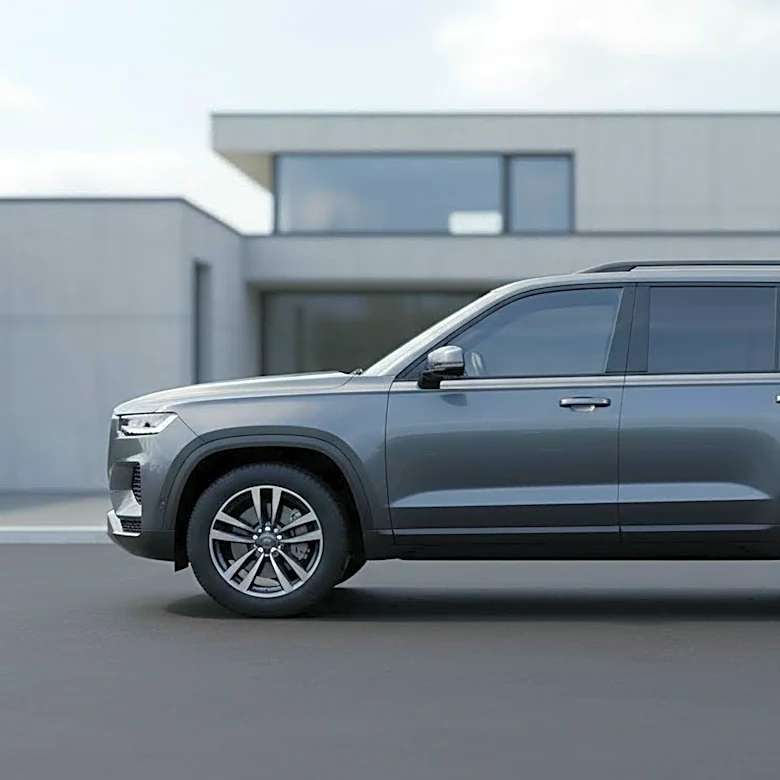
Polestar plans to continue its expansion in other international markets, with new model launches and increased retail presence. The company is set to begin customer deliveries of the Polestar 5 and start production of the Polestar 4 SUV, with first deliveries expected in the fourth quarter. As Polestar navigates these changes, it will likely focus on strengthening its presence in markets outside the U.S. and adapting its strategies to comply with varying international regulations. The broader industry will be watching how Polestar and similar companies adjust to these regulatory challenges and what this means for future trade policies.