

What's Happening?
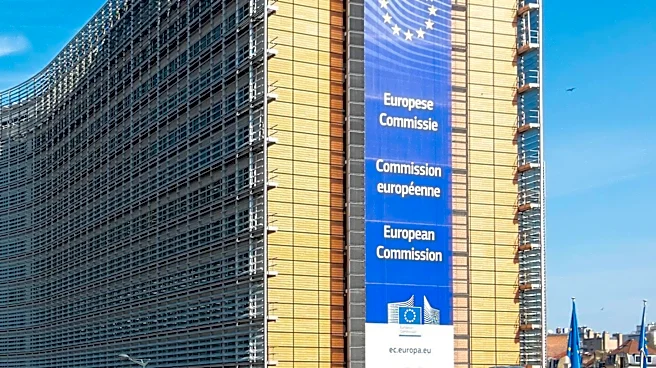
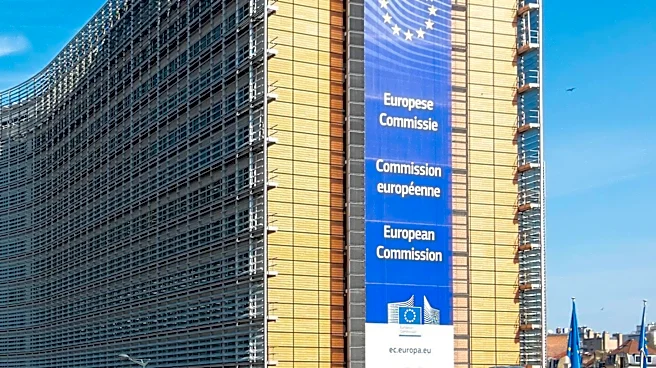
Several Southeast European (SEE) member states of the European Union, including Bulgaria, Romania, Croatia, and Hungary, are opposing the European Commission's proposals to favor electricity over gas through taxation and common grid-charge regulations.
This resistance stems from a desire for national control over energy pricing and the pace at which national systems can integrate new policies. These SEE countries argue that their grids vary significantly in generation mix, investment needs, cross-border congestion, and the proportion of regulated customers. Consequently, their governments seek the flexibility to tailor tariffs and taxes to their specific domestic conditions rather than adhering to a uniform EU framework. The issue of grid charges is particularly sensitive due to accelerating network investments, with Bulgaria alone reporting over €182 million in transmission investment in 2026, and other nations undertaking substantial renewable, storage, or interconnection projects.
Why It's Important?
This disagreement highlights a broader tension within the EU regarding the balance between centralized policy-making and national sovereignty in critical sectors like energy. For the U.S., this internal EU debate is important as it affects the stability and predictability of the European energy market, a key trading partner and geopolitical ally. The outcome of this dispute could influence the competitiveness of U.S. businesses operating in or with these European markets, particularly those involved in energy infrastructure, technology, or related industries. Furthermore, the approach taken by the EU on energy policy has implications for global climate goals and the transition to cleaner energy sources, areas where the U.S. has significant interests. The resistance from SEE countries underscores the economic and social challenges of rapid energy transition, especially for nations with lower incomes and substantial industrial demand, potentially impacting their economic growth and stability.
What's Next?
The most probable outcome is a differentiated transition, where member states will continue to support electrification but will seek greater flexibility in the pace, tariff structures, and the distribution of costs among households, industries, and public budgets. This suggests ongoing negotiations and potential compromises within the EU to accommodate the diverse economic and infrastructural realities of its members. The debate will likely continue to focus on who bears the costs of grid expansion and how quickly these costs are reflected in consumer tariffs. The U.S. will likely monitor these developments closely, as they could impact energy security, trade relations, and investment opportunities in the European market. The push for national control could also set precedents for other policy areas within the EU, influencing the bloc's overall cohesion and decision-making processes.
Beyond the Headlines
Beyond the immediate policy dispute, this resistance reveals deeper questions about economic equity and social justice within the EU's energy transition. The concern over shifting costs between electricity and gas, and its potential impact on household bills and industrial competitiveness, highlights the social contract between governments and their citizens regarding essential services. For the U.S., understanding these internal European dynamics is crucial for effective diplomacy and economic engagement. It also offers insights into the complexities of implementing large-scale environmental policies in diverse economic landscapes. The tension between policy aspirations for faster electrification and the practical, expensive realities of physical system upgrades points to a universal challenge in climate action: how to fund and fairly distribute the costs of transitioning to a sustainable future without disproportionately burdening certain populations or regions.