





What's Happening?
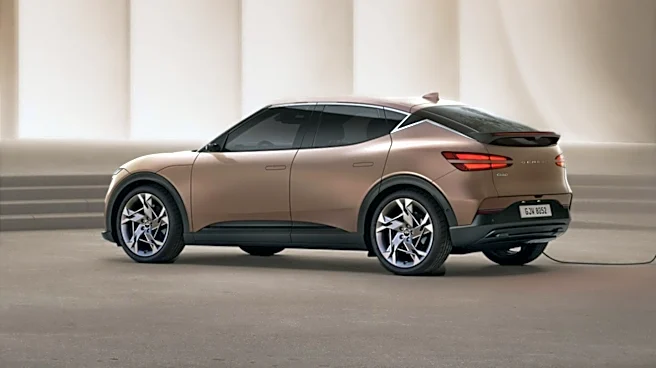
Genesis has introduced the 2027 GV60 Magma, a new addition to its performance subbrand, Magma. This vehicle is part of Genesis's strategy to expand its lineup with high-performance models, similar to Volkswagen's R and BMW's M series. The GV60 Magma features
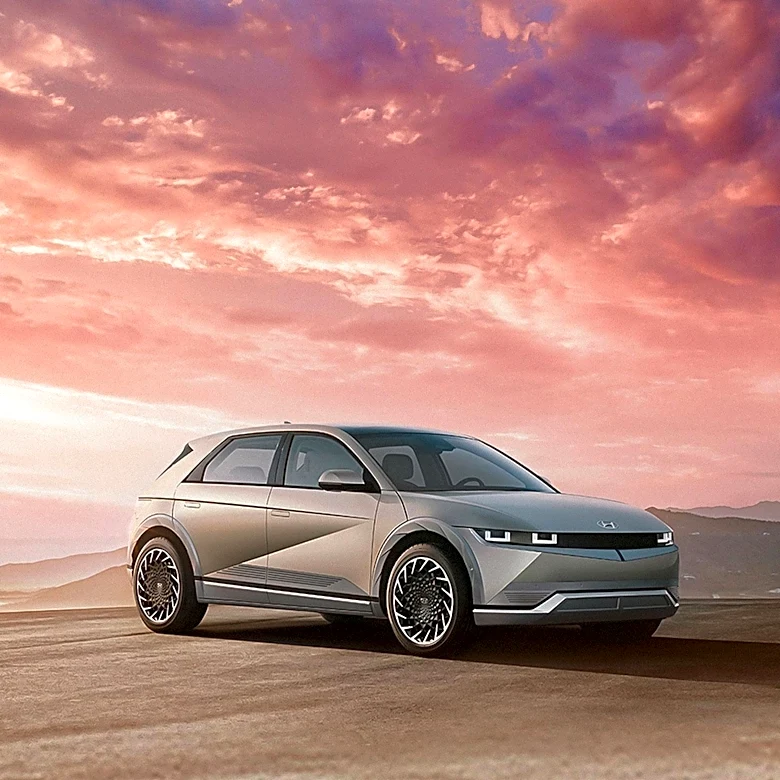
a dual-motor setup with a combined output of 641 horsepower, utilizing a time-limited Boost mode for enhanced performance. The vehicle shares its platform with the Hyundai Ioniq 5 and Kia EV6, but offers unique features such as a shorter wheelbase and a distinctive soundtrack mimicking a V-6 engine. The GV60 Magma is expected to be available in the U.S. market by late fall, with an estimated price of $80,000.
Why It's Important?
The introduction of the GV60 Magma marks Genesis's commitment to establishing itself as a key player in the luxury performance vehicle market. By leveraging the existing platform of the Hyundai Ioniq 5, Genesis can offer a high-performance vehicle with advanced features at a competitive price point. This move is significant as it aligns with the growing consumer demand for electric vehicles (EVs) that do not compromise on performance. The GV60 Magma's entry into the market could influence other automakers to enhance their EV offerings, potentially accelerating the shift towards electric mobility. Additionally, the vehicle's compatibility with the Tesla Supercharger network highlights the importance of charging infrastructure in the adoption of EVs.
What's Next?
As Genesis prepares to launch the GV60 Magma, the company will likely focus on marketing strategies to position the vehicle as a desirable option for performance enthusiasts. The success of the GV60 Magma could lead to the development of additional models under the Magma subbrand, further expanding Genesis's presence in the luxury EV market. The company may also explore opportunities to enhance its charging infrastructure partnerships to improve the convenience of owning an EV. As the automotive industry continues to evolve, Genesis's approach to combining luxury, performance, and sustainability could set a new standard for future vehicle development.