




What's Happening?
Novotel, a mid-market hotel brand under Accor, has launched its 'Longevity Everyday' vision, a new operational model aimed at embedding practical wellbeing habits into its roughly 630 hotels worldwide. This initiative moves beyond traditional luxury wellness
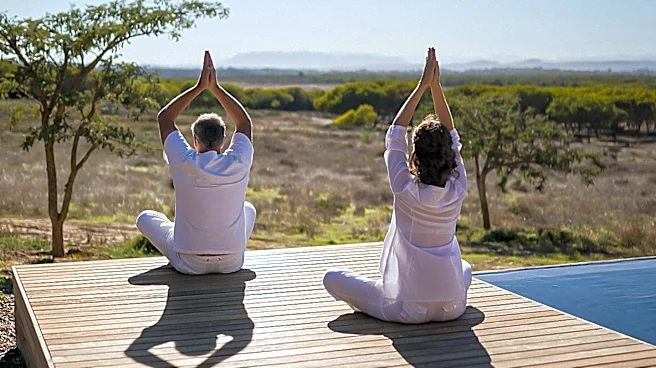
retreats to make longevity accessible to a broader range of travelers, including family-focused professionals. The program is structured around four core pillars: Sleep, Eat, Move, and Meet, each designed to enhance guest wellbeing through existing hotel functions. For instance, the Sleep pillar involves upgrading bedding standards and providing sleep guidance, while the Eat pillar focuses on offering at least 25% plant-forward options on menus by the end of 2026. The Move pillar leverages existing pools and gyms with expanded programming and partnerships, and the Meet pillar incorporates movement breaks and healthy food options into meetings and family experiences. This strategy emphasizes small, consistent decisions that guests can integrate into their daily lives, both during their stay and after they check out.
Why It's Important?
This initiative is significant as it democratizes wellness, making longevity practices accessible to mainstream travelers rather than confining them to luxury segments. For the U.S. hospitality industry, Novotel's approach could set a new standard, influencing other mid-market brands to integrate similar wellbeing frameworks. This shift addresses a growing consumer demand for healthier lifestyles, with Accor research indicating that one in three individuals takes daily steps to improve their mental or physical wellbeing, and 68% of working adults globally desire a better work-life balance. By focusing on practical, everyday habits, Novotel aims to attract and retain guests who prioritize health and sustainability. This could lead to increased guest satisfaction, loyalty, and potentially higher occupancy rates, as travelers seek accommodations that support their holistic wellbeing goals. The program also has implications for employee training, supply chain management (e.g., sustainable food sourcing), and the overall guest experience, potentially driving innovation across the sector.
What's Next?
Novotel plans to roll out elevated bedding standards and new eco-conceived premium beds across its global network through 2030, supported by practical sleep guidance. By the end of 2026, the brand aims to have at least 25% plant-forward options across its hotel menus. Culinary teams will continue to benefit from Culinary Institute of America training, and the brand's partnership with the World Wildlife Fund will further sustainable seafood principles and traceability. The 'Longevity Everyday' vision will also be supported by the Novotel 37 Collective, a community of experts who will provide practical content and on-property experiences. The inaugural Longevity Week, held during the 37th week of the year, will feature expert-led sessions and hotel experiences focused on the four pillars. This ongoing engagement aims to foster lasting habits among guests, extending the brand's influence beyond the duration of their stay.
Beyond the Headlines
The 'Longevity Everyday' program represents a deeper shift in the hospitality industry's understanding of guest needs, moving from merely providing amenities to actively promoting sustained wellbeing. This initiative highlights a growing recognition that modern professionals view themselves as 'corporate athletes' who need to manage rest, nutrition, movement, and social connection to perform sustainably. The ethical implication is that hotels are taking on a more proactive role in public health, encouraging healthier choices that can have long-term benefits for individuals. Culturally, it reflects a broader societal trend towards preventative health and a more holistic view of wellness, where daily habits are seen as crucial for a longer, more vibrant life. This could lead to a re-evaluation of hotel design, service offerings, and marketing strategies across the industry, emphasizing not just comfort and convenience, but also the potential for personal growth and health improvement during travel.