
What's Happening?
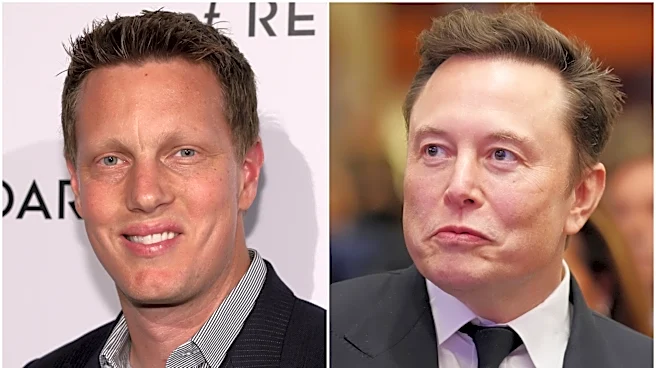
David Ellison, CEO of Skydance, the conglomerate formed by the merger of Paramount and Warner Bros. Discovery, is facing scrutiny over his management style, particularly concerning a series of executive
dismissals. According to a report by Vulture, former executives and sources close to the company are questioning the manner in which Ellison has handled these terminations. Several employees reportedly received assurances of support and job stability shortly before being replaced. One notable instance involves Bill Damaschke, president of Warner Bros. Pictures Animation, who was informed of his replacement on November 16, despite being praised by Ellison in October and organizing a celebration for the animation studio's future in early November. Similarly, Pamela Abdy and Michael De Luca, former Warner Bros. film executives, had renewed contracts until 2030 and had a cordial dinner with Ellison, only to learn of their departure through published information before receiving a call from him. This pattern has created an environment of constant uncertainty among executives within Skydance.
Why It's Important?
The reported executive uncertainty at Skydance carries significant implications for the U.S. entertainment industry, particularly for the newly merged entity of Paramount and Warner Bros. Discovery. A lack of trust and stability among top leadership can hinder strategic planning, creative development, and overall operational efficiency. The rapid turnover and perceived inconsistent communication regarding executive roles could deter future talent from joining the company, impacting its competitive edge in a highly dynamic market. Furthermore, such internal turmoil can affect investor confidence, especially given Skydance's reported debt of nearly $80 billion and its goal to achieve $6 billion in annual cost reductions. The way Ellison manages these leadership changes and addresses the concerns of his executives will be crucial in determining the long-term success and stability of one of the largest entertainment conglomerates in the U.S.
What's Next?
The immediate future for Skydance will likely involve continued scrutiny of David Ellison's leadership and potential further executive changes as the company navigates its post-merger integration. Sources close to Ellison suggest he is becoming more decisive in leadership changes, aiming for quick resolutions. This approach, however, has contributed to the current climate of uncertainty. The company's financial pressures, including significant debt and cost-reduction targets, will continue to drive decisions regarding personnel and strategy. Stakeholders, including investors like RedBird Capital Partners, will be closely watching how Ellison balances the need for cost-cutting and strategic restructuring with maintaining executive morale and stability. The entertainment industry will also observe whether this management style becomes a trend in other large media mergers, potentially influencing how future consolidations are approached.
Beyond the Headlines
The situation at Skydance highlights deeper ethical and cultural implications within corporate leadership, particularly in high-stakes mergers. The practice of providing assurances of stability to executives shortly before their dismissal raises questions about transparency and corporate ethics. This approach can erode trust, not only among current employees but also across the broader industry, potentially fostering a culture of fear and short-term thinking rather than long-term commitment and innovation. The perceived hardening of Ellison's style, attributed by some to the intense battle for Warner Bros. and investor demands, underscores the immense pressure on CEOs in consolidating industries. This scenario could lead to a re-evaluation of how leadership transitions are managed during mergers, emphasizing the importance of clear communication and ethical treatment of employees, even at the executive level, to maintain a healthy corporate culture and reputation.