





What's Happening?
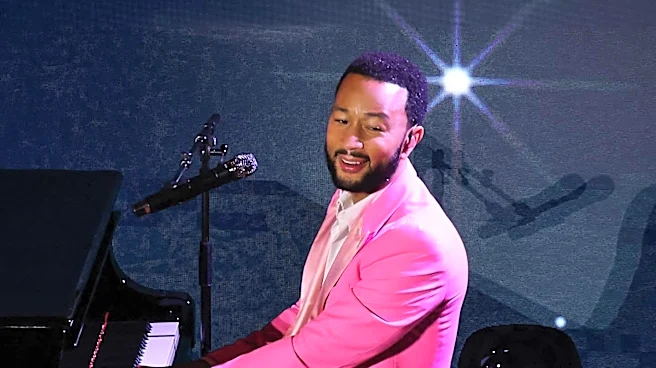
John Legend has indicated he is open to a private conversation with Kanye West, despite their creative and personal relationship cooling significantly over recent years. Legend, who was the first artist signed to West's G.O.O.D. Music label and collaborated
extensively with him early in his career, distanced himself following West's controversial antisemitic and 'MAGA' rants. While West has issued a lengthy apology in The Wall Street Journal, citing bipolar disorder and a traumatic car accident as factors in his mental decline, Legend believes this public statement is insufficient to address the harm caused. Legend clarified in an interview with Complex that West has not reached out to him directly. He emphasized that any potential reconciliation would be a private, man-to-man discussion, not a public affair. Legend stated he does not hold personal grudges against West for any slights directed at him, as he believes West did not intend to harm him personally. However, he views West's actions and comments as having been deeply harmful to society, particularly to the Black and Jewish communities.
Why It's Important?
This development highlights the ongoing impact of public figures' controversial statements on their professional and personal relationships, particularly within the entertainment industry. John Legend's stance reflects a broader societal expectation for accountability from public figures, suggesting that a simple apology may not suffice for actions perceived as deeply harmful to communities. The distinction between personal forgiveness and societal accountability is crucial here; Legend is willing to forgive personal slights but demands more comprehensive amends for the broader harm. This situation also underscores the challenges of navigating complex relationships when one party's public actions diverge sharply from shared values. For the music industry, it illustrates how artists' political and social stances can influence collaborations and public perception, potentially leading to long-term rifts even among former close allies. The emphasis on a private conversation rather than a public reunion suggests a desire to address the issues with sincerity and depth, away from media spectacle, which could set a precedent for how such high-profile disputes are handled.
What's Next?
The immediate next step hinges on Kanye West potentially reaching out to John Legend for a private conversation. Legend has made it clear that he is not actively seeking a public reunion or collaboration in the near future, but he is open to dialogue. Should a private conversation occur, its outcome could influence the future dynamics between the two artists, though Legend has indicated that making music together is not something he foresees happening soon. He mentioned that a return to collaboration might be possible in five to ten years, suggesting a need for significant time and demonstrated change from West. The broader implications involve how West continues to address the harm caused by his past statements and whether his actions will be perceived as sufficient by those he has offended. The public and other collaborators will likely observe whether West engages in more direct and personal forms of reconciliation beyond general public apologies, which could influence his standing within the entertainment industry and with various communities.
Beyond the Headlines
This situation delves into the complex interplay between personal relationships, public responsibility, and the ethical obligations of influential cultural figures. John Legend's distinction between personal forgiveness and the need for broader societal amends raises questions about the nature of accountability in the public sphere. It highlights that apologies, especially from figures with significant platforms, are often scrutinized not just for their sincerity but also for their perceived adequacy in addressing widespread harm. The narrative also touches upon the long-term consequences of controversial statements, demonstrating how they can fracture long-standing professional and personal bonds. Furthermore, it implicitly explores the role of mental health in public behavior, as West cited bipolar disorder, but Legend's response suggests that mental health challenges do not entirely absolve individuals of the responsibility to repair harm caused. This ongoing dynamic between two prominent artists serves as a case study in how public figures navigate personal growth, public perception, and the demands for justice from affected communities.