




What's Happening?
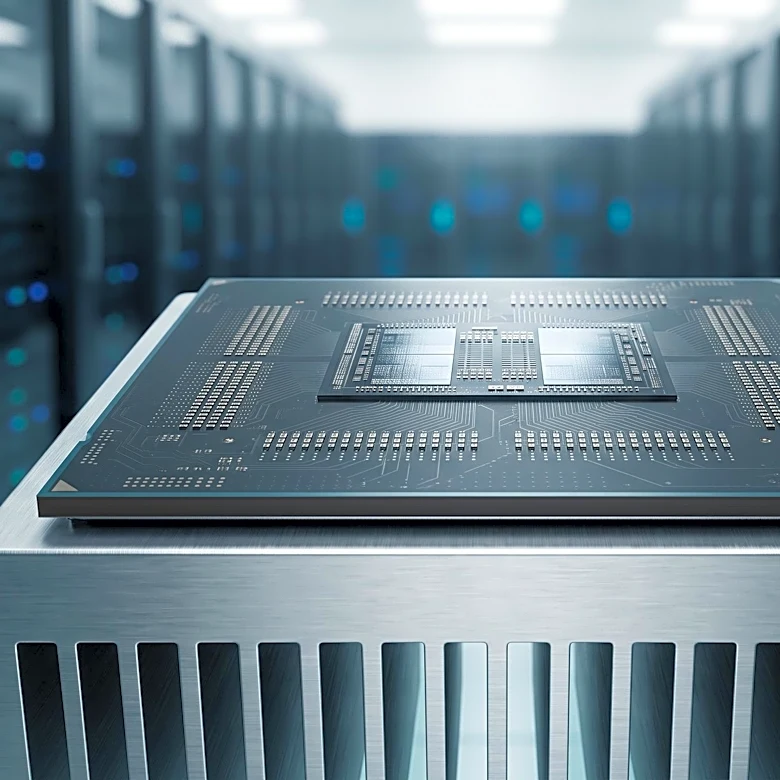
AMD CEO Lisa Su has explicitly stated that the company is now positioning itself as a "data center first company." This strategic shift was announced during a November 5 interview with Yahoo Finance, following AMD's report of record third-quarter 2026
revenue of $13.4 billion, marking a 45% year-over-year increase. The Data Center segment was a significant contributor, generating a record $8.5 billion, which represents a 97% growth compared to the same period last year. In contrast, Gaming revenue saw a decline of 40% to $773 million, primarily due to lower semi-custom and graphics revenue. Su attributed this growing opportunity to the accelerating adoption of artificial intelligence (AI) and the increasing demand for computing power across various industries. AMD anticipates its data center business to grow 50% sequentially from the third to the fourth quarter and aims to more than double this business by 2027.
Why It's Important?
This strategic pivot by AMD towards being a "data center first company" signifies a major shift in the semiconductor industry, with profound implications for U.S. technology and economic sectors. The emphasis on AI infrastructure and enterprise workloads over traditional consumer hardware reflects the surging demand for AI accelerators, server processors, and enterprise computing. This move positions AMD to capitalize on the rapidly expanding AI market, potentially leading to increased market share and revenue growth in this high-value segment. For consumers, this shift raises questions about the future allocation of engineering resources for Radeon graphics cards and the availability of affordable PC hardware, as data center demand could influence production priorities and pricing. The increased focus on data centers also suggests a durable capital expenditure momentum across semiconductor and AI compute supply chains, benefiting related industries and potentially creating new job opportunities in the U.S. tech sector.
What's Next?
AMD expects its data center business to grow 50% sequentially from the third to the fourth quarter of 2026, with an ambitious goal to more than double this business by 2027. This trajectory indicates a continued aggressive investment in AI infrastructure and data center technologies. The company is likely to increase its capacity and collaborate more closely with customers on larger deployments to meet the escalating demand for computing power. While existing consumer CPUs and GPUs will continue to receive support, future innovations may be weighted towards enterprise performance. This could lead to a long-term shift in product cadence for AMD, with potential implications for the consumer market in terms of new product releases and technological advancements. The company's ambition to become a leading technology partner for the world's largest computing customers suggests ongoing strategic partnerships and expanded market presence in the enterprise sector.
Beyond the Headlines
The declaration of AMD as a "data center first company" extends beyond immediate financial results, signaling a broader transformation within the technology landscape. This shift highlights the increasing commoditization of consumer hardware compared to the high-growth, high-margin opportunities in AI and enterprise computing. It underscores the ethical and societal implications of AI's rapid adoption, as companies like AMD become central to powering these advanced systems. The move could also influence the competitive dynamics within the semiconductor industry, potentially intensifying the race for AI dominance among major players. Furthermore, the focus on data centers and AI infrastructure could lead to significant advancements in energy efficiency and sustainable computing, given the immense power requirements of these operations. This strategic reorientation by a major U.S. tech company reflects a fundamental re-evaluation of market priorities driven by technological evolution and economic incentives.