

What's Happening?
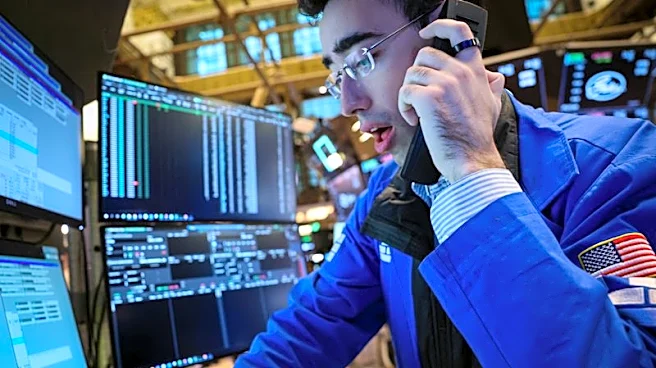
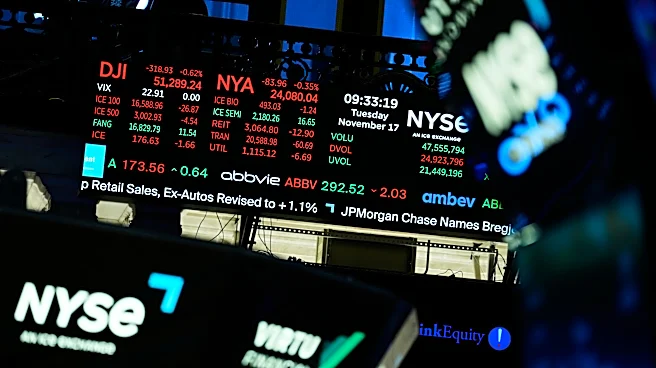
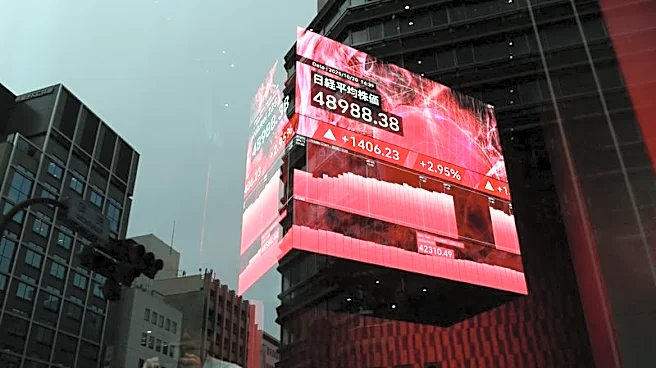
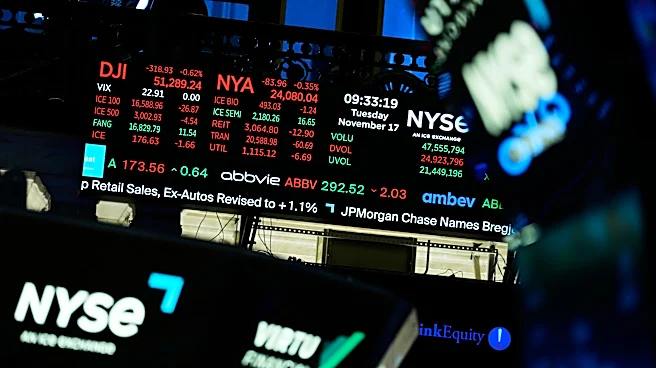
The Nasdaq 100 index has recorded its worst week since March 2020, falling 5.6% on Friday, as a widespread selloff in the artificial intelligence (AI) sector impacted the broader market. The S&P 500 also declined by 3.7%, entering a technical correction
and marking its seventh consecutive day of losses. This market downturn is attributed to growing anxieties among investors regarding the viability and sustainability of the AI trade, particularly concerning the pace and cost of AI infrastructure development. A key indicator, the gauge of chipmakers, dropped 11%, with Nvidia Corp. experiencing a 14% tumble following reports of a US regulatory investigation into its accounting practices. The resurgence in equity volatility has pushed the 'fear gauge' to its highest level since April 2025, affecting various assets including metals, Bitcoin, and emerging markets. According to Bret Kenwell at eToro, investors are facing numerous headwinds such as inflation, rising interest rates, and volatility within the market's largest sector.
Why It's Important?
The significant market correction, particularly within the AI sector, carries substantial implications for the U.S. economy and investment landscape. The AI industry has been a primary driver of market growth, and a sustained repricing or slowdown in this sector could impact technological innovation and corporate valuations. The investigation into Nvidia Corp.'s accounting practices by US regulators highlights increased scrutiny on major tech companies, potentially leading to broader regulatory challenges across the industry. The market's reaction, including the rise in the 'fear gauge' and the decline in cryptocurrencies, indicates a shift in investor sentiment from growth-oriented assets to safer havens. This could lead to a more cautious investment environment, affecting capital allocation and the funding of new AI-related projects. The potential for the Federal Reserve to reconsider interest rate hikes, as suggested by Neil Dutta at Renaissance Macro Research, could further complicate economic stability, risking either increased inflation or a deeper market decline.
What's Next?
Market participants are closely watching for signs of a 'capitulatory washout,' which Mark Hackett at Nationwide suggests could reset market positioning and sentiment, potentially leading to a more sustainable rally by year-end. However, investors are advised by Bret Kenwell at eToro to prepare for continued volatility and uncertainty in the short term, even if they view the current pullback as a long-term opportunity. The ongoing regulatory scrutiny of major tech firms, such as Nvidia, could lead to further investigations and potential policy changes impacting the technology sector. The market's pricing out of a December Federal Reserve rate hike suggests a potential shift in monetary policy expectations, which could influence future inflation trends and economic growth. Corporate activities, such as CrowdStrike Holdings Inc.'s potential acquisition of Zscaler Inc. and Apple Inc.'s development of an autonomous AI agent, indicate that innovation and strategic consolidation within the tech industry will continue despite market turbulence.
Beyond the Headlines
The current market dynamics extend beyond immediate financial losses, signaling a potential re-evaluation of the long-term growth trajectory and ethical considerations surrounding artificial intelligence. The rapid buildout of AI infrastructure has raised questions about its sustainability, resource consumption, and the potential for market bubbles. The increased regulatory oversight, exemplified by the investigation into Nvidia, underscores a growing concern among authorities about transparency and accountability within the tech giants that dominate the AI landscape. This could lead to a more regulated environment for AI development and deployment, impacting how companies innovate and report their financial performance. Furthermore, the shift in investor sentiment away from aggressive growth in AI could prompt a broader re-assessment of investment strategies, potentially favoring sectors with more stable fundamentals or those addressing immediate societal needs. The market's volatility also highlights the interconnectedness of global financial systems, as jitters in one sector can quickly ripple across various asset classes and international markets.