






What's Happening?
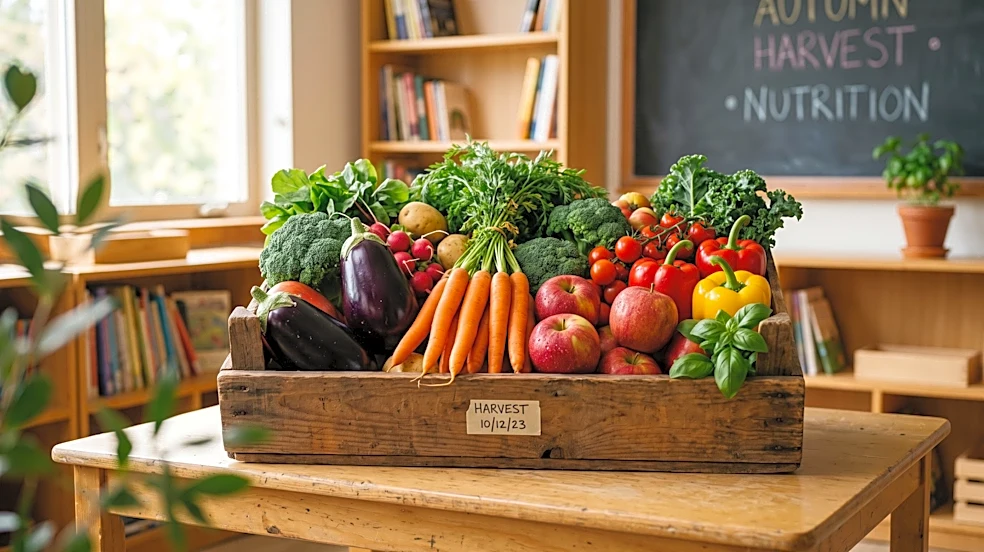
Lidl GB has announced a new initiative providing vouchers to primary school teachers across Great Britain to purchase fresh fruit and vegetables. The program will distribute £150,000 worth of digital gift cards throughout the school year, with each voucher valued
at £100. These vouchers are intended to enable teachers to buy fresh produce for hands-on tasting sessions in their classrooms. This initiative aims to promote healthy eating habits among young children and support educational activities related to nutrition. The program is part of Lidl's broader community engagement efforts.
Why It's Important?
While this initiative is based in Great Britain, it highlights a growing trend in the food retail sector to engage with communities and promote health and wellness, which has parallels in the U.S. Such programs can influence consumer perceptions of grocery chains and foster goodwill. In the U.S., similar initiatives by food retailers or non-profits often aim to address food insecurity and promote healthy eating, particularly among children. The focus on fresh produce aligns with public health goals to combat childhood obesity and improve dietary habits. For the retail industry, these programs can also serve as a form of corporate social responsibility, enhancing brand image and potentially driving customer loyalty among health-conscious consumers and families.
What's Next?
Lidl GB will proceed with distributing the £100 digital gift cards to primary school teachers throughout the academic year. Teachers will then use these vouchers to purchase fresh fruit and vegetables for their classrooms, facilitating educational tasting sessions. The success of this program may be evaluated based on teacher participation, the quantity of produce purchased, and the perceived impact on children's dietary awareness. Other retailers, both in the UK and potentially in the U.S., might observe the outcomes of this initiative and consider implementing similar community-focused programs to support health education and engage with local schools. The program's long-term impact could include increased consumption of fresh produce among participating students.
Beyond the Headlines
This initiative by Lidl GB delves into the broader societal role that corporations can play in public health and education. By directly supporting schools, Lidl is not only promoting its brand but also contributing to the development of healthier eating habits from a young age. This approach can be seen as a proactive measure to address public health challenges, such as diet-related illnesses, by fostering a positive relationship with fresh foods early in life. The program also underscores the potential for partnerships between the private sector and educational institutions to achieve shared social goals. In the U.S., similar models could be adopted to bridge gaps in nutrition education and access to fresh produce, particularly in underserved communities, demonstrating how retail strategies can extend beyond commerce to community welfare.