




What's Happening?
The global agricultural robots market is experiencing rapid growth, with projections indicating it will reach USD 56.26 billion by 2030, up from an estimated USD 17.73 billion in 2025, demonstrating a compound annual growth rate (CAGR) of 26.0%. This
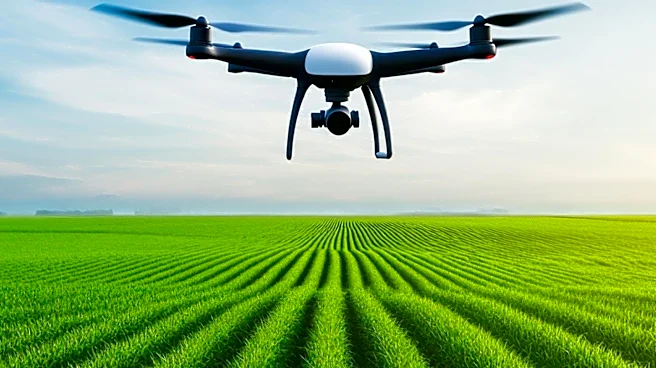
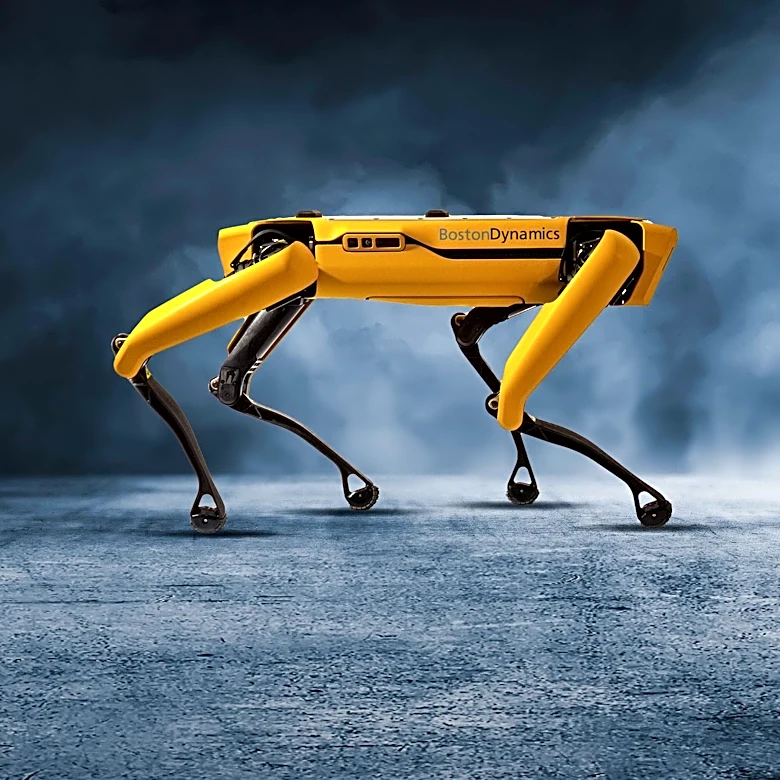
expansion is driven by the increasing adoption of automation and precision farming technologies in modern agriculture. Key factors contributing to this growth include labor shortages, rising demand for higher crop yields, the widespread use of artificial intelligence (AI) and machine learning, the integration of Internet of Things (IoT) systems, and a growing focus on sustainable farming practices. Agricultural robots are being developed for a wide range of activities, including planting, weeding, crop monitoring, harvesting, spraying, and livestock management, with outdoor farming applications expected to hold a significant market share.
Why It's Important?
The surge in agricultural robotics is critical for the future of U.S. agriculture, addressing pressing challenges such as labor scarcity and the need for increased efficiency and sustainability. By automating tasks, these robots can help farmers optimize resource utilization, reduce operational costs, and improve crop yields and quality. This technological shift is particularly important for large-scale farming operations, where autonomous systems can manage extensive areas more efficiently. The integration of AI, machine learning, and IoT enables robots to collect and analyze field data, leading to more automated decision-making and precision agriculture. This not only enhances productivity but also supports sustainable farming practices by minimizing waste and environmental impact. For the U.S. economy, this market growth signifies a significant investment in agri-tech startups and a transformation of the agricultural industry, potentially leading to new job opportunities in technology development and maintenance.
What's Next?
The agricultural robotics industry is moving towards increasingly autonomous and intelligent farming systems. Future developments will likely focus on enhancing the capabilities of these robots through advanced computer vision and AI, allowing them to perform more complex tasks with greater precision. The continued integration of connected equipment and data-driven technologies will make agricultural robots an even more integral component of modern farming. Investments from agricultural equipment manufacturers, robotics companies, technology providers, and governments are expected to drive further innovation and expand the applications of these technologies across various farm sizes and environments. The market outlook remains closely tied to the ongoing adoption of precision agriculture, labor-saving technologies, and sustainable production practices, with a strong emphasis on data-driven insights for optimized farm management.
Beyond the Headlines
The widespread adoption of agricultural robots carries profound implications beyond immediate economic benefits. It raises questions about the future of agricultural labor, potentially displacing some manual jobs while creating new demands for skilled technicians and data analysts. Ethical considerations regarding the use of AI in decision-making processes, data ownership, and the potential for technological divides among farmers will become increasingly prominent. The shift towards highly automated farms could also alter the social fabric of rural communities. Furthermore, the reliance on advanced technology necessitates robust cybersecurity measures to protect sensitive agricultural data and prevent disruptions. This technological revolution in agriculture represents a fundamental redefinition of farming, moving it from a labor-intensive industry to a high-tech, data-driven enterprise, with long-term impacts on food production, environmental sustainability, and rural economies.