




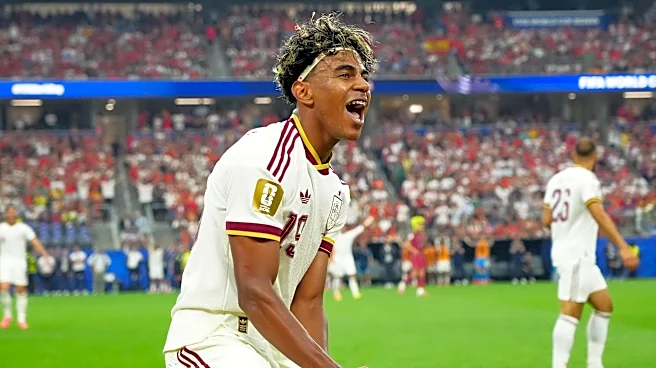
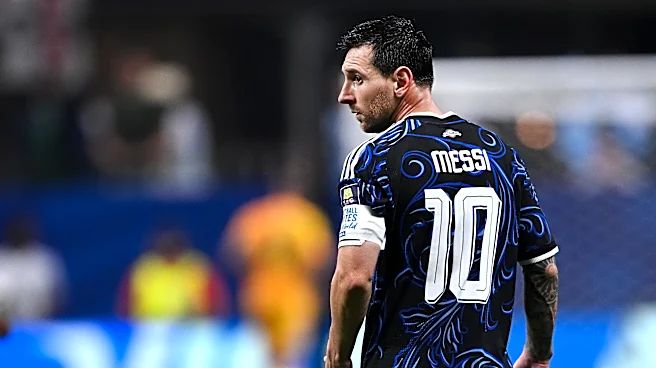


What's Happening?
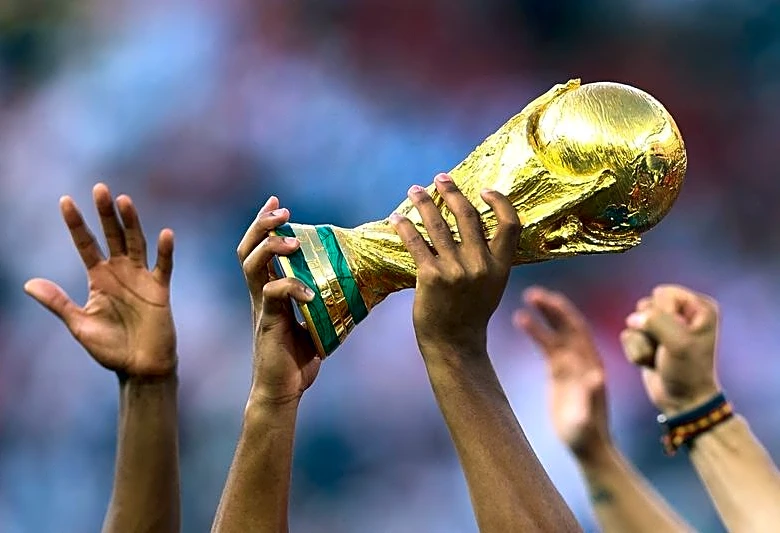
The 2026 FIFA World Cup Final is set to feature a historic matchup between Spain and Argentina, marking a significant event in international soccer. The final, scheduled for Sunday, will be held at the New York New Jersey Stadium and broadcast on FOX.
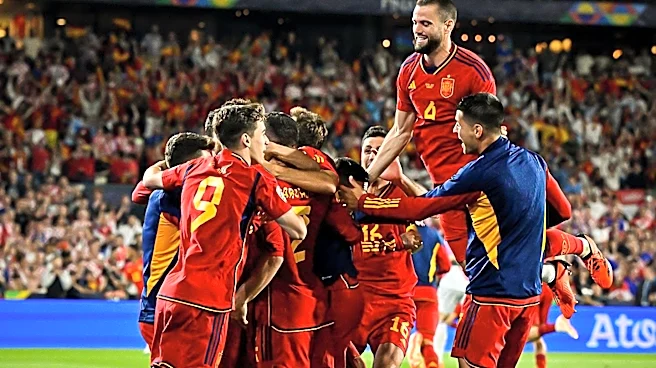
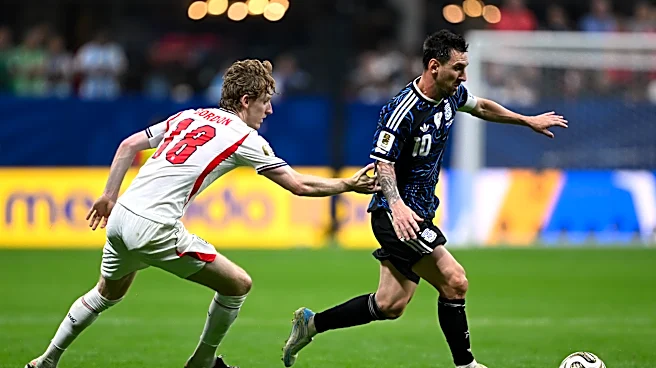
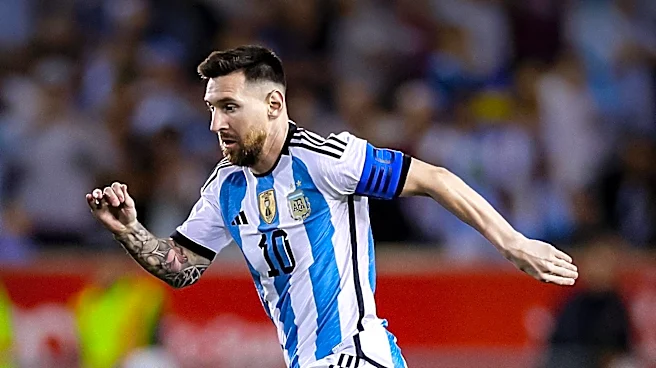
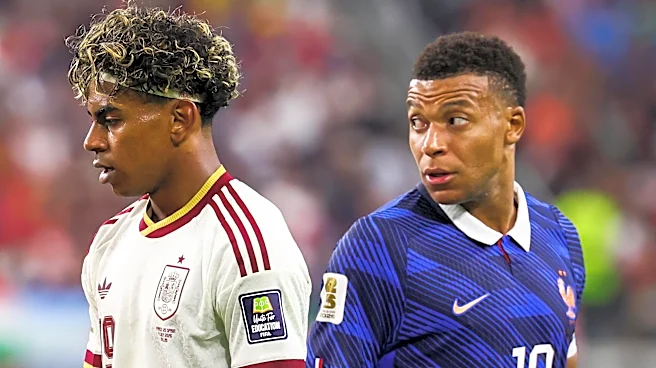
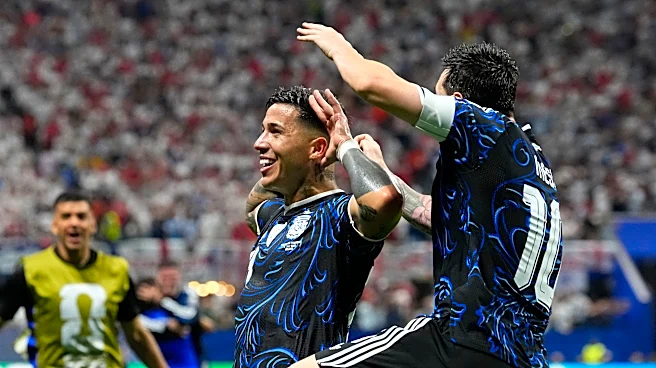
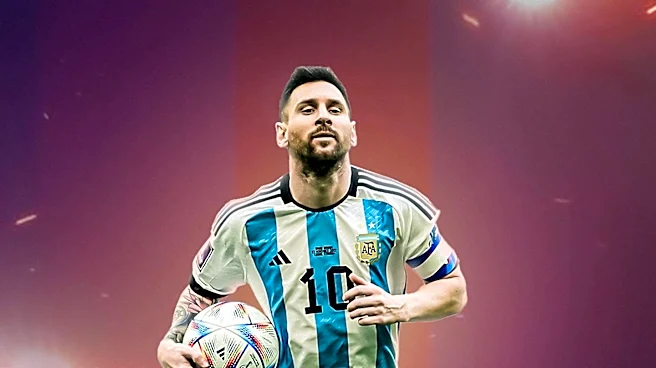
Spain, aiming for its second World Cup title after their 2010 victory, enters the final following a commanding 2-0 win over France in the semifinals. Argentina, on the other hand, seeks to become the first team since Brazil in 1958 and 1962 to win consecutive World Cup titles. The match is highlighted by the first international meeting between soccer legend Lionel Messi and rising star Lamine Yamal. Messi, who has scored eight goals in the tournament, is expected to lead Argentina in what could be his final World Cup appearance. Spain's defense, led by breakout star Pau Cubarsí, will be crucial in countering Argentina's attack.
Why It's Important?
This World Cup final is significant not only for its competitive stakes but also for its cultural and historical implications. A victory for Spain would solidify their status as a dominant force in international soccer, while an Argentine win would further cement Lionel Messi's legacy as one of the greatest players in the sport's history. The match also represents a generational shift, with young talents like Lamine Yamal poised to take the spotlight. Economically, the event is expected to boost tourism and viewership, benefiting the host cities and media networks involved. The outcome could influence future sponsorships and investments in soccer, particularly in the U.S., where the sport's popularity continues to grow.
What's Next?
Following the final, attention will likely turn to the future of key players like Lionel Messi, who may retire from international play. The performance of young stars such as Lamine Yamal could impact their careers and market value significantly. Additionally, the results may influence coaching strategies and team compositions for upcoming international tournaments. The event's success could also lead to increased investment in soccer infrastructure and youth development programs in the U.S., as the country prepares to co-host the 2026 World Cup.