






What's Happening?
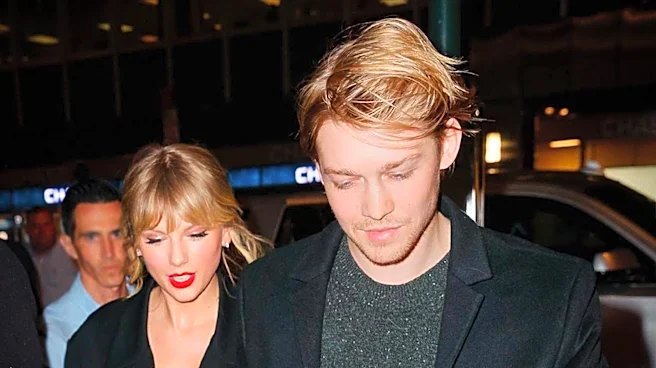
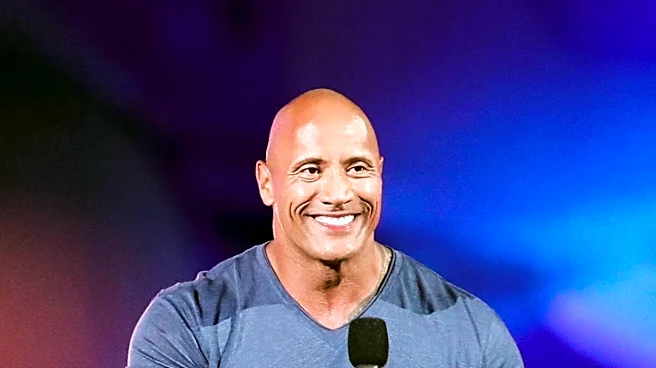
Viral images circulating on social media depict actor Dwayne 'The Rock' Johnson looking unwell and extremely thin, accompanied by claims of a divorce from his wife, Lauren Hashian, and a DNA test dispute concerning their daughter. These posts suggest
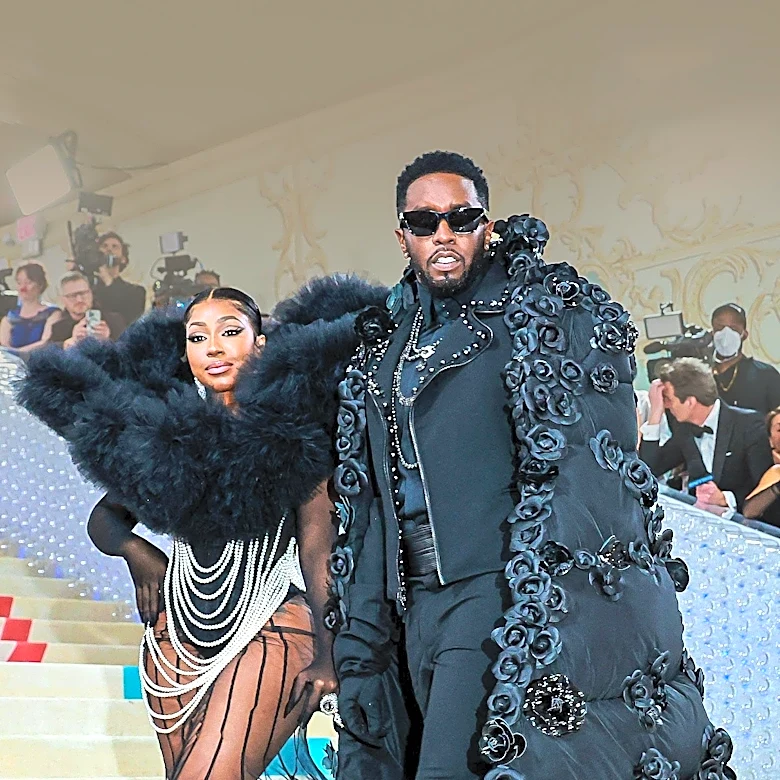
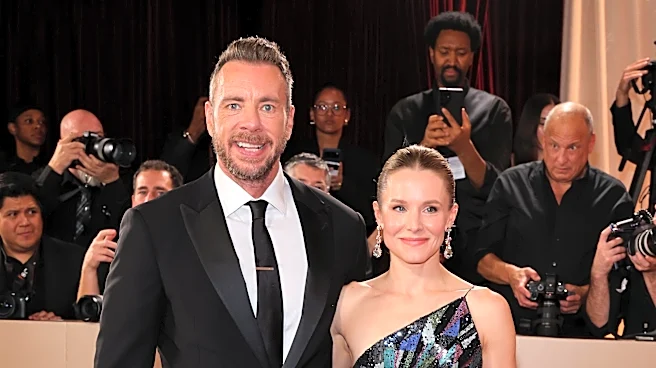
Johnson has been visibly affected by these alleged personal issues. However, these claims have been widely debunked. Community Notes on social media platforms have flagged the posts as false, indicating that Johnson and Hashian remain married. The images themselves are either AI-generated, heavily edited, or taken from his film roles, where physical transformations are common. The couple has continued to make public appearances together, including the Golden Globes in January 2026 and their Met Gala debut in May 2026, contradicting the divorce rumors. Johnson has also publicly praised Hashian for her professional work. They share two daughters, Jasmine and Tiana, and Johnson has an older daughter, Simone, from a previous marriage.
Why It's Important?
The rapid spread of these fabricated images and false narratives highlights the pervasive issue of misinformation and disinformation on social media platforms. This incident underscores how easily AI-generated or manipulated content can be used to create and disseminate celebrity gossip, potentially damaging reputations and causing public confusion. For public figures like Dwayne Johnson, such false claims can lead to unwarranted concern among fans and necessitate public clarification, diverting attention from their professional endeavors. The reliance on Community Notes to fact-check these viral posts also emphasizes the growing role of platform-based moderation and user-driven verification in combating fake news. This situation reflects a broader challenge in the digital age, where the line between authentic and fabricated content is increasingly blurred, impacting public perception and trust in online information.
What's Next?
In the immediate future, it is likely that similar fabricated content targeting celebrities will continue to emerge, given the ease of creating AI-generated images and the viral nature of social media. Platforms will likely continue to rely on community-driven fact-checking mechanisms, such as Community Notes, to address such misinformation. For Dwayne Johnson and other public figures, this incident may prompt increased vigilance regarding their online presence and potentially lead to more proactive communication strategies to counter false narratives. The broader public may become more discerning about the content they consume online, especially as awareness of AI manipulation grows. Technology companies may also face continued pressure to develop more robust tools and policies to detect and remove AI-generated disinformation, particularly when it involves personal attacks or false claims about individuals.
Beyond the Headlines
This incident delves into deeper implications concerning the ethics of AI technology and its potential for misuse in generating deceptive content. The ability to create convincing but entirely false images and narratives raises significant questions about digital authenticity and the erosion of trust in visual media. It also highlights the psychological impact of such misinformation, as it can create a false reality for consumers and contribute to a culture of skepticism. Legally, the proliferation of AI-generated defamatory content could lead to new challenges in libel and privacy laws, as current frameworks may not adequately address the unique nature of AI-created falsehoods. Culturally, this trend could further desensitize audiences to the truth, making it harder to distinguish between fact and fiction, and potentially fostering a more cynical view of public figures and media in general. The incident serves as a stark reminder of the ongoing need for media literacy and critical thinking in an increasingly AI-driven information landscape.