




What's Happening?
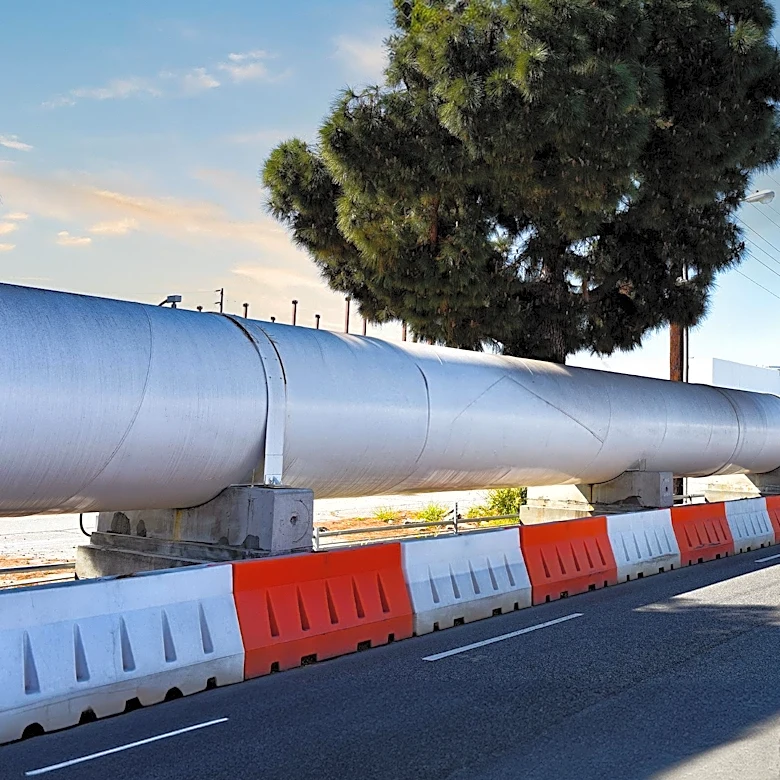
Nicor Gas has reached a settlement with the Illinois Attorney General Kwame Raoul’s office to significantly reduce its proposed rate increase for the upcoming year. The initial request, filed in January, sought a $221 million increase to fund infrastructure
projects, including replacing aging pipelines and equipment. This would have resulted in an average residential customer delivery charge increase of approximately $6 per month starting in 2027. Under the new agreement, the proposed rate increase has been cut by nearly $140 million, or 63%, bringing it down to about $82 million. If approved by the Illinois Commerce Commission (ICC), this revised proposal would translate to an average residential bill increase of $2.21 per month next year. The Attorney General's office had opposed the original increase, arguing that Nicor had overstated its capital spending forecasts and inflated an accounting mechanism to boost profits.
Why It's Important?
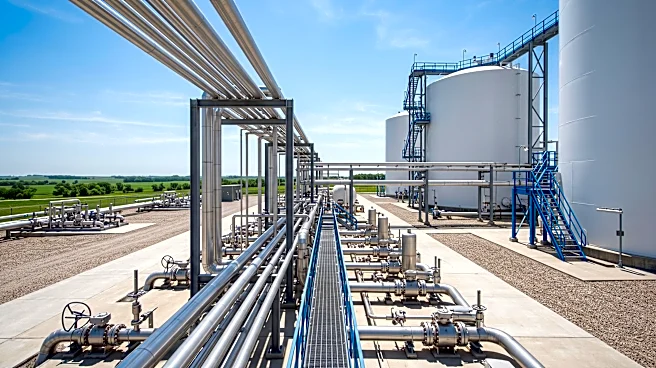
This settlement is important for Illinois consumers, as it significantly lessens the financial burden of utility costs. The reduction from a potential $6 monthly increase to $2.21 provides substantial relief to households already grappling with various economic pressures. For Nicor Gas, the agreement allows the company to continue funding essential infrastructure projects, such as replacing 45 miles of distribution pipeline and repairing over 400 miles of transmission pipeline, which are crucial for maintaining safe and reliable natural gas service. The settlement also includes a reduction in the profit Nicor is allowed to make on its infrastructure investments, addressing concerns raised by the Attorney General's office about inflated accounting practices. This outcome reflects a balance between the utility's operational needs and the public's interest in affordable services, demonstrating the impact of regulatory oversight and consumer advocacy.
What's Next?
The revised $82 million rate increase proposal is now awaiting approval from the Illinois Commerce Commission (ICC), which is expected to issue a ruling by November. If approved, the new rates would take effect in 2027. As part of the settlement, Nicor has also agreed to protect union jobs through 2027. However, this supplemental agreement has drawn criticism from groups like Illinois PIRG, whose director, Abe Scarr, expressed concerns that it might reinforce a narrative that utilities will cut jobs if their proposed rate increases are not approved, potentially leading to excessive spending. The ICC's decision will be closely watched, as it will set a precedent for how future utility rate increase requests are handled in Illinois, balancing infrastructure needs with consumer protection and labor considerations.
Beyond the Headlines
This settlement highlights the ongoing tension between utility companies' need for capital investment to maintain and upgrade infrastructure and the public's demand for affordable services. The Attorney General's intervention and the subsequent reduction in the proposed rate increase underscore the critical role of regulatory bodies and consumer advocates in safeguarding public interests. The debate surrounding the supplemental agreement to protect union jobs also reveals a deeper layer of complexity, where labor considerations intersect with economic regulation. This situation could influence future negotiations between utilities, state regulators, and labor unions, potentially shaping how infrastructure projects are financed and how job security is addressed within the utility sector. It also brings to light the broader challenge of balancing corporate profitability with social responsibility and consumer welfare in essential services.