




What's Happening?
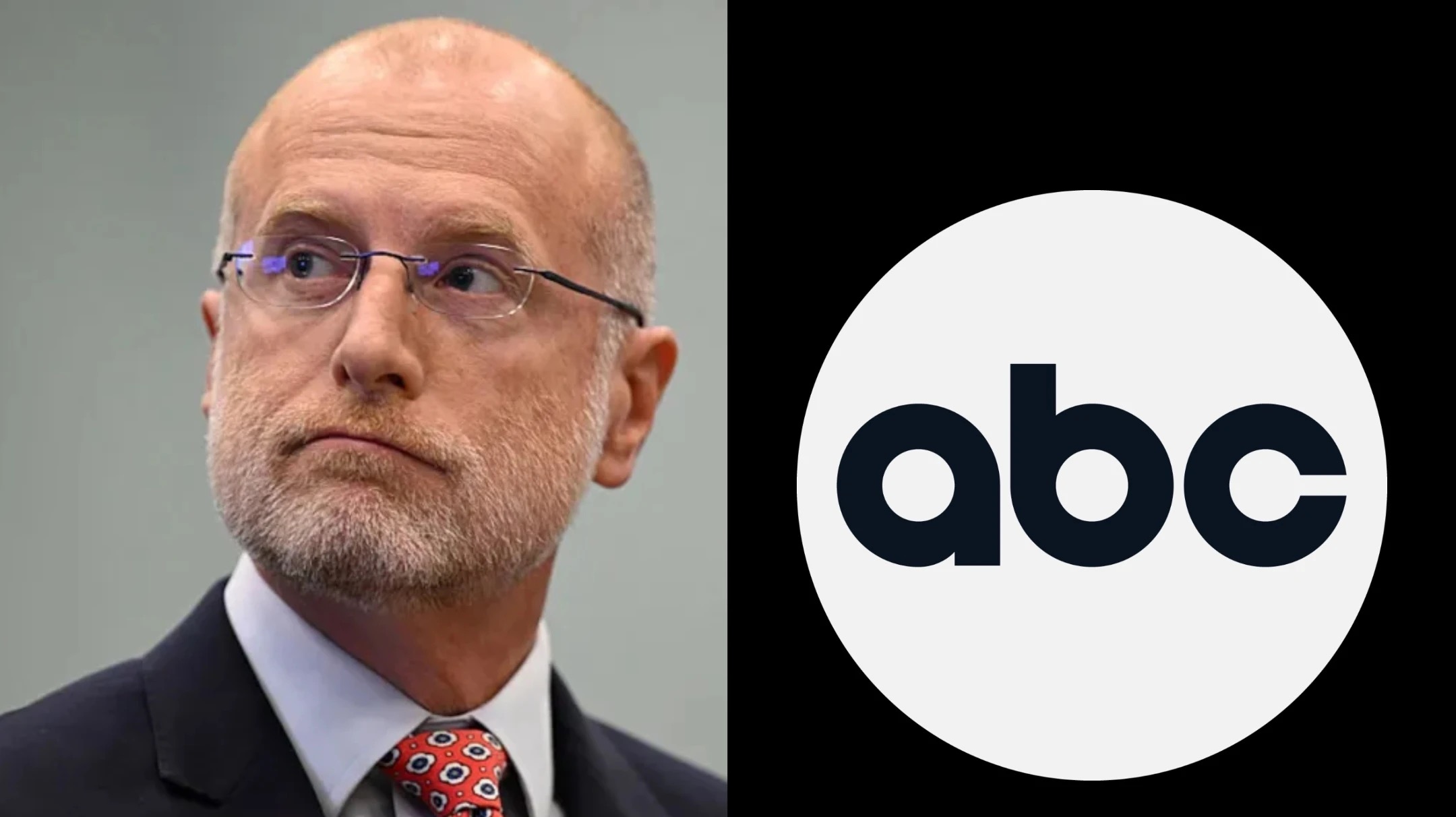
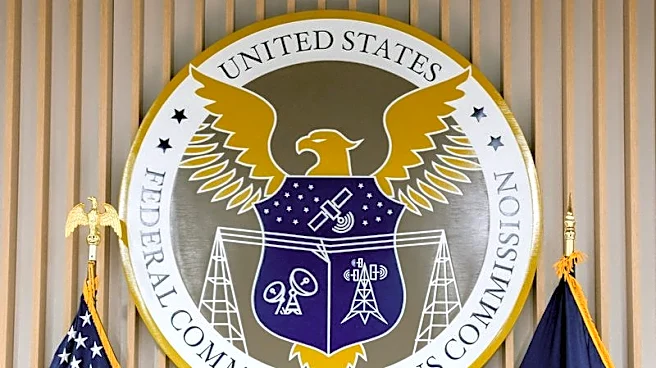
A federal judge has issued a temporary halt to the Federal Communications Commission (FCC) order that required eight ABC-owned television stations, which are part of Disney, to apply for early license renewals. This judicial intervention comes amidst
an ongoing legal dispute centered on First Amendment rights. The FCC's directive for early renewals has been challenged, leading to a legal battle that questions the commission's authority and the implications for broadcasters. The judge's decision effectively provides a temporary reprieve for the Disney-owned ABC stations, allowing them to avoid the early renewal process while the broader legal arguments are considered. This pause indicates that the court sees merit in the broadcasters' challenge, at least enough to warrant a temporary injunction against the FCC's order.
Why It's Important?
This judicial pause is significant for several reasons. For Disney and its ABC stations, it temporarily alleviates the administrative burden and potential legal costs associated with an early license renewal process. More broadly, it signals a potential check on the FCC's regulatory power, particularly concerning broadcast licensing and its intersection with First Amendment protections. The outcome of this legal battle could establish important precedents for how the FCC regulates television stations and the extent to which broadcasters can challenge such directives on constitutional grounds. If the court ultimately sides with the broadcasters, it could limit the FCC's ability to compel early license reviews in the future, potentially impacting regulatory oversight across the industry. This case highlights the ongoing tension between government regulation and the free speech rights of media organizations, with implications for media ownership and operational autonomy.
What's Next?
The temporary pause means that the legal proceedings will continue, with both the FCC and the Disney-owned ABC stations presenting their arguments to the court. The next steps will involve further legal briefs, potentially oral arguments, and ultimately a more definitive ruling from the federal judge on the merits of the case. Depending on that ruling, either party may choose to appeal to a higher court, prolonging the legal battle. The outcome could lead to a permanent injunction against the FCC's order, a revised FCC policy, or a ruling that upholds the FCC's authority. Broadcasters across the U.S. will be closely watching this case, as the final decision could influence their own licensing processes and their strategies for engaging with federal regulators. The FCC, in turn, may need to re-evaluate its approach to license renewals if the court's decision limits its current powers.
Beyond the Headlines
Beyond the immediate legal and regulatory implications, this case touches upon fundamental questions about media freedom and government oversight in the digital age. The First Amendment challenge underscores the critical role that broadcasters play in the public discourse and the importance of protecting their editorial independence from undue government influence. The dispute also highlights the evolving landscape of media regulation, where traditional broadcast rules are increasingly scrutinized in light of new technologies and changing media consumption habits. The outcome could contribute to a broader re-evaluation of the FCC's mandate and its methods of ensuring public interest in broadcasting, especially as media ownership becomes more consolidated. This legal battle is not just about license renewals; it's about defining the boundaries of governmental power over the media and safeguarding the principles of free press in a democratic society.